


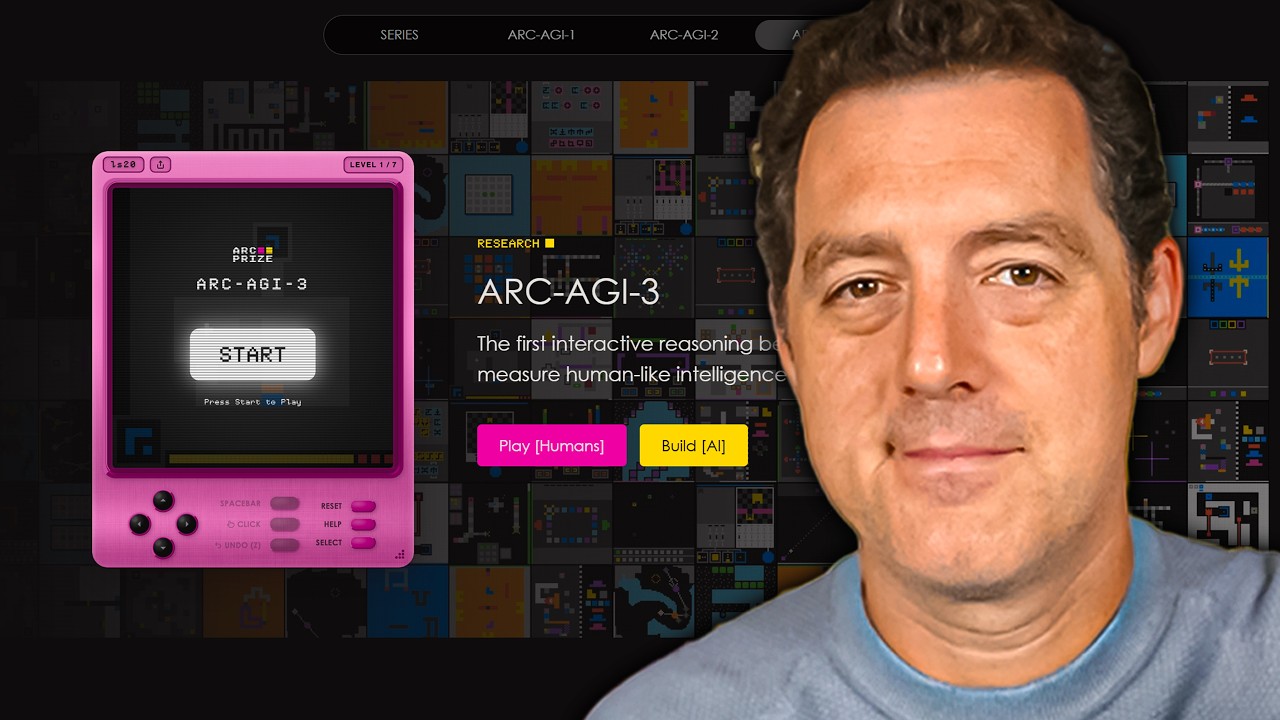
François Chollet, a distinguished AI researcher at Google and the creator of the deep learning library Keras, has been at the forefront of developing benchmarks to measure artificial general intelligence (AGI). His work has culminated in the Abstraction and Reasoning Corpus (ARC), a series of increasingly complex tasks designed to test AI systems' ability to generalize and reason from minimal information. In a recent discussion, Chollet highlighted the latest iteration, ARC-AGI-3, emphasizing its unique approach to evaluating AI's reasoning capabilities and the significant gap that still exists between current AI and human-level intelligence.
Companies working on this
StartupHub profiles of the companies this article names, with funding and a one-liner from our database.

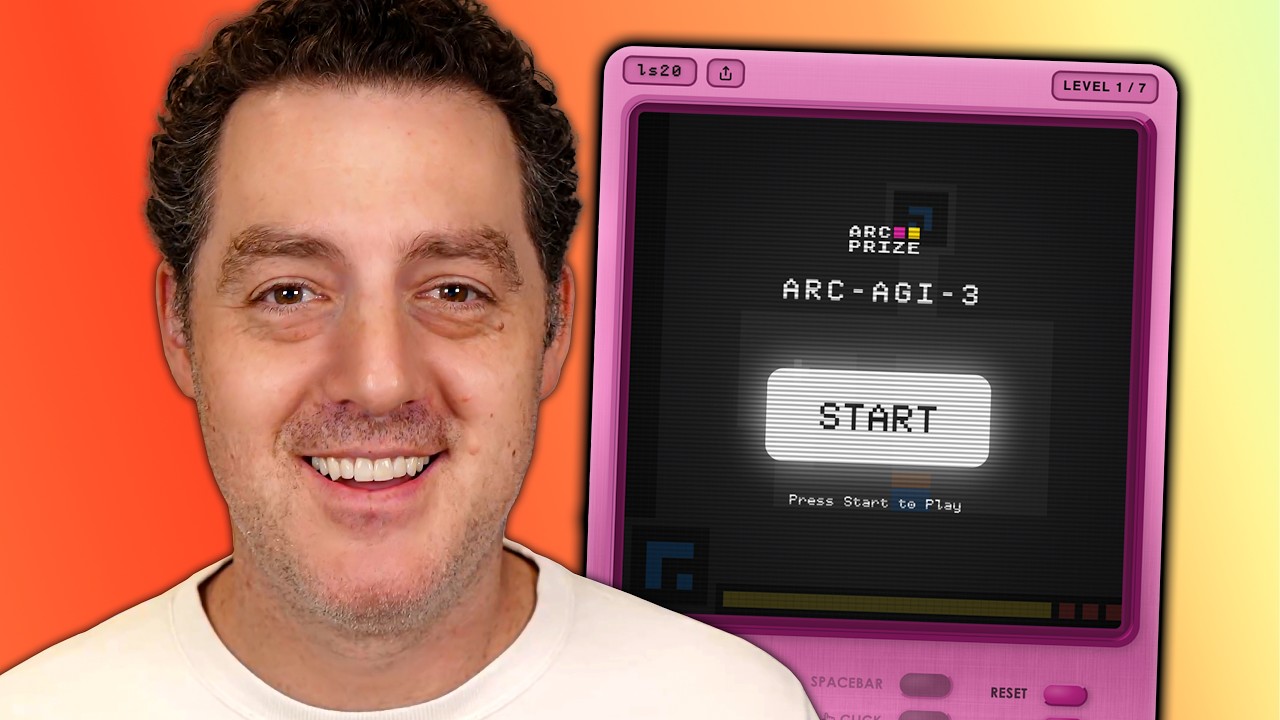
Who is François Chollet?
François Chollet is a pivotal figure in the AI research community. His contributions to the field are substantial, most notably as the creator of Keras, a widely-used open-source deep learning library that has democratized access to powerful AI tools. Chollet's research often centers on understanding and replicating human intelligence, particularly in the realm of reasoning and generalization. His work on the ARC benchmark series is a testament to this focus, aiming to create tasks that are intuitive for humans but challenging for current AI systems, thereby providing a more accurate measure of AGI progress.