


ChatGPT Streamlines Legal Case Management

A legal professional uses ChatGPT to create a system for clearing her case backlog, showcasing AI's potential to streamline legal work.

3 min read
A woman in a sari sits at a desk, looking at a laptop with the ChatGPT logo visible.
Image credit: StartupHub.ai· OpenAI Youtube

The demanding world of law, often characterized by towering stacks of case files and an unending stream of paperwork, is getting a powerful new ally. A recent video showcases how artificial intelligence, specifically ChatGPT, can transform the administrative chaos into an organized, efficient system. The visual narrative centers on a legal professional, Ritu, navigating the complexities of her workload, a relatable struggle for many in the legal field. The demonstration offers a compelling glimpse into how AI can alleviate the pressure of case management, promising a future where technology empowers rather than overwhelms.

Ritu's Legal Labyrinth

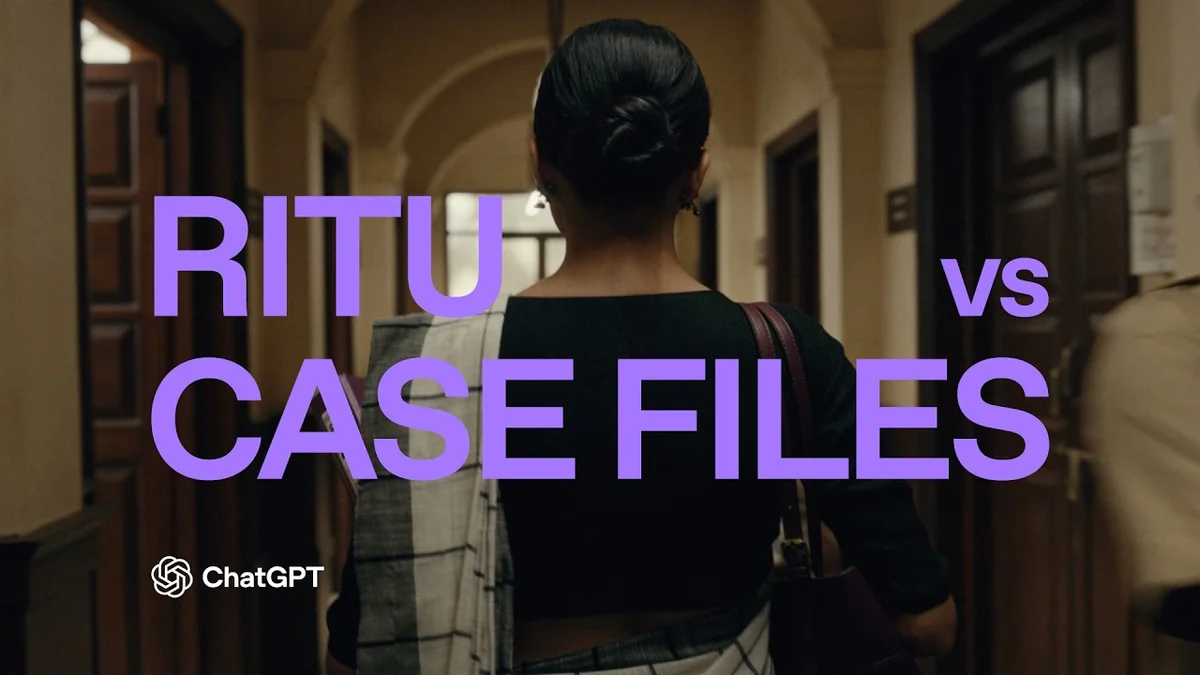
The video opens by establishing the overwhelming nature of Ritu's work environment. She is depicted amidst a sea of folders and documents, a visual metaphor for the sheer volume of information and tasks legal professionals contend with daily. The sheer physical presence of these case files underscores the traditional, paper-intensive methods that have long defined legal practice. This setting immediately draws viewers into the problem: how does one effectively manage and make sense of such a vast amount of critical data under pressure?
Related startups

The full discussion can be found on OpenAI Youtube's YouTube channel.

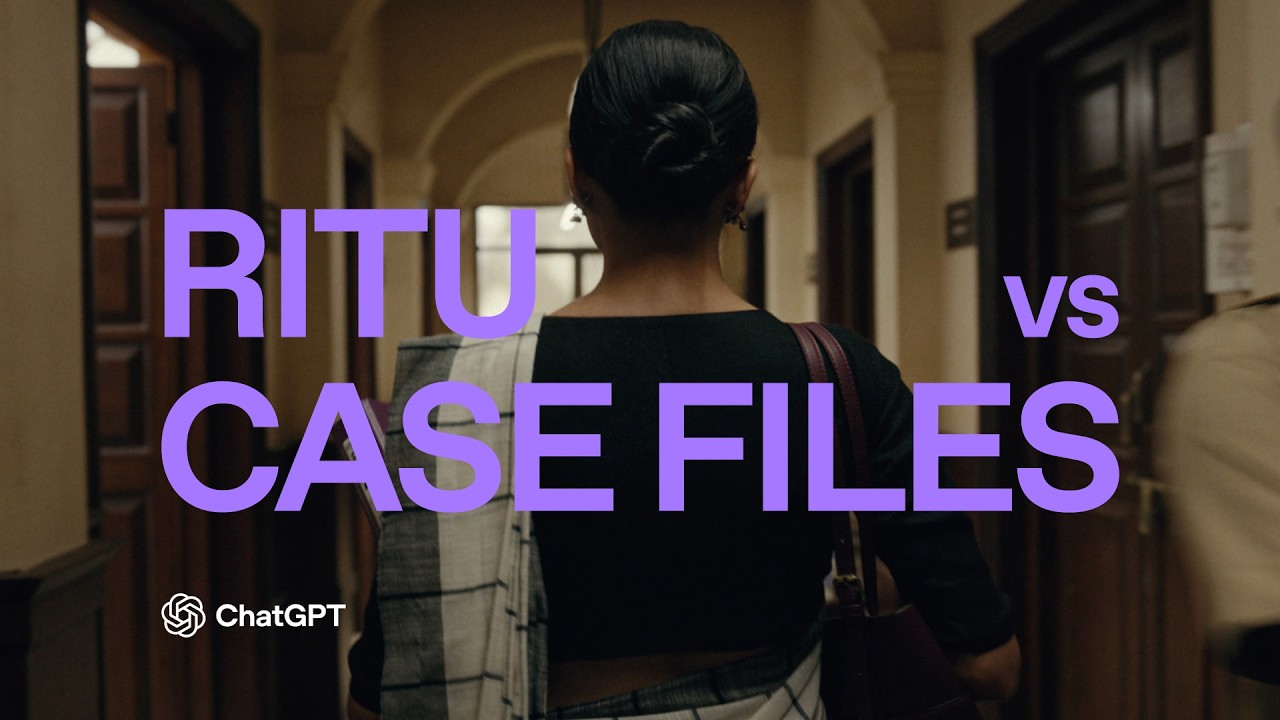
Ritu vs Case Files | With ChatGPT - OpenAI Youtube
Ritu vs Case Files | With ChatGPT — from OpenAI Youtube

The AI Intervention

The core of the video is the introduction of ChatGPT as a solution. Ritu, faced with this daunting backlog, turns to the AI interface. She articulates a clear need: "Create a system to clear my case backlog." This simple prompt, however, unlocks a sophisticated AI capability. ChatGPT responds by demonstrating its ability to organize, categorize, and potentially even summarize the information within these cases. The AI's intervention is presented not as a replacement for human expertise, but as a powerful tool to augment it, freeing up valuable time and cognitive resources for more critical legal analysis and strategy.

Transforming Case Management

The demonstration illustrates how ChatGPT can ingest and process information from case files. While the specifics of the AI's internal workings are not detailed, the outcome is clear: a more manageable and accessible system. This suggests that AI can identify patterns, extract key data points, and structure information in a way that significantly reduces the manual effort previously required. For legal professionals, this means less time spent sifting through documents and more time dedicated to client interaction, legal research, and courtroom preparation. The visual of Ritu's desk transforming from cluttered to organized, with the AI's assistance, is a powerful testament to its potential impact.

Beyond the Law Office

While the video focuses on the legal profession, the implications extend far beyond. The problem of information overload and administrative burden is a universal challenge across many industries. From researchers managing vast datasets to project managers coordinating complex workflows, the ability of AI like ChatGPT to create organizational systems and streamline processes holds immense promise. This demonstration serves as a potent reminder of AI's growing capacity to tackle real-world problems, making professions more efficient and professionals more effective. The ease with which Ritu interacts with the AI, posing a direct problem and receiving a functional solution, highlights the user-friendly nature of modern AI interfaces.

© 2026 StartupHub.ai. All rights reserved. Do not enter, scrape, copy, reproduce, or republish this article in whole or in part. Use as input to AI training, fine-tuning, retrieval-augmented generation, or any machine-learning system is prohibited without written license. Substantially-similar derivative works will be pursued to the fullest extent of applicable copyright, database, and computer-misuse laws. See our terms.