

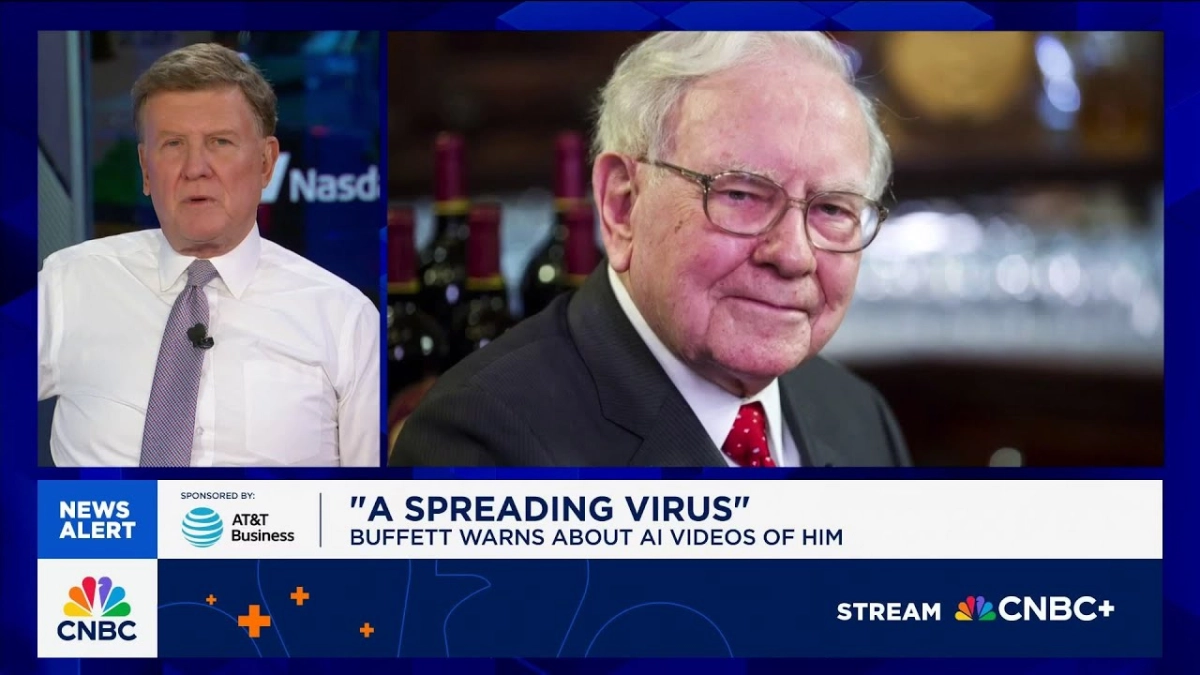
Warren Buffett, the venerable Oracle of Omaha, has issued a stark warning that cuts to the core of digital authenticity and trust, labeling fraudulent AI-generated videos of himself a "spreading virus." This alarming pronouncement, reported by CNBC's Joe Kernen, highlights an increasingly urgent challenge for the startup ecosystem, venture capitalists, and AI professionals: the weaponization of generative AI to create believable, yet utterly false, representations of public figures for deceptive purposes. It’s not merely a nuisance; it represents a fundamental threat to the very fabric of information integrity, demanding immediate and strategic attention from those shaping our technological future.
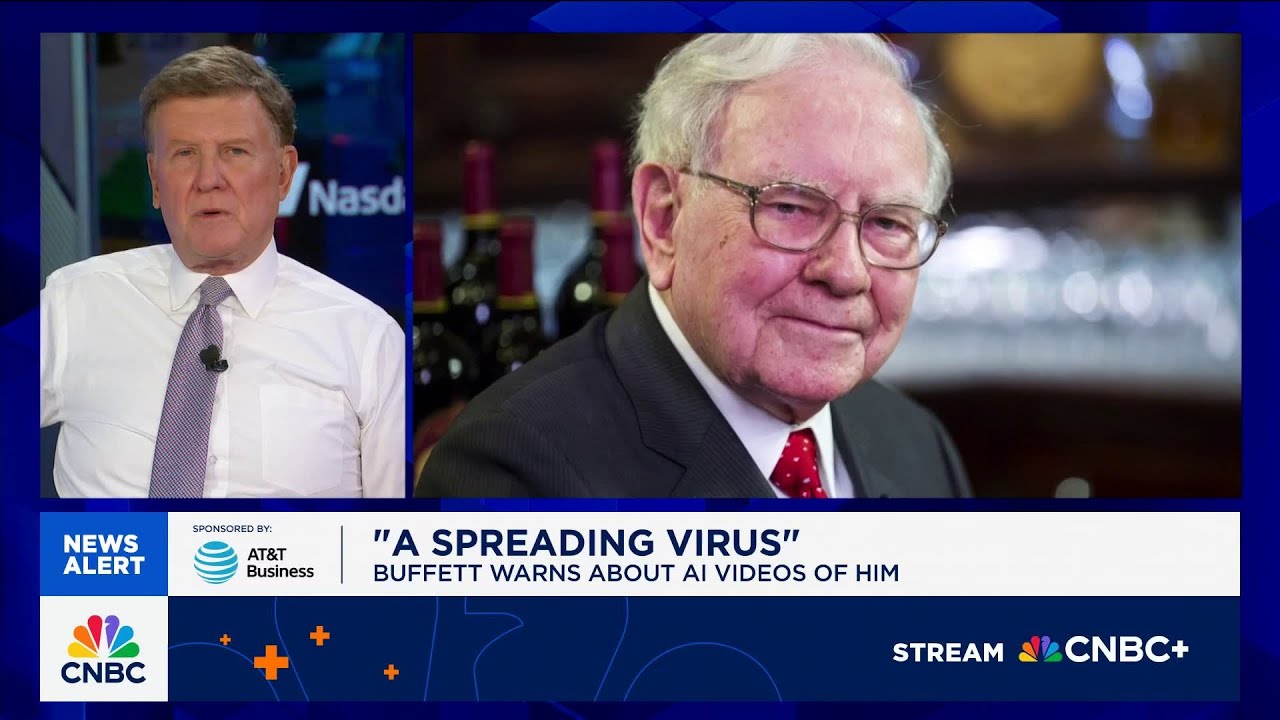
Kernen, speaking from the NASDAQ studio, contextualized Buffett’s concern by noting the legendary investor's discovery of videos on Google that "purport to be him but are video images or AI-created images impersonating him." This revelation came via a press release from Berkshire Hathaway, Buffett’s conglomerate, underscoring the severity with which the company views these deepfakes. The message from Buffett is clear: "Don't believe everything that you see." This statement, from a figure whose words move markets and shape investment strategies, carries immense weight, signaling a new frontier of digital deception.
The Berkshire Hathaway press release directly articulated Buffett's apprehension: "Mr. Buffett is concerned that these types of fraudulent videos are becoming a spreading virus. Individuals who are less familiar with Mr. Buffett may believe these videos are real and be misled by the contents of these videos." This insight is crucial for founders and VCs. It emphasizes the vulnerability of the less informed, who may lack the media literacy or contextual understanding to differentiate between authentic communication and sophisticated AI fabrication. The potential for widespread financial manipulation, brand damage, and erosion of public trust is profound.
Indeed, the discussion between Kernen and fellow CNBC anchor Andrew Ross Sorkin quickly pivoted to the nefarious applications of such technology. They speculated on the primary motivation behind creating these deepfakes: to manipulate markets. As Kernen put it, "The way you'd want to use them is to pump a stock or to do something, I guess, try to manipulate something." Sorkin concurred, adding the example of trying to "sell gold or or something like that." This speaks directly to the concerns of defense/AI analysts and tech insiders who understand the dual-use nature of AI, where groundbreaking innovation can quickly be repurposed for malicious ends. The ease with which an AI-generated likeness can disseminate false information, potentially triggering market shifts or fraudulent investments, presents an unprecedented regulatory and ethical challenge.
This isn't an isolated incident for Buffett. The Berkshire Hathaway release noted that this is not the first time he has flagged such content, indicating a persistent and escalating problem. Buffett's established communication channels are formal and deliberate: annual letters and SEC filings, which often reveal his actions months after they occur. He is not, as Kernen humorously noted about himself, posting real-time investment advice on social media with a "weird like eight in my handle instead of just @JoeSork." This distinction is paramount: authentic communication from influential figures adheres to established, verifiable protocols.