

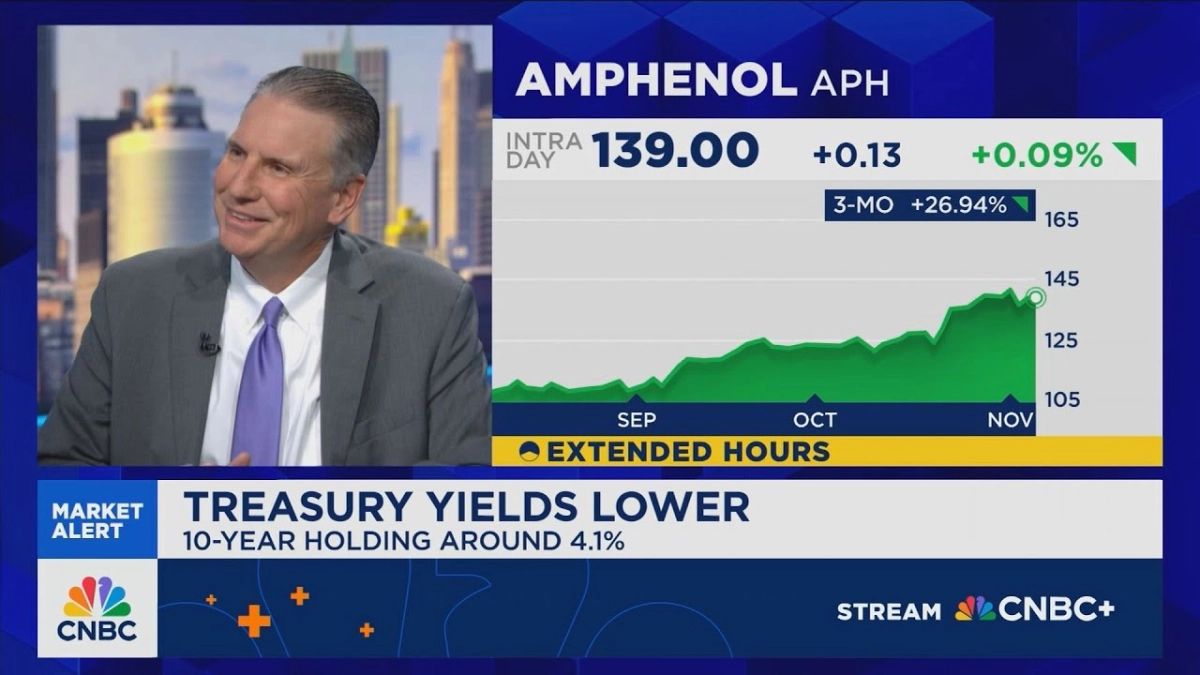
In a recent CNBC interview, Kevin Mahn, President and CIO at Hennion & Walsh Asset Management, articulated a compelling shift in investor priorities, moving away from conventional macroeconomic indicators to the burgeoning landscape of artificial intelligence. Mahn highlighted that market participants are currently fixated on "big tech earnings, the AI infrastructure spend, and exactly where we stand within this overall bull market rally," rather than the Federal Reserve’s impending decisions or tariff disputes. This reframing suggests a deeper, more structural conviction in the technological revolution underway, overshadowing transient policy concerns.
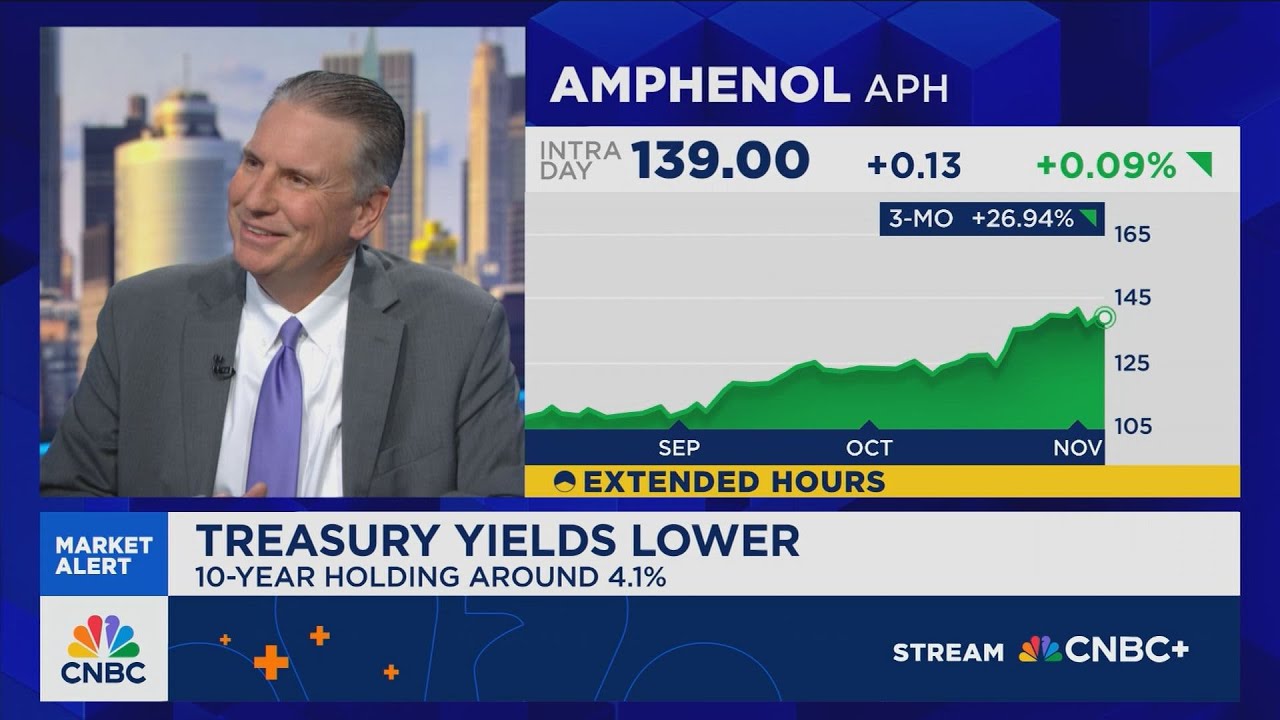
Mahn spoke with a CNBC interviewer about the prevailing market sentiment, particularly the resilience of the "buy the dip" trade. This strategy, he noted, has predominantly benefited the "Magnificent Seven" mega-cap technology stocks, with Meta Platforms identified as a significant beneficiary. The sustained investor confidence in these tech giants, even amidst short-term volatility, underscores a belief in their continued growth trajectories, largely fueled by their pivotal roles in the AI ecosystem.
However, Mahn introduced a critical nuance regarding the longevity and health of the current market rally. He observed that the market has now reached its three-year anniversary, a historical inflection point. Drawing on historical precedents, Mahn stated, "history suggests that every time we hit three years, the bull market continues to rally by an average of eight years." This provides a bullish outlook for the overall market, implying substantial runway for growth.
Yet, this optimism is tempered by a crucial caveat: the future leaders of this extended bull market may not be the same entities that spearheaded its initial ascent. Mahn emphasized, "it's not necessarily going to be the leaders from the previous three years that are going to be the leaders going forward." This insight is paramount for founders and VCs, signaling a potential diversification of opportunity beyond the established mega-caps. The rally, to be truly sustainable, requires a broadening of participation across sectors and market capitalizations.
The AI revolution, Mahn affirmed, is "alive and well," and while large-cap technology stocks retain their value, he pointed to "other opportunities as well under the surface even within the AI ecosystem." This implies that the foundational elements supporting AI’s expansion, rather than just the direct beneficiaries, present compelling investment cases. This perspective offers a strategic pathway for investors to capture value in areas less saturated or perhaps less obvious than the dominant players.
