

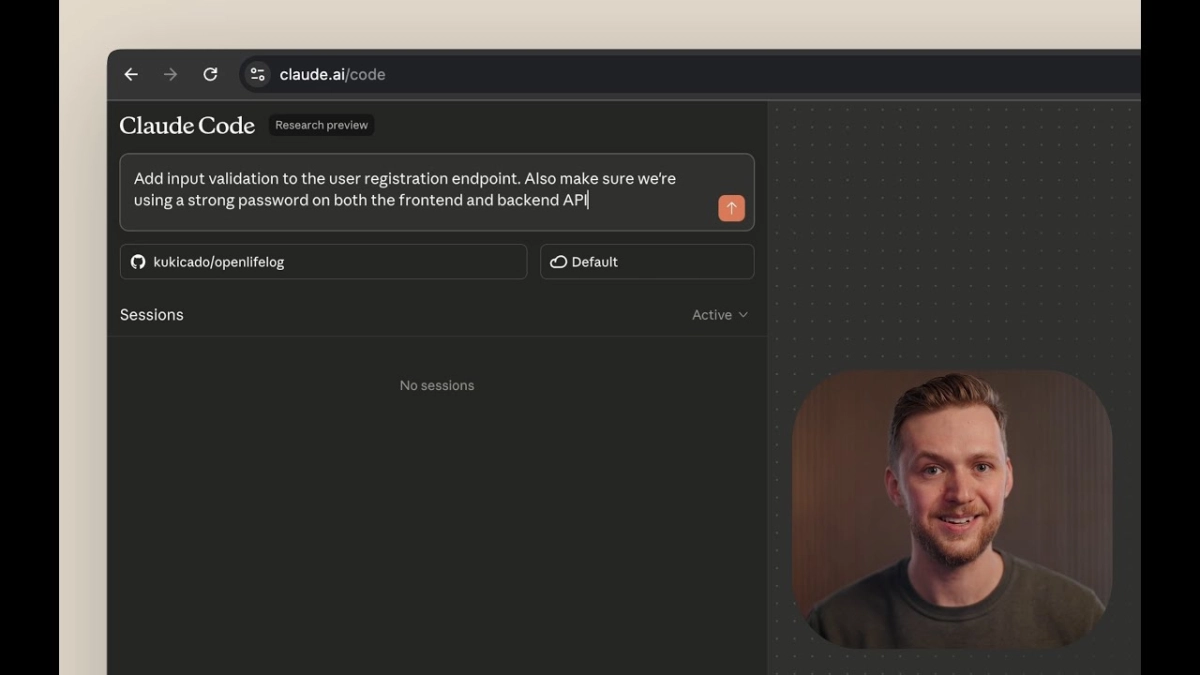
The future of software development is not merely assisted by AI, but actively orchestrated by it, a vision Anthropic brings closer with its latest advancements: Claude Code on the Web and the powerful, cost-efficient Haiku 4.5 model. These releases, detailed by a company representative in a recent video, signal a profound shift towards more intuitive, integrated, and economical AI-driven coding environments, targeting a developer experience that is both streamlined and deeply intelligent. The discussion centered on how these tools empower developers to delegate complex tasks, optimize resource allocation, and foster a more fluid transition between cloud and local development.
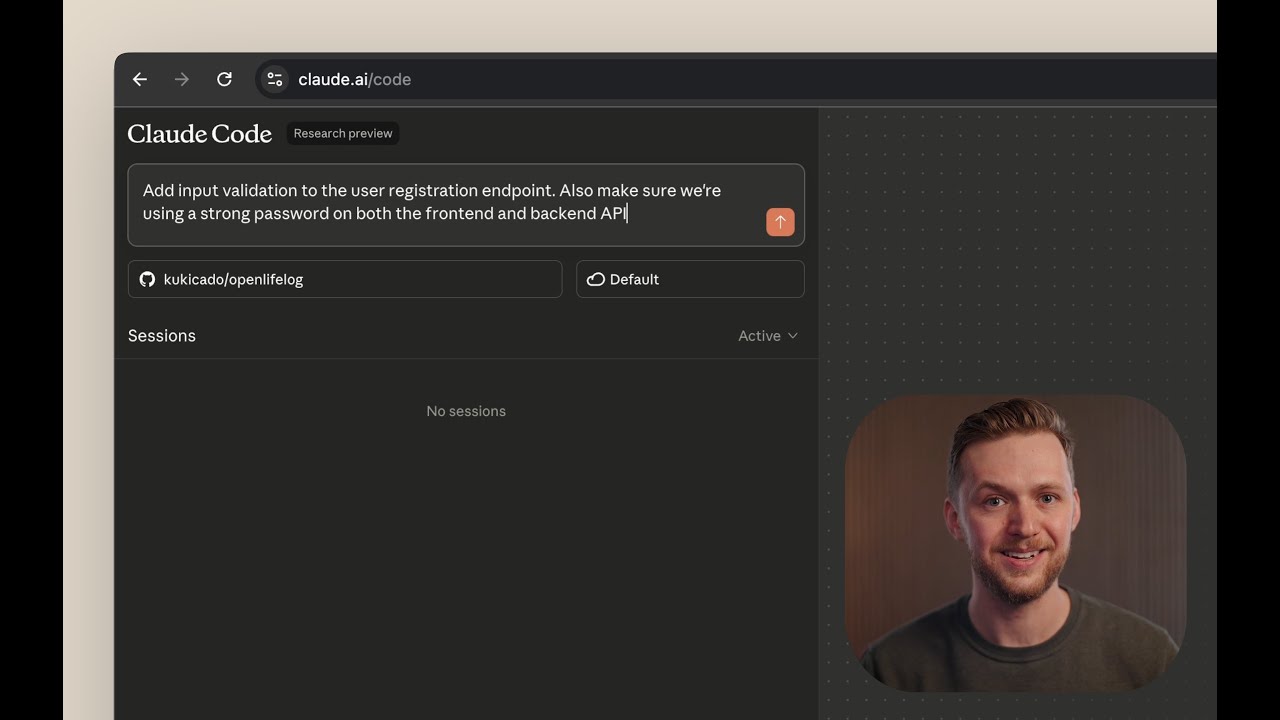
Central to Anthropic’s new offering is Claude Code on the Web, a browser-based platform designed to liberate developers from the traditional constraints of local integrated development environments (IDEs) and terminals. "Claude Code is now available on the web. So instead of loading up your terminal or having to open up your IDE anytime you want to make a change, you can now delegate coding tasks directly from your browser or the Claude mobile app," explained the presenter. This capability allows users to connect their GitHub account, select a repository, describe their desired changes, and let Claude handle the entire process within Anthropic's secure cloud infrastructure. The ability to run multiple coding tasks in parallel across different repositories, whether addressing a backlog of bugs, implementing routine fixes, or prototyping new features, significantly boosts developer productivity and accelerates project timelines.
A particularly compelling feature of Claude Code on the Web is its "Open in CLI" button. This innovative function acts as a bridge, allowing developers to seamlessly transfer their work, along with all accumulated context and progress, from the web interface directly into their local development environment. "My absolute favorite feature of Claude Code on the web is this ‘Open in CLI’ button... I am working in my local development environment with all of the context and all of my progress from the web preserved," the representative highlighted. This hybrid approach ensures that while AI handles the heavy lifting in the cloud, developers retain full control and flexibility to fine-tune code, debug, or integrate changes using their preferred local tools, effectively merging the best of both worlds.
Complementing the web platform is the introduction of Claude Haiku 4.5, a model that impressively redefines the balance between performance and cost. Following the launch of Claude Sonnet 4.5, which quickly established itself as a leading coding model, Haiku 4.5 arrives with a distinct value proposition. "Haiku 4.5 gives you similar levels of coding performance but at one-third the cost and more than twice the speed," the presenter stated, underscoring its efficiency. This model not only matches Sonnet 4's coding prowess in many areas but even surpasses its predecessor in certain computer-use tasks, demonstrating rapid advancements in AI capabilities.
The benchmarks for Haiku 4.5 are indeed impressive, showcasing a 73.3% accuracy on SWE-bench verified tasks and 41% on Terminal Bench. Crucially, it achieves 90% of Sonnet 4.5's performance in agentic coding evaluations, all while being significantly more economical. This positions Haiku 4.5 as a strategic asset for organizations looking to optimize their AI spending without compromising on quality or speed. Its cost-effectiveness, at $1 per million input tokens and $5 per million output tokens, makes it an attractive option for a wide range of coding tasks, from routine maintenance to complex refactoring.