

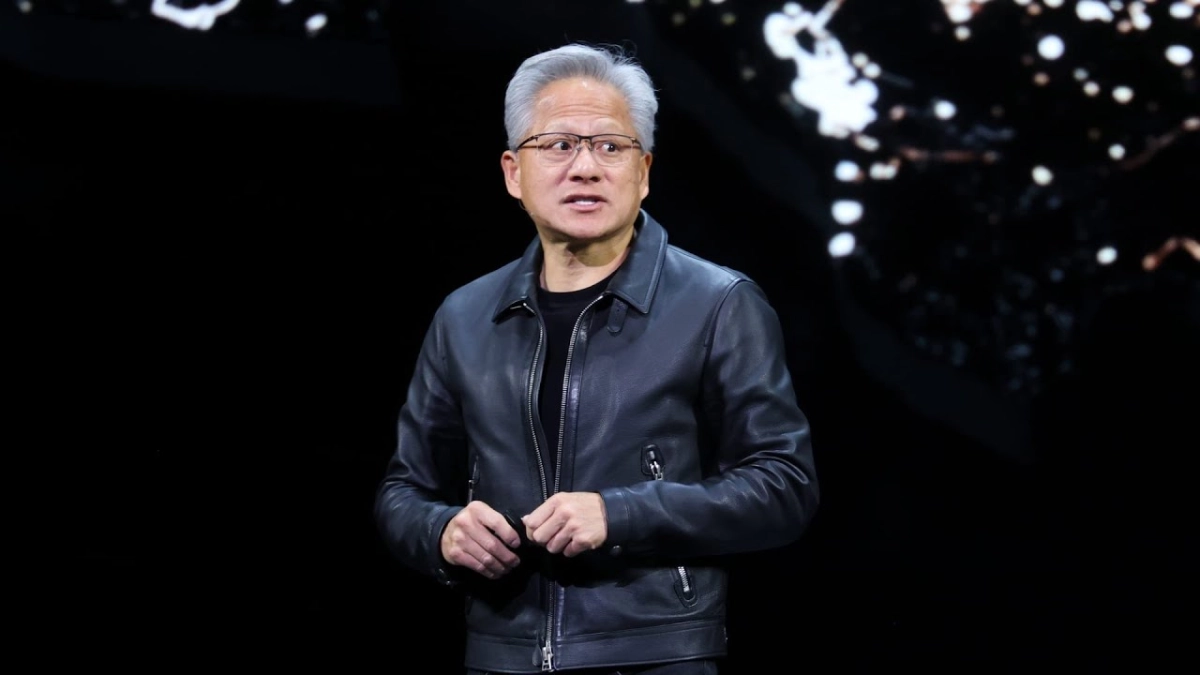
The narrative surrounding artificial intelligence and its impact on employment is often polarized, swinging between utopian promise and dystopian dread. However, a recent CNBC segment, featuring insights from leading tech CEOs like Lisa Su of AMD, Jensen Huang of Nvidia, Michael Intrator of CoreWeave, Aravind Srinivas of Perplexity AI, and Alex Karp of Palantir, presents a more nuanced and consistently optimistic view: AI is not primarily a job destroyer, but a profound job transformer and an engine for new economic opportunities. These leaders, speaking from various vantage points across the AI ecosystem, converged on the idea that human ingenuity, productivity, and adaptability will be amplified, not supplanted, by this technological wave.
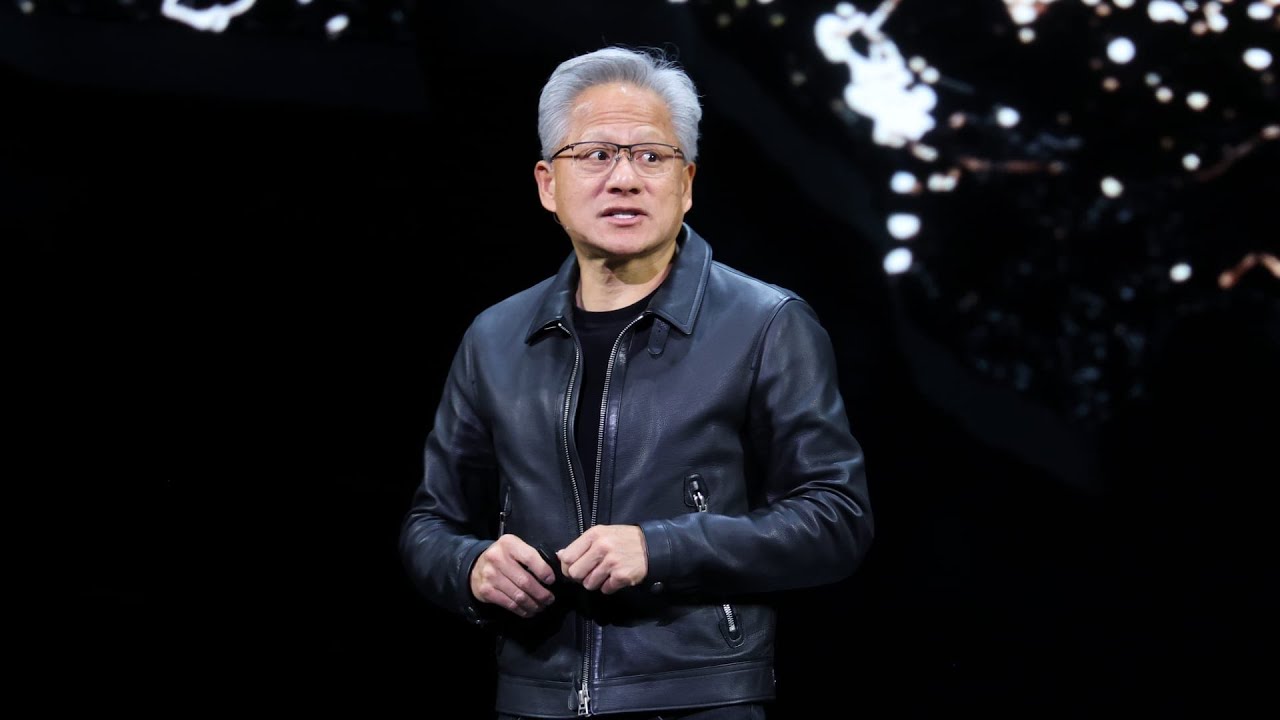
These prominent figures spoke with CNBC about the evolving employment landscape, particularly in light of recent staff reductions across tech sectors. Their collective commentary challenges the simplistic notion that AI is solely responsible for layoffs, instead pointing to a broader shift in how work is conceived and executed, driven by technological advancement and economic recalibration. The consensus suggests that while roles will undoubtedly change, the core value of human creativity and strategic thinking remains paramount, even becoming more critical.
A core insight emerging from the discussions is the distinction between job displacement and job transformation. Jensen Huang, Co-Founder, President, and CEO of Nvidia, articulated this clearly, stating, "AI is going to change everyone's job. That's for sure." This perspective moves beyond the fear of automation simply eliminating positions, suggesting instead that AI will integrate into existing roles, augmenting human capabilities and reshaping workflows. Companies that embrace AI, according to Huang, will become "more productive," leading to a demand for new skill sets and, ultimately, "hiring more people." This productivity dividend is envisioned as a catalyst for growth, not contraction.
Lisa Su, CEO of AMD, echoed this sentiment, emphasizing the empowering aspect of AI. She asserted, "We should not be afraid of AI; we should actually be embracing AI for all of the places that it can help." Su highlighted that AI excels at tasks requiring immense computational power and data processing, freeing humans to focus on higher-order functions. Crucially, she added, "What it doesn't replace is really smart creative people." This underscores a fundamental belief among these leaders that human creativity, problem-solving, and emotional intelligence remain irreplaceable and will become even more valuable in an AI-augmented world.
The discussions also illuminated the economic context often conflated with AI's impact. Aravind Srinivas, Co-Founder, President, and CEO of Perplexity AI, offered a sharp distinction regarding recent layoffs. He posited that the current staff reductions are largely a consequence of "over-hiring they did in the COVID era, when they didn't actually need to." Srinivas directly challenged the causal link, stating, "Correlation doesn't imply causation, like it's not because of AI that people are losing jobs." This perspective is vital for founders and VCs, suggesting that market corrections and previous hiring excesses are distinct from the long-term, transformative effects of AI on job functions. He further noted that AI is empowering small business owners to "take advantage of AI and build amazing companies," indicating a democratization of advanced capabilities.