

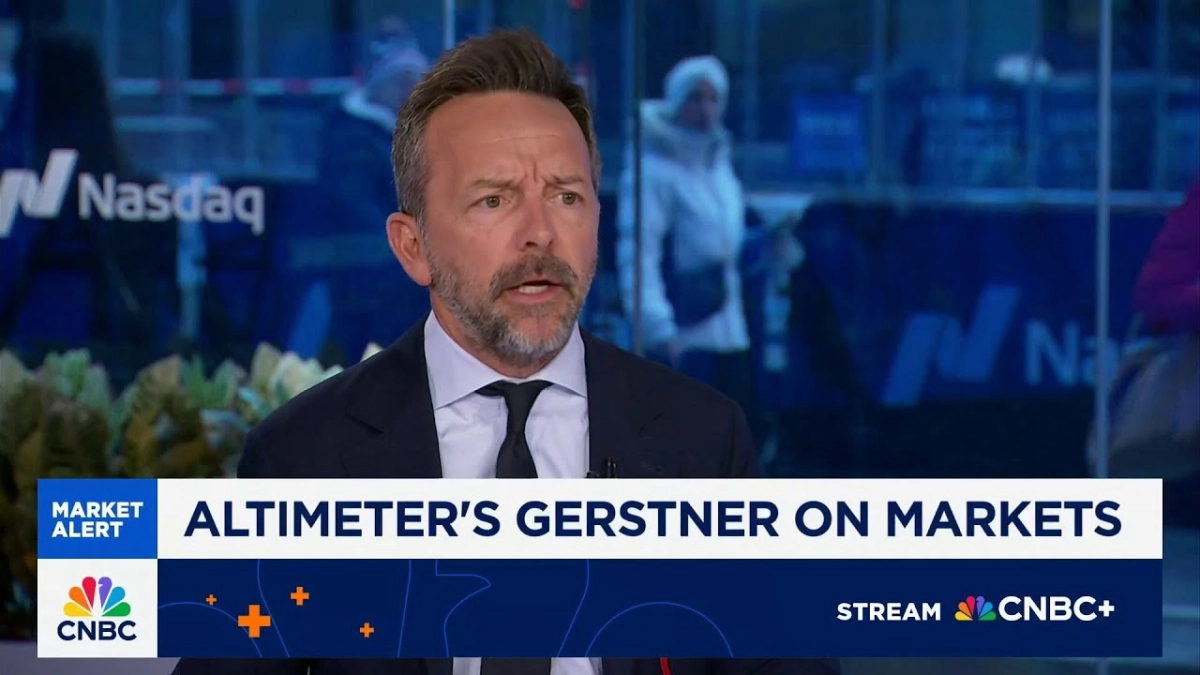
"I happen to think that volatility is good," asserted Brad Gerstner, CEO and founder of Altimeter Capital, during a recent appearance on CNBC's Squawk Box. This statement, delivered amidst discussions of market fluctuations and the burgeoning artificial intelligence sector, encapsulates Gerstner’s contrarian yet calculated perspective on the current technological landscape. His firm, known for its significant investments in tech giants like Nvidia, Alphabet, OpenAI, and Microsoft, offers a seasoned viewpoint on the rapid advancements and economic implications of AI.
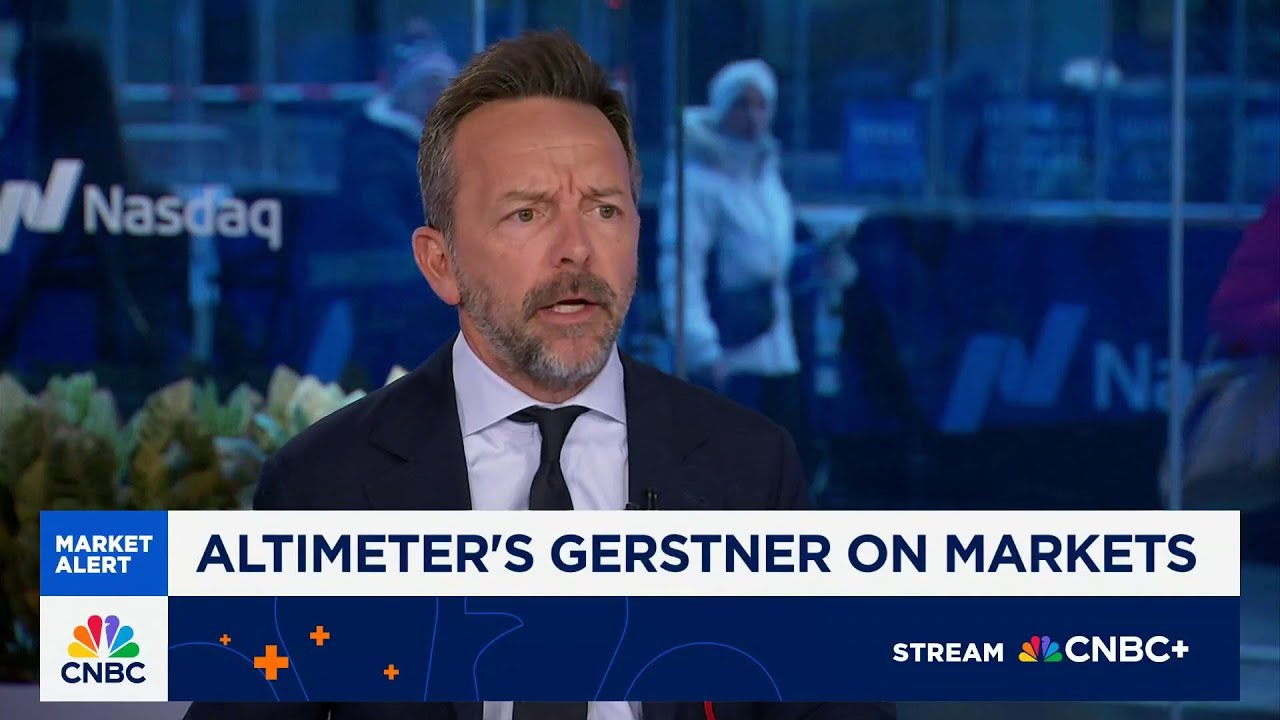
Gerstner spoke with Becky Quick and Joe Kernen on CNBC’s Squawk Box, delving into various topics ranging from the Invest America Act to the state of the AI trade, the prospect of an AI bubble, AI's impact on productivity, and Bitcoin volatility. His commentary provided a sharp analysis for an audience keen on understanding the undercurrents shaping the startup ecosystem, venture capital, and broader tech industries.
The Altimeter chief sees the current market dynamism not as a precursor to collapse, but as a necessary mechanism in a rapidly evolving technological super cycle. He pointed to the phenomenal growth of companies like Nvidia, which has added "almost $200 billion of revenue in the last three years," as evidence of a "truly extraordinary, transformational phase shift." Despite significant drawdowns, including two 25% drops in Nvidia's stock this year, Gerstner views this inherent market instability as a vital safeguard. "That wall of worry prevents the bubble that everybody's worried about," he argued, suggesting that the constant questioning and re-evaluation of valuations keep exuberance in check.
He further elaborated on current tech valuations, noting that Nvidia trades at approximately 23-24 times fully taxed earnings on next year’s numbers, and around 18 times on 2027 figures. These multiples, he contended, "are not the stuff that bubbles are made of," especially when compared to the broader "Magnificent Seven" tech stocks which trade between 25 and 30 times earnings. This rational valuation, coupled with ongoing debates about market leaders (e.g., Nvidia versus Broadcom, Google versus OpenAI), signifies a healthy competitive environment rather than irrational exuberance.
The competitive landscape in AI is indeed fierce, with Google's new Gemini model challenging OpenAI's dominance. Gerstner highlighted Google's remarkable comeback, noting that just a year ago, "we were counting Google out of the equation." Now, he observed, "Sundar is making people do a little dancing today," referring to Google CEO Sundar Pichai. This intense competition is a net positive, driving innovation and ensuring no single player monopolizes the space. For investors, this suggests a strategy of diversification, owning "OpenAI and Anthropic," or "Google and Microsoft," rather than trying to pick a sole winner in this early phase.