

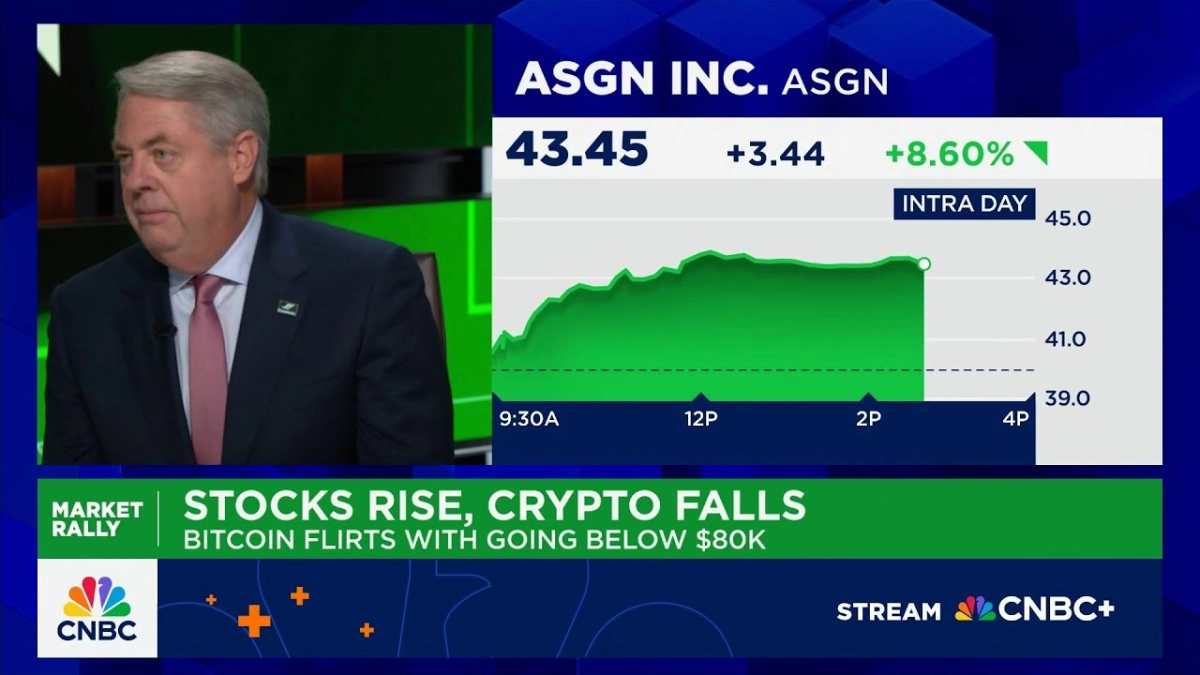
Ted Hanson, CEO of ASGN and soon-to-be Everforth, offered a compelling perspective on the evolving role of artificial intelligence, asserting that AI will ultimately enhance productivity and empower workers to engage in higher-value tasks rather than simply eliminating jobs. Hanson spoke with Brian Sullivan on CNBC's 'Power Lunch,' delving into the current economic climate, the concerns of Fortune 500 CEOs, and the strategic imperative of AI adoption amidst broader geopolitical and fiscal uncertainties. His insights provided a nuanced view for founders, VCs, and AI professionals grappling with the technology's profound implications.
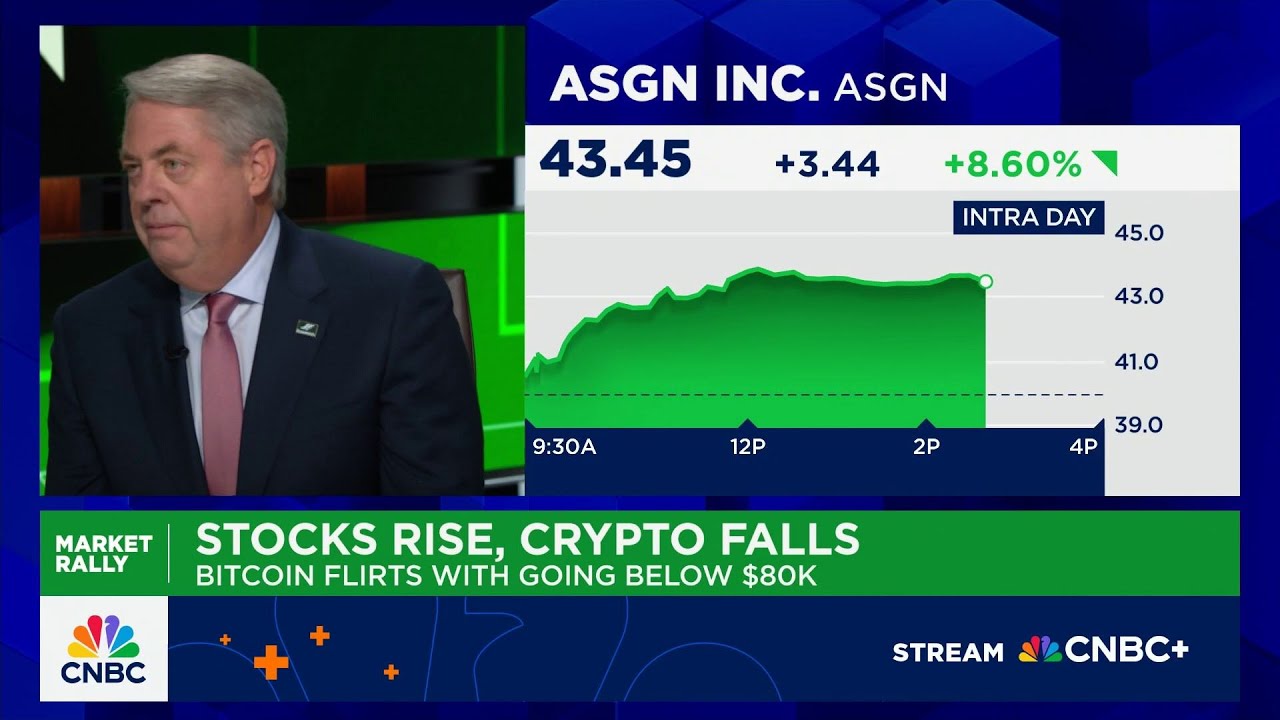
The discussion opened against a backdrop of complex economic challenges for ASGN's diverse client base, which includes over 70% of the Fortune 500. Hanson noted that clients have navigated a year fraught with concerns ranging from tariffs and economic anxieties to the constant pressure of expense management. Yet, woven into this tapestry of immediate concerns is the pervasive question of how to effectively integrate and leverage generative AI. This simultaneously pressing and promising technological shift forms a critical part of their strategic calculus, demanding attention even as companies manage daily operational headwinds.
Hanson emphasized that the prevailing sentiment among business leaders is not one of fear regarding AI-driven job destruction, but rather an optimistic outlook on its capacity to elevate human potential. "AI is going to enhance productivity and rise up the knowledge worker to do higher value things," he stated, countering common anxieties about automation. This perspective frames AI as a tool for augmentation, enabling employees to shed repetitive, lower-value tasks and focus on more complex, creative, and strategic initiatives that require uniquely human cognitive abilities. The shift is less about replacing human workers and more about re-skilling and re-orienting the workforce towards more impactful contributions.
However, the path to realizing AI’s full potential is not without its significant hurdles. Hanson identified a primary impediment: the inherent complexity and "technical debt" within large organizations. For decades, companies have built sprawling, departmentalized systems, resulting in siloed data spread across myriad platforms. "Customers are struggling with right now is the complexity of their own organization," he explained. "For decades they've been putting in big systems, oriented by department, siloed, data spread all over the place. And now they have AI opportunities, but trying to get to that based on the technical debt that exists in their organization is a struggle." This legacy infrastructure acts as a significant drag, preventing the agile and efficient implementation of advanced AI solutions. Companies must first invest in streamlining their data architecture and processes before they can truly unlock the promise of AI.
Beyond the corporate sector, government spending emerges as a powerful accelerator for AI and advanced technologies. Hanson pointed to a significant increase in appropriations, particularly within defense, intelligence, and national security sectors, driven by recent legislative action. "With that comes a double-digit increase in appropriation from the big beautiful bill, which is really pointed at advanced technologies in the Defense Department, Intel, and National Security areas," he noted. This influx of capital creates a robust marketplace for cybersecurity, AI, data analytics, and other critical advanced technologies, directly impacting companies like ASGN, where over 70% of their government work is concentrated in these high-tech domains. This government-led investment not only fuels innovation but also sets precedents and standards for AI adoption that can ripple through the private sector.