


AI's Growing Influence on the Election Cycle

AI is increasingly powering election campaigns, raising concerns about misinformation and the need for regulation. Bloomberg Senior Editor Michael Bloomberg discusses its impact.

5 min read
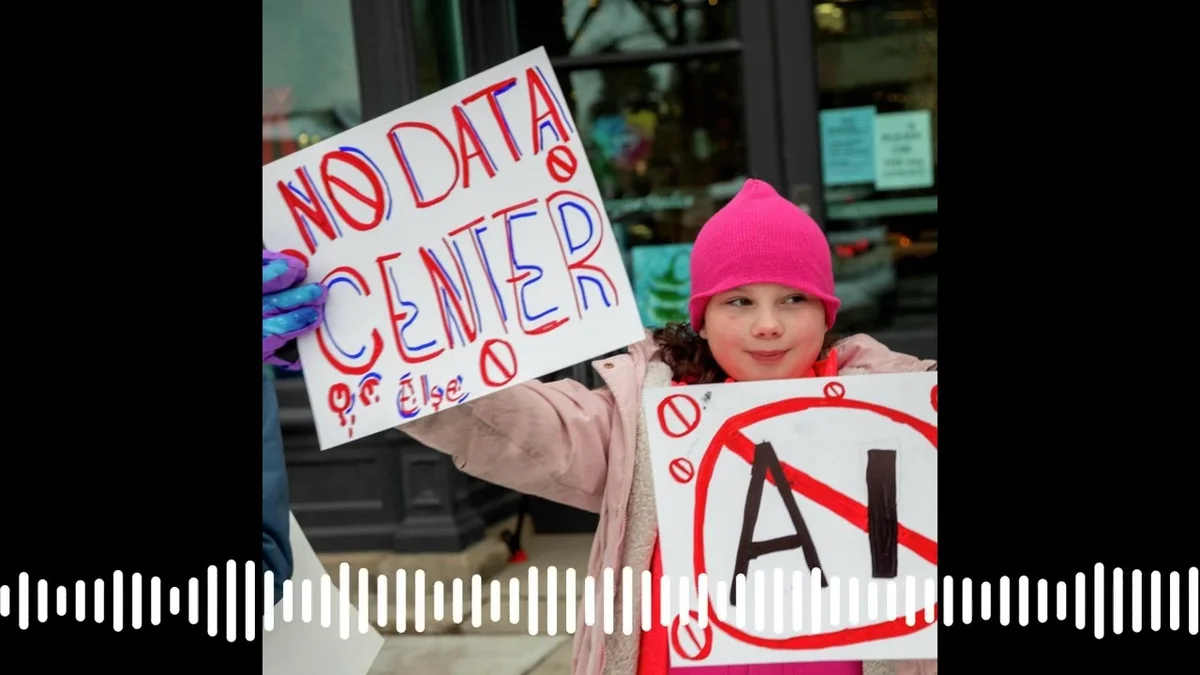
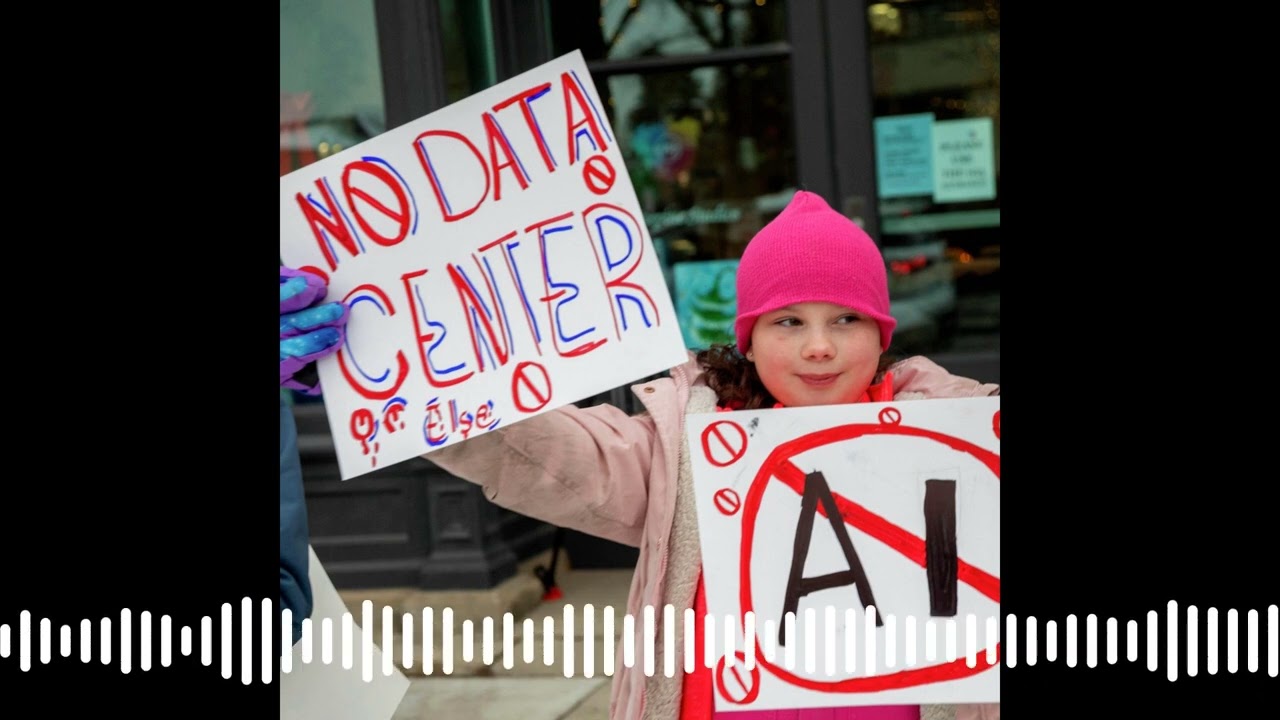
A child holding signs that say "NO DATA CENTER" and "NO AI"
The increasing presence of AI in political campaigns raises concerns about its impact on democratic processes.· Bloomberg Podcast
Visual TL;DR
AI's Growing InfluenceContext
AI is increasingly powering election campaigns
From the article 4 mentionsThe current election cycle is seeing a significant and growing influence from artificial intelligence, impacting everything from campaign advertising to voter outreach.
Campaign StrategyEffect
analyzing voter sentiment and predicting outcomes
From the article 5 mentionsAs AI technology becomes more sophisticated and accessible, its application in political campaigns is raising both excitement and serious concerns about the integrity of democratic processes.
Targeted MessagingEffect
tailoring campaign messages with remarkable precision
From the article 2 mentionsThis influence is felt across various aspects of campaigning, from the creation of targeted advertisements to the generation of content designed to resonate with specific voter demographics.
Anxiety & InvestmentDriver
excitement and serious concerns about democratic integrity
From the article 3 mentionsThis massive investment underscores the perceived power of AI as a tool to gain a competitive edge.
Misinformation ConcernsDriver
raising concerns about misinformation
From the article 3 mentionsIssues like job displacement, the spread of misinformation, and the potential for AI to exacerbate societal divisions are all relevant to its application in elections.
Regulatory ChallengesOutcome
need for regulation
From the article 2 mentionsThe rapid advancement of AI in politics presents significant regulatory challenges.
Path ForwardContext
discusses its impact and the path forward
The current election cycle is seeing a significant and growing influence from artificial intelligence, impacting everything from campaign advertising to voter outreach. As AI technology becomes more sophisticated and accessible, its application in political campaigns is raising both excitement and serious concerns about the integrity of democratic processes.

As stated in the video, AI is not just a background tool but is actively shaping the narrative and the way candidates are perceived. This influence is felt across various aspects of campaigning, from the creation of targeted advertisements to the generation of content designed to resonate with specific voter demographics. The sheer volume and personalization of AI-driven political messaging are unprecedented.

AI's Role in Campaign Strategy

The video highlights that AI is being used to analyze vast amounts of data to understand voter sentiment, predict election outcomes, and tailor campaign messages with remarkable precision. This allows campaigns to micro-target voters with personalized ads and content, potentially swaying opinions and mobilizing support more effectively than traditional methods.

The full discussion can be found on Bloomberg Podcast's YouTube channel.

AI Money and Anxiety Are Powering This Election Cycle | Big Take - Bloomberg Podcast
AI Money and Anxiety Are Powering This Election Cycle | Big Take, from Bloomberg Podcast

The ability to generate realistic images and videos, often referred to as deepfakes, is a particularly concerning application of AI in politics. These synthetic media can be used to create misleading or entirely fabricated content, potentially damaging candidates' reputations or spreading disinformation among the electorate. The challenge lies in distinguishing authentic content from AI-generated material.

The Anxiety and Investment Driving AI in Politics

The surge in AI's use in this election cycle is fueled by both a desire for efficiency and a palpable sense of anxiety among campaigns. As noted, hundreds of millions of dollars are being poured into AI-driven electioneering, with companies vying to steer the AI narrative. This massive investment underscores the perceived power of AI as a tool to gain a competitive edge.

The concerns mirrored in the political sphere are not dissimilar to those discussed in broader societal contexts regarding AI. Issues like job displacement, the spread of misinformation, and the potential for AI to exacerbate societal divisions are all relevant to its application in elections. The report from Data for Progress, which suggests that voters under 45 are more likely to use AI to learn about candidates, indicates a generational shift in information consumption and a growing reliance on AI tools.

Regulatory Challenges and the Path Forward

The rapid advancement of AI in politics presents significant regulatory challenges. As the video points out, there is a growing need for clear guidelines and oversight to ensure that AI is used responsibly and ethically in electoral processes. The current approach to regulating AI in politics is often reactive, with new legislation struggling to keep pace with technological developments.

The discussion also touches upon the broader implications of AI for the economy and society, including its potential to automate jobs and reshape industries. The insights shared in the video suggest that the intersection of AI, money, and anxiety is a defining characteristic of the current election cycle, highlighting the urgent need for thoughtful consideration and proactive measures to navigate this evolving technological and political landscape.

© 2026 StartupHub.ai. All rights reserved. Do not enter, scrape, copy, reproduce, or republish this article in whole or in part. Use as input to AI training, fine-tuning, retrieval-augmented generation, or any machine-learning system is prohibited without written license. Substantially-similar derivative works will be pursued to the fullest extent of applicable copyright, database, and computer-misuse laws. See our terms.