

AI's Economic Impact: Slok on Growth and Inflation

Torsten Slok of Apollo discusses how AI spending, industrial renaissance, and government policy are driving US economic growth and inflation.

Torsten Slok speaking at a podium on a stage with a Bloomberg Odd Lots Live backdrop.
Torsten Slok, Partner & Chief Economist at Apollo, presents his economic outlook.· Bloomberg Podcast
Visual TL;DR
Torsten SlokCore
Apollo Chief Economist analyzing economic drivers
From the article 8 mentionsIn a recent 'Odd Lots' episode, Torsten Slok, Partner and Chief Economist at Apollo, offered a compelling analysis of how Artificial Intelligence is fundamentally reshaping the U.S. economy.
AI Spending SurgeDriver
investments in data centers and energy consumption
From the article 2 mentionsSlok presented a data-driven outlook for 2026, identifying three primary engines of growth: AI spending, an industrial renaissance, and government fiscal policy, encapsulated as 'One Big Beautiful Bill'.
Industrial RenaissanceDriver
From the article 2 mentionsComplementing this, the concept of an 'industrial renaissance' points to growth drivers in key sectors like semiconductors, pharmaceuticals, and defense.
Government PolicyDriver
fiscal stimulus and reshoring initiatives driving activity
From the article 2 mentionsThe third pillar of Slok's growth forecast is government policy, specifically referencing initiatives like lower household taxes and 100% immediate expensing.
Economic GrowthEffect
combined effect of AI, industry, and policy
From the article 9 mentionsThe consensus U.S. economic outlook, as presented by Slok, points towards solid growth combined with high inflation.
Productivity GainsEffect
expected from AI implementation across sectors
From the articleSlok detailed the components of AI spending, which include significant investments in data centers and AI energy consumption, alongside the expected productivity gains AI promises to unlock.
Inflationary PressuresOutcome
potential consequence of increased demand and spending
From the articleThis scenario presents a complex environment for policymakers, as they navigate the dual challenges of stimulating growth without exacerbating inflationary pressures.
Investor ImplicationsContext
outlook for growth and inflation impacts investment
From the article 2 mentionsThis ubiquitous presence means that investors must consider AI's impact when constructing diversified portfolios, moving away from traditional 60/40 splits towards a more AI-centric approach.
Contents(5)

In a recent 'Odd Lots' episode, Torsten Slok, Partner and Chief Economist at Apollo, offered a compelling analysis of how Artificial Intelligence is fundamentally reshaping the U.S. economy. Slok presented a data-driven outlook for 2026, identifying three primary engines of growth: AI spending, an industrial renaissance, and government fiscal policy, encapsulated as 'One Big Beautiful Bill'.

Understanding the Engines of Growth

Slok detailed the components of AI spending, which include significant investments in data centers and AI energy consumption, alongside the expected productivity gains AI promises to unlock. Complementing this, the concept of an 'industrial renaissance' points to growth drivers in key sectors like semiconductors, pharmaceuticals, and defense. These areas are expected to benefit from reshoring initiatives and technological advancements, further stimulating economic activity.

The Role of Government Policy

The third pillar of Slok's growth forecast is government policy, specifically referencing initiatives like lower household taxes and 100% immediate expensing. These measures, aimed at stimulating consumption and investment, are seen as crucial tailwinds for the economy. Slok highlighted that while the U.S. is actively pursuing these policies, other regions, such as Europe, are lagging in similar efforts.

The full discussion can be found on Bloomberg Podcast's YouTube channel.

Torsten Slok Shows Us How AI Is Eating the Entire US Economy | Odd Lots - Bloomberg Podcast
Torsten Slok Shows Us How AI Is Eating the Entire US Economy | Odd Lots, from Bloomberg Podcast

AI's Pervasive Influence

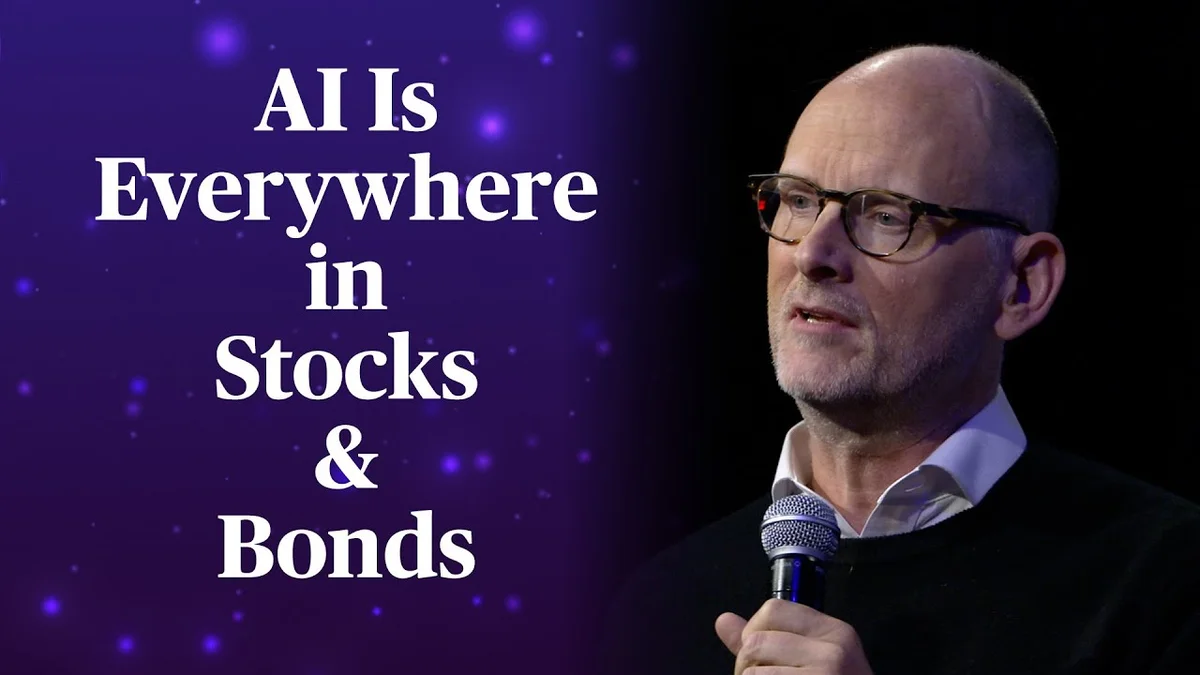
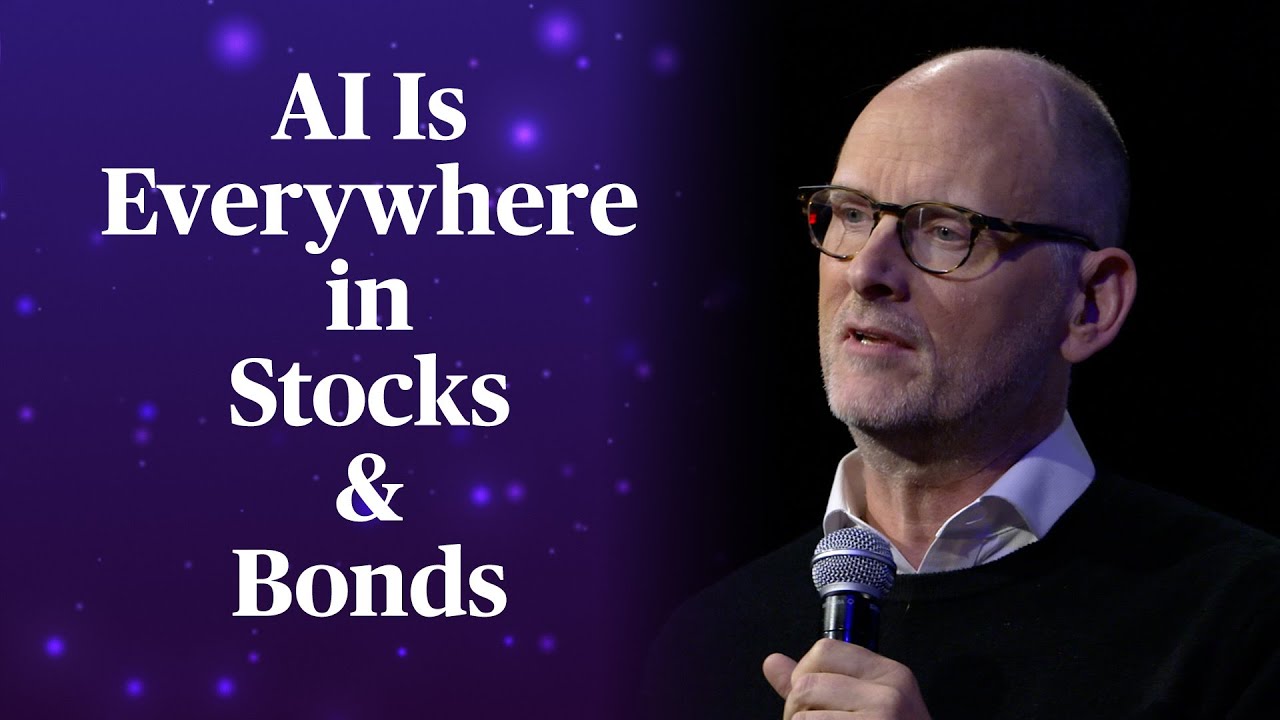
A significant portion of Slok's presentation focused on the pervasive influence of AI across various financial markets and investment portfolios. He illustrated how AI is becoming a dominant factor, not just in technology sectors, but across equity and fixed income allocations. This ubiquitous presence means that investors must consider AI's impact when constructing diversified portfolios, moving away from traditional 60/40 splits towards a more AI-centric approach.

Economic Outlook: Growth and Inflation

The consensus U.S. economic outlook, as presented by Slok, points towards solid growth combined with high inflation. He provided data suggesting that GDP growth is projected to remain robust, while inflation is expected to stay elevated. This scenario presents a complex environment for policymakers, as they navigate the dual challenges of stimulating growth without exacerbating inflationary pressures. The ongoing demand for computing power, evidenced by the significant number of existing and planned data centers, underscores the foundational role AI is playing in this economic landscape.

Implications for Investors

For investors, Slok's analysis suggests a strategic shift is necessary. The increasing dominance of AI means that factor investing, which advises against overexposure to any single factor, becomes even more critical. The new '60/40' is not simply AI versus non-AI, but rather a recognition that AI permeates all asset classes. Understanding how AI impacts different sectors and investment vehicles is paramount for navigating the evolving economic environment and constructing resilient portfolios.

© 2026 StartupHub.ai. All rights reserved. You may not republish this article in full without a license. Search engines and AI research tools may crawl and summarize for reference. Bulk reproduction or model training requires a license. See our terms.
Daniel Singer

Written by

Daniel Singer

Editor, StartupHub.ai

Daniel Singer is the editor of StartupHub.ai, a technology expert and thought leader on AI and its applications across sectors, from fintech and healthcare to developer tooling and consumer software. He writes and tests the tools covered here thoroughly and regularly, and built StartupHub.ai to give founders, operators and buyers a clearer read on what they are actually being sold.