


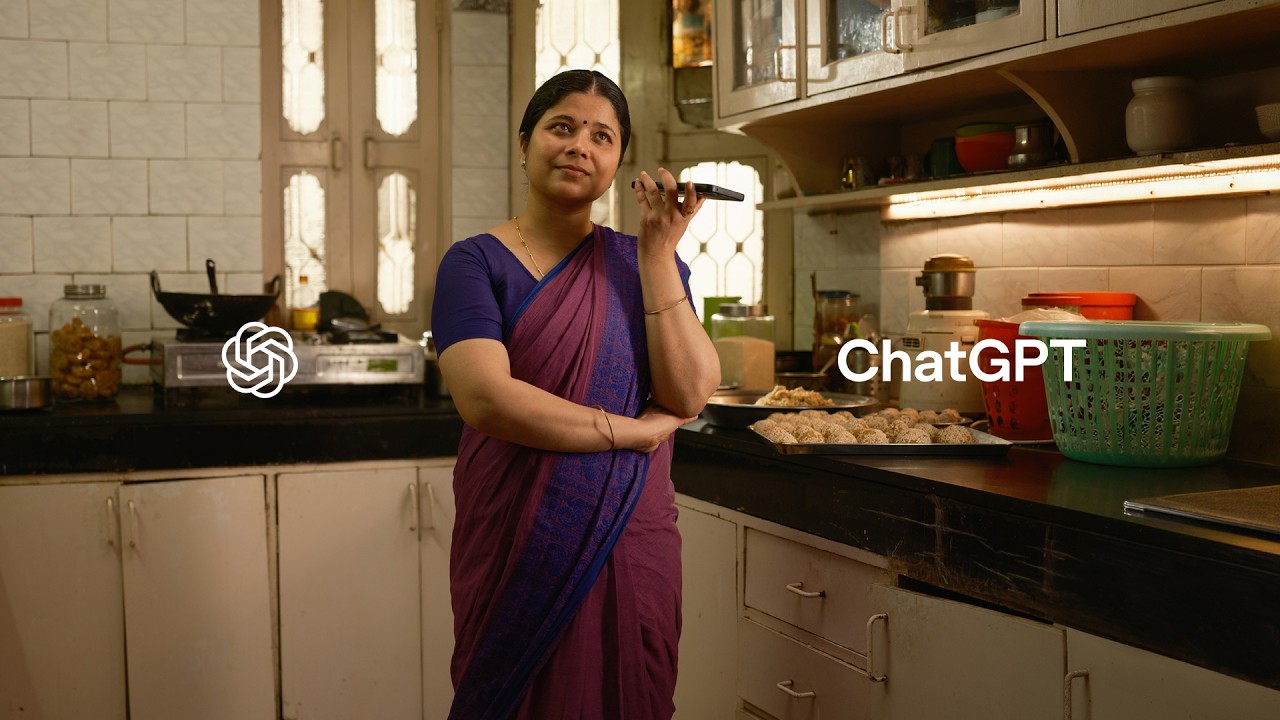
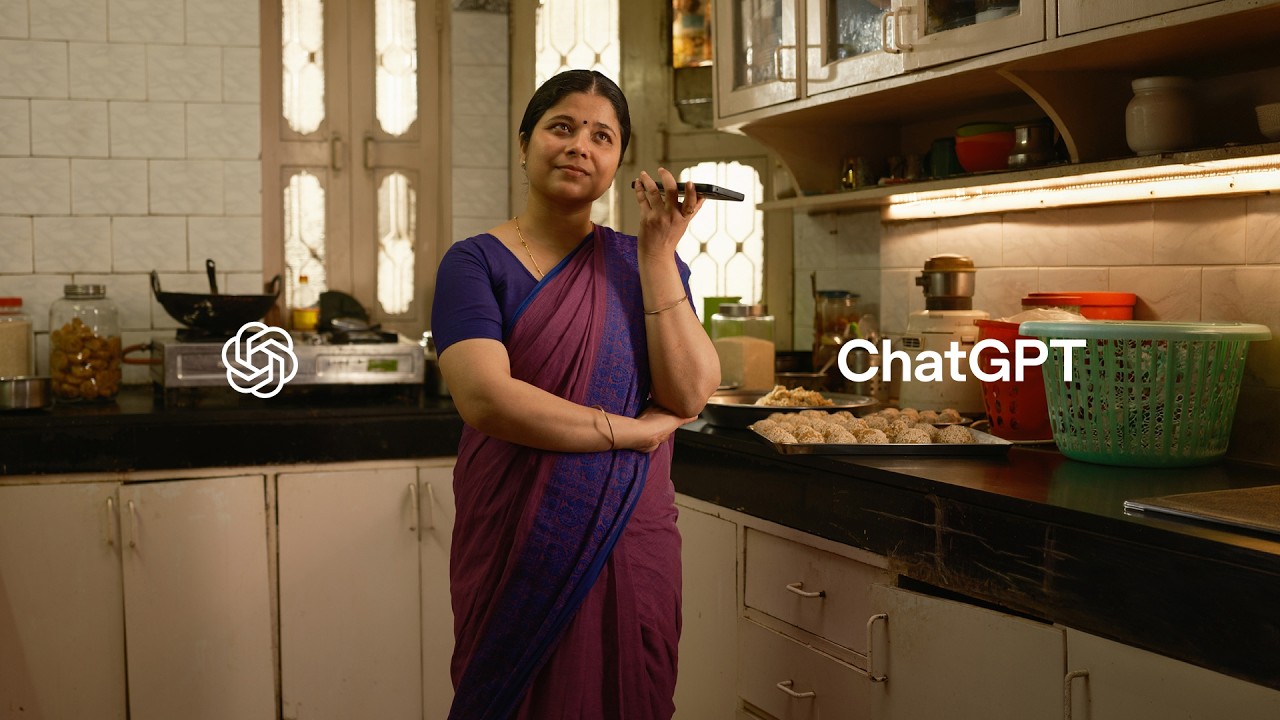
The burgeoning world of AI is extending its reach into the most unexpected corners, including home kitchens where culinary entrepreneurs are transforming their passion into profitable ventures. A recent video highlights how artificial intelligence can be a game-changer for small-scale food businesses, particularly those specializing in traditional sweets and baked goods. The narrative centers around a woman who, despite her skill in making popular 'til ke laddoo' (sesame seed sweets), faces the common challenge of scaling her operation and understanding market dynamics. This story underscores a growing trend: the democratization of business intelligence, making sophisticated analytical tools accessible to individuals and small enterprises.
The video showcases a scenario where the protagonist, a skilled home baker, questions how to turn her popular homemade sweets into a thriving business. She observes that people love her 'til ke laddoo' and wonders about the best way to monetize this talent. The visual narrative then transitions to demonstrate the practical application of AI in understanding consumer behavior and business strategy, particularly around peak seasons like festivals. The underlying message is that even with a great product, strategic planning informed by data is crucial for growth.
The full discussion can be found on OpenAI Youtube's YouTube channel.
Leveraging AI for Business Insights
The core of the video's message is the application of AI in bridging the gap between a beloved product and a successful business. It posits that AI can provide invaluable insights, especially when it comes to predicting demand and understanding pricing strategies. The narrative suggests that by analyzing market trends, particularly during festive periods when demand for sweets naturally spikes, entrepreneurs can make more informed decisions. The video implies that AI tools can help these businesses move beyond guesswork and into data-driven planning.
The Power of Festival Demand
Festivals represent a significant opportunity for businesses dealing in food items, especially traditional sweets. The video highlights that 'Festival ke time new high demand in rehingi' (during festivals, there will be high demand). This surge in demand is presented as the ideal window for launching or scaling a food business. The AI's role here is to help entrepreneurs capitalize on this predictable demand. By understanding that festivals drive consumption, businesses can prepare production, marketing, and logistics accordingly.
AI-Driven Pre-orders and Sales Forecasting
A key point emphasized is the ability of AI to facilitate pre-orders and provide early sales indications. The video states, 'Is time pe log offices, families aur gifting ke liye pre-order deti hai, isse sales ka pehle se hi idea mil jaata hai, aur aap volume aur pricing confidently plan kar paenge' (At this time, people give pre-orders for offices, families, and gifting, which gives an idea of sales beforehand, and you can confidently plan volume and pricing). This suggests that AI can analyze historical data and current trends to predict sales volumes, allowing businesses to optimize production quantities and set prices with greater confidence. This proactive approach minimizes waste and maximizes revenue, crucial for small businesses operating on tight margins.
From Home Kitchen to Business Plan
The video implicitly advocates for a shift in thinking from a hobbyist approach to a structured business model. It poses the question, 'Me ek festival focussed annual business plan bana du?' (Should I create a festival-focused annual business plan?). This rhetorical question points towards the necessity of strategic planning, where AI can play a pivotal role. By using AI, entrepreneurs can move beyond ad-hoc operations and develop comprehensive plans that account for seasonal fluctuations, market demands, and optimal resource allocation. This strategic perspective is vital for sustainable growth and turning a home-based passion into a scalable and profitable enterprise.
