

AI Could Reshape Corporate Structure

AI could fundamentally alter corporate structures, potentially replacing middle management roles established over a century ago by the railroad industry.

2 min read
Abstract image representing AI and corporate structure connections.
AI's potential to reshape the modern corporate structure.· a16z Blog

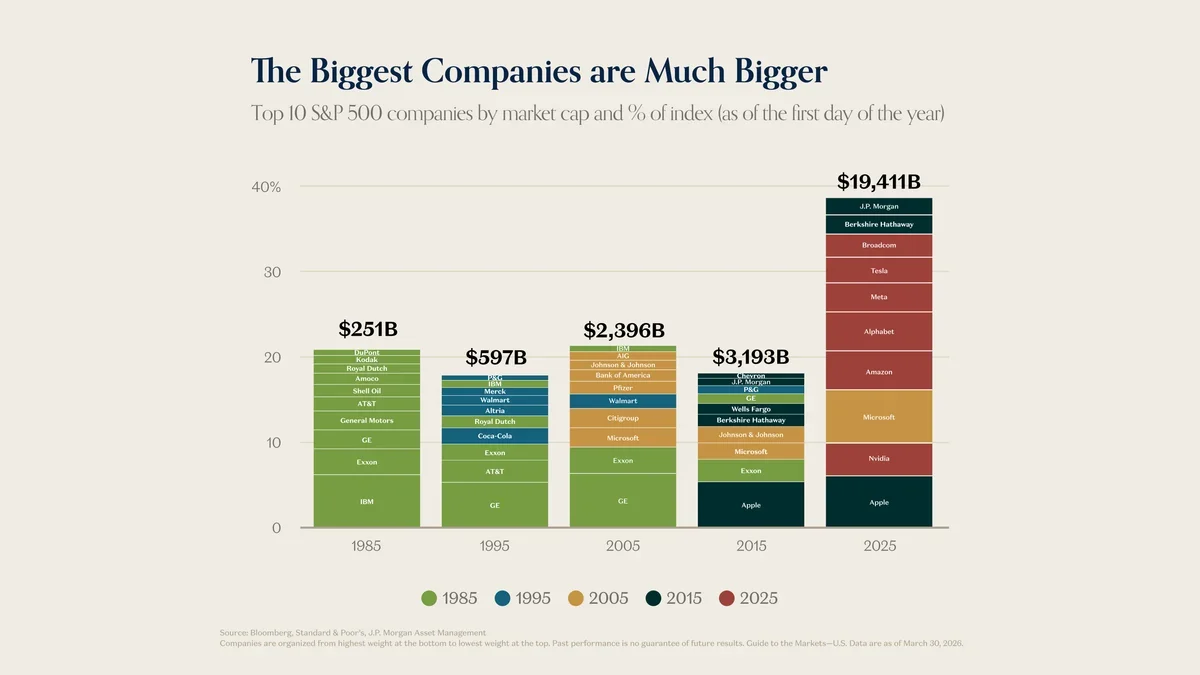
The sheer scale of technology's economic impact is undeniable. The top 10 public companies by market capitalization now surpass the combined GDP of the G7 nations (excluding the US), a shift accelerated by cloud computing's rise around 2016-2017. This ascent isn't just a changing of the guard; these tech giants are vastly larger than their predecessors a decade ago.

This technological dominance mirrors historical precedents, albeit on a grander scale. As explored in a16z's analysis, railroads in the industrial era represented a similar paradigm shift. Their complexity necessitated new organizational frameworks.

The Railroad Revolution and Modern Management

The immense logistical challenges of railroads in the 19th century, from managing crews to scheduling, directly led to the creation of the first modern organizational charts. This era gave rise to concepts like middle management and the multi-divisional corporate structure.

Related startups

Alfred Chandler termed this evolution the "visible hand." Essentially, railroads didn't just transport goods; they fundamentally altered the nature of business organization.

AI's Potential to Redefine the Firm

Today, artificial intelligence presents a comparable, potentially transformative force. Some argue that AI's role within companies isn't about individual productivity tools but about fundamentally replacing the functions of middle management.

This perspective suggests AI could handle information routing, alignment maintenance, and pre-computation of decisions. Humans would then focus on customer interaction and strategic judgment at the organizational periphery.

The debate on whether AI will indeed replace middle management, as proposed by figures like Jack Dorsey, is ongoing. However, the potential for AI to reshape the dominant organizational template—established over a century ago by railroads—is a significant development.

This fundamental shift could create entirely new organizational archetypes, moving beyond the current 170-year-old model of firm and managerial alignment. The implications of this potential transformation far outweigh short-term market fluctuations.

While stablecoins are increasingly used for commerce, and trust in traditional media plummets, the profound impact of AI on corporate structure is a critical area to watch. The potential disruption to established management hierarchies mirrors the foundational changes brought about by earlier technological revolutions.

© 2026 StartupHub.ai. All rights reserved. Do not enter, scrape, copy, reproduce, or republish this article in whole or in part. Use as input to AI training, fine-tuning, retrieval-augmented generation, or any machine-learning system is prohibited without written license. Substantially-similar derivative works will be pursued to the fullest extent of applicable copyright, database, and computer-misuse laws. See our terms.