


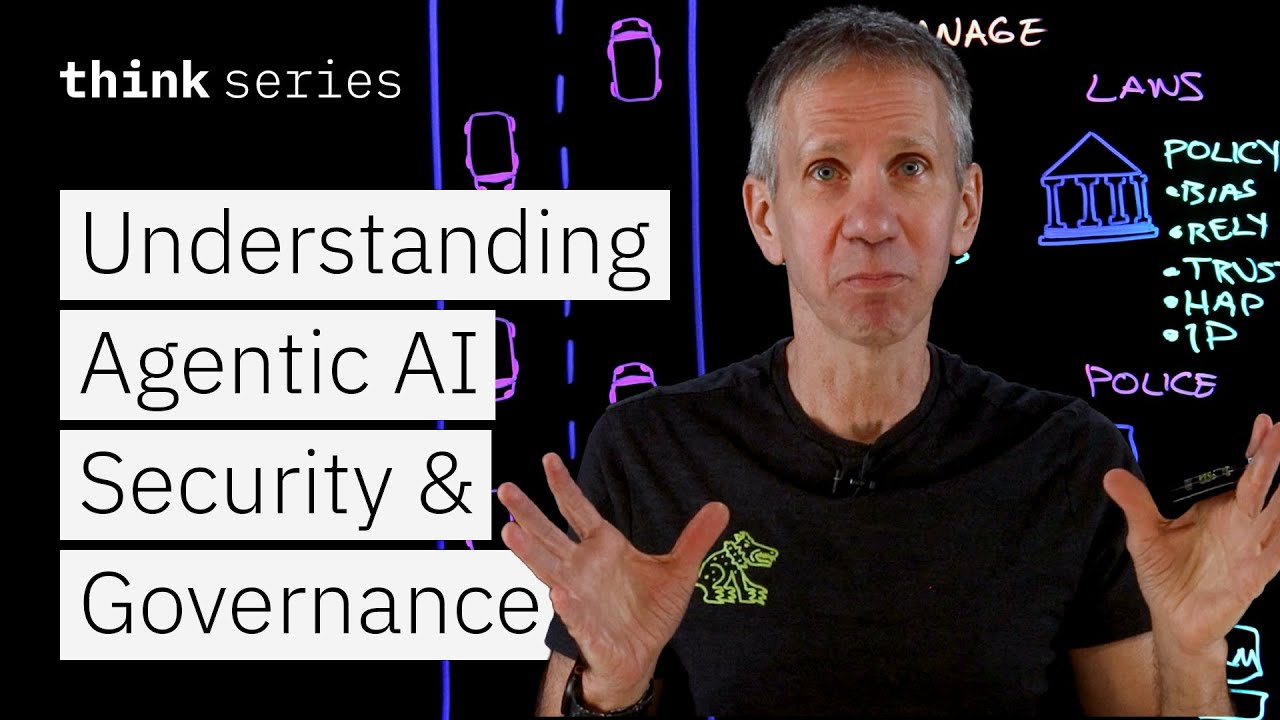
As artificial intelligence rapidly evolves, the rise of 'agentic AI', autonomous systems capable of executing complex tasks, presents both immense opportunity and significant governance challenges. Looking ahead to agentic AI trends in 2026, ensuring these systems operate safely and ethically will be paramount. IBM, in a recent discussion on governing and securing AI agents, highlights the critical need for a robust framework, drawing parallels to established regulations for vehicle operation.
Building and Managing AI Identities
Just as cars require manufacturing standards and driver's licenses, AI agents need a clear 'build' phase and a system for 'management.' This involves designing agents with inherent safety features and then issuing them non-human identities (NHIs) and credentials. Organizations must implement robust identity and access management (IAM) solutions to authenticate these agents, ensuring only authorized entities can perform specific functions.
Secure storage for these digital 'keys' is non-negotiable. A dedicated vaulting system is necessary to protect agent credentials, allowing them to be checked out and returned securely. This prevents unauthorized access and potential hijacking of autonomous AI systems, a growing concern as their capabilities expand.
Establishing Policy for Autonomous Systems
Beyond identity, clear policies are vital to guide AI agent behavior. These 'laws' must address critical areas such as preventing algorithmic bias, ensuring the reliability and explainability of outputs, and fostering user trust. Policies should also guard against generating hate speech, abuse, or profanity (HAP), which can rapidly scale with autonomous operations.
Furthermore, intellectual property (IP) considerations are paramount. Agentic AI systems interacting with vast datasets and generating new content must adhere to IP rights, mitigating legal risks and ensuring responsible data handling. Regular monitoring for 'drift', where an agent's behavior deviates from its intended purpose, is also essential.