South Korea's AI Wealth Fight: Samsung Bonuses Ignite Tech Wealth Debate

Samsung Electronics workers in the chip division will receive significant AI bonuses, sparking debate over fair profit sharing across the company.

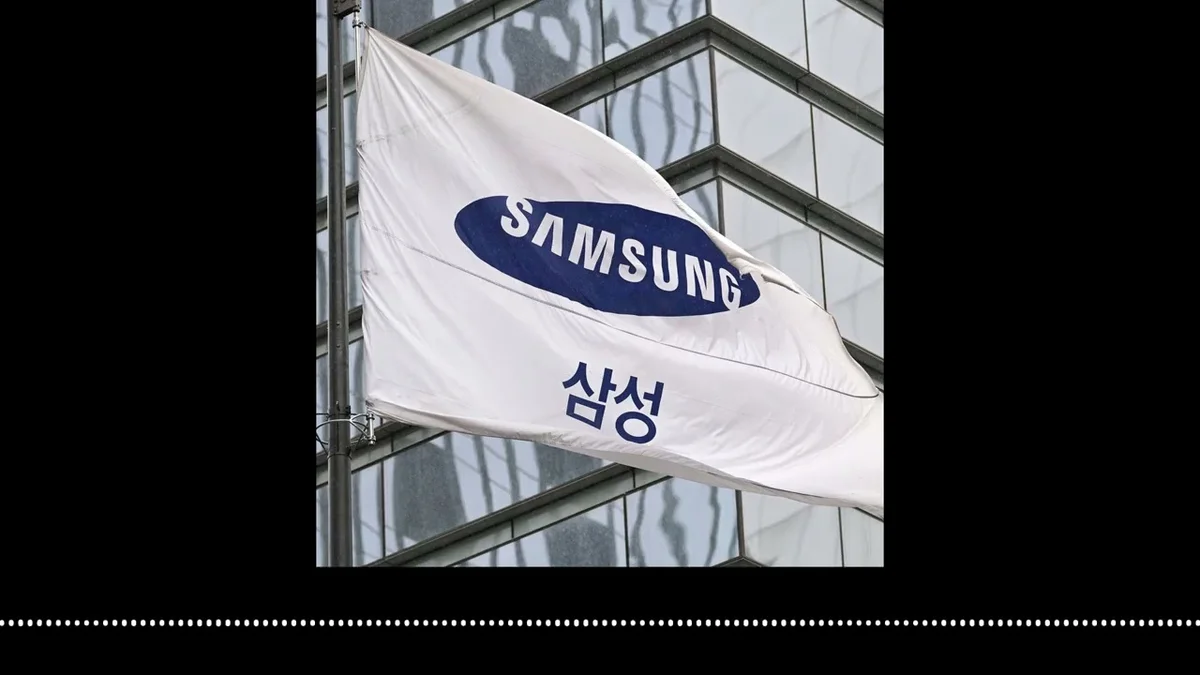
A Samsung flag waving in front of a modern glass building.
Samsung's semiconductor division is at the forefront of the AI boom.· Bloomberg Podcast
Visual TL;DR
AI BoomDriver
surging demand for AI-related technologies
From the article 2 mentionsThe lucrative boom in artificial intelligence is creating unprecedented wealth, but the distribution of these gains is sparking heated debates, particularly in South Korea's tech sector.
HBM Chip DemandCore
High-Bandwidth Memory chips powering AI revolution
From the article 2 mentionsThe core of the dispute centered on the distribution of profits generated by the surging demand for AI-related technologies, particularly High-Bandwidth Memory (HBM) chips.
Samsung Chip SuccessEffect
semiconductor division instrumental in global AI revolution
From the article 2 mentionsThe success of the chip division in securing substantial bonuses highlights the immense value of their contributions to the AI revolution.
Profit DisparityDriver
From the article 6 mentionsHowever, this success has also highlighted a significant disparity in compensation between different employee groups within the company.
AI BonusesCore
significant bonuses for chip division workers
From the article 5 mentionsThe breakthrough agreement includes substantial AI-driven bonuses for workers in Samsung's semiconductor division.
Labor DisputeOutcome
heated debates over fair profit sharing
From the article 7 mentionsSamsung Electronics, a global leader in semiconductor manufacturing, recently navigated a critical labor dispute that brought these tensions to the forefront.
Avoided StrikeOutcome
From the article 2 mentionsAfter months of delicate negotiations, the company reached an agreement with its labor union, narrowly avoiding a strike that could have crippled its vital chip production.
Wealth Distribution DebateContext
sparking debate over fair profit sharing
From the articleThe lucrative boom in artificial intelligence is creating unprecedented wealth, but the distribution of these gains is sparking heated debates, particularly in South Korea's tech sector.
Contents(5)

The lucrative boom in artificial intelligence is creating unprecedented wealth, but the distribution of these gains is sparking heated debates, particularly in South Korea's tech sector. Samsung Electronics, a global leader in semiconductor manufacturing, recently navigated a critical labor dispute that brought these tensions to the forefront. After months of delicate negotiations, the company reached an agreement with its labor union, narrowly avoiding a strike that could have crippled its vital chip production.

StartupHub data

Companies working on this

Profiles of the companies named in this story, with funding and a one-liner from our database.

SK hynix Inc.
Global semiconductor manufacturer specializing in DRAM and NAND flash memory chips for various electronic devices.
Samsung Electronics
South Korean multinational conglomerate, a global leader in consumer electronics, semiconductors, and home appliances.

The core of the dispute centered on the distribution of profits generated by the surging demand for AI-related technologies, particularly High-Bandwidth Memory (HBM) chips. Samsung's semiconductor division, the crown jewel of the conglomerate, has been instrumental in powering the global AI revolution. However, this success has also highlighted a significant disparity in compensation between different employee groups within the company.

AI Bonuses Fueling Discontent

The breakthrough agreement includes substantial AI-driven bonuses for workers in Samsung's semiconductor division. These bonuses are reportedly averaging around $340,000 USD per employee, a staggering sum that reflects the immense profitability of the AI hardware sector. While this is a significant win for the chip workers, it has amplified existing grievances among employees in other divisions, such as those working on smartphones, televisions, and home appliances.

The full discussion can be found on Bloomberg Podcast's YouTube channel.

Huge AI Bonuses Spark South Korea Tech Wealth Fight | Big Take Asia - Bloomberg Podcast
Huge AI Bonuses Spark South Korea Tech Wealth Fight | Big Take Asia, from Bloomberg Podcast

These employees, who contribute to Samsung's diverse product lines, feel that their efforts are not being adequately recognized or rewarded in comparison. They argue that the company's overall success is a collective effort, and the disproportionate allocation of AI-driven bonuses creates a sense of unfairness. This sentiment has been amplified by discussions on online forums, where workers express frustration over the perceived inequity.

The Broader Economic Context: AI's Uneven Impact

Samsung's situation mirrors a broader trend observed across the global tech industry. As artificial intelligence rapidly transforms various sectors, companies at the forefront of this technological wave are experiencing record profits. However, the question of how these profits are shared remains a contentious issue. The massive gains made by the semiconductor sector, which supplies the essential hardware for AI, have created a significant gap between the compensation of those directly involved in this high-demand area and the rest of the workforce.

The Bank of Korea has acknowledged this trend, noting that while AI is driving economic growth, it also risks exacerbating income inequality. The semiconductor industry, in particular, is seen as a critical engine for South Korea's economy, accounting for a substantial portion of its export revenue. The demand for advanced chips, essential for AI servers and AI-powered devices, has never been higher. This has placed companies like Samsung, SK Hynix, and their competitors in a position of immense influence and profitability.

SK Hynix: A Precedent for Discontent

The labor tensions at Samsung are not entirely unprecedented. Earlier this year, employees at SK Hynix, another major South Korean chip manufacturer and a key competitor to Samsung, voiced similar concerns. Reports indicated that SK Hynix employees were seeking a larger share of the profits generated by the company's strong performance in the AI chip market. The company's compensation structure, which reportedly ties bonuses more closely to the performance of specific divisions, led to significant discontent among workers in other sectors of the business.

This situation at SK Hynix serves as a cautionary tale for Samsung and the broader industry. While the AI boom presents immense opportunities, companies must navigate the complex challenge of ensuring equitable distribution of its rewards to maintain employee morale and prevent labor unrest. The debate over fairness and compensation in the age of AI is likely to intensify as the technology continues to reshape the global economy.

The Future of AI Wealth Distribution

The Samsung agreement, while averting a strike, has undoubtedly set a precedent for future labor negotiations in the tech sector. The success of the chip division in securing substantial bonuses highlights the immense value of their contributions to the AI revolution. However, it also raises critical questions about how other divisions within these tech giants will be compensated for their roles in the company's overall success. The ongoing dialogue about fair profit sharing and the potential for future labor disputes underscores the transformative, and at times disruptive, impact of artificial intelligence on the global workforce and economy.

© 2026 StartupHub.ai. All rights reserved. You may not republish this article in full without a license. Search engines and AI research tools may crawl and summarize for reference. Bulk reproduction or model training requires a license. See our terms.
Daniel Singer

Written by

Daniel Singer

Editor, StartupHub.ai

Daniel Singer is the editor of StartupHub.ai, a technology expert and thought leader on AI and its applications across sectors, from fintech and healthcare to developer tooling and consumer software. He writes and tests the tools covered here thoroughly and regularly, and built StartupHub.ai to give founders, operators and buyers a clearer read on what they are actually being sold.

More from Daniel Singer

