


AI Security's Y2K Moment: Anthropic, OpenAI & Beyond

Experts discuss Anthropic's new security beta, OpenAI's AI safety plan, and how AI is creating a 'Y2K moment' for cybersecurity.

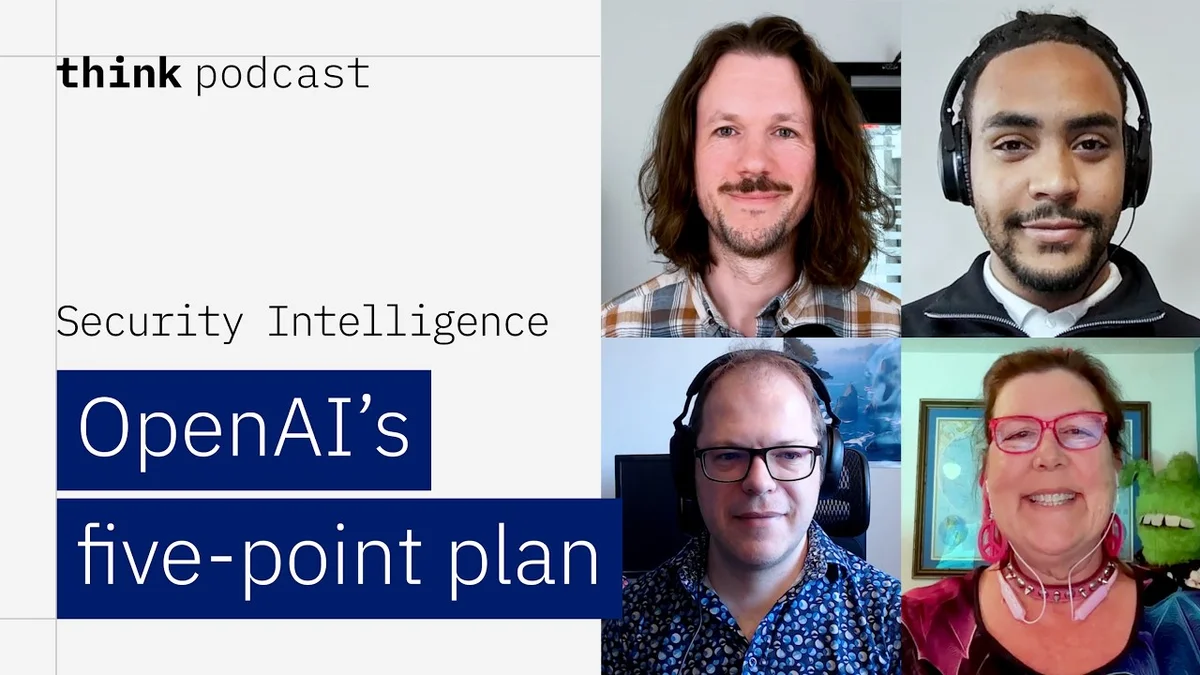
Panel discussion on AI security, featuring experts discussing Anthropic, OpenAI, and cybersecurity.
Image credit: Security Intelligence· IBM

The rapidly evolving field of artificial intelligence is not only reshaping industries but also presenting new frontiers and challenges in cybersecurity. In a recent discussion on IBM's Security Intelligence podcast, experts delved into the critical intersection of AI and security, highlighting key developments from major players and the emerging need for a proactive, collaborative approach.

The conversation kicked off by touching upon Anthropic's recent announcement of Claude Security's public beta. This move signifies a significant step in bringing AI-powered security solutions to enterprise clients, allowing them to scan their codebases using models like Claude 4.5.
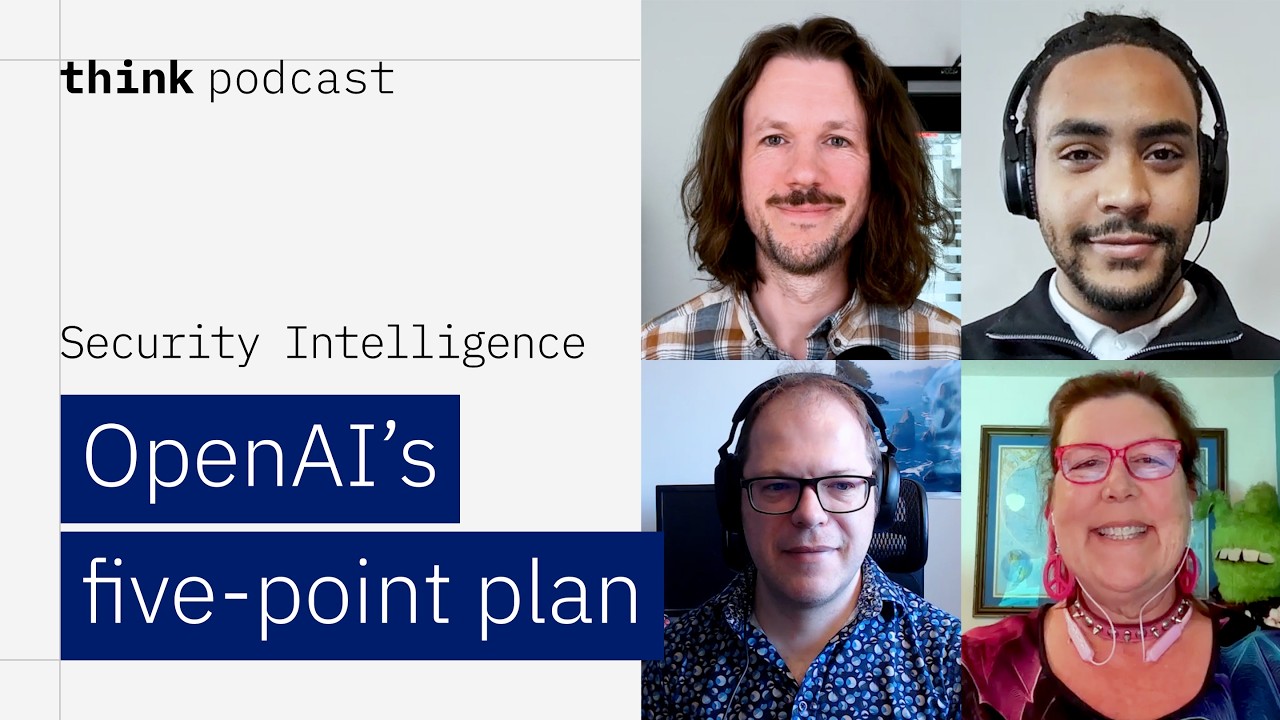
Simultaneously, OpenAI has stepped forward with its own strategic initiative, releasing a five-point plan aimed at bolstering the safety and security of AI systems. This plan underscores the company's commitment to responsible AI development and deployment.

Related startups

The full discussion can be found on IBM's YouTube channel.

Claude Security’s public beta, OpenAI’s five-point plan and cybersecurity’s Y2K moment - IBM
Claude Security’s public beta, OpenAI’s five-point plan and cybersecurity’s Y2K moment — from IBM

Cybersecurity's 'Y2K Moment' in the Age of AI

The overarching theme of the discussion framed these developments as part of a broader "Y2K moment" for cybersecurity. Just as the world braced for the potential chaos of the year 2000 bug, the current proliferation of advanced AI models is forcing a similar reckoning within the cybersecurity sector. The sheer power and adaptability of AI, while offering immense potential for defense, also present sophisticated new avenues for malicious actors.

The participants, including Kimmie Farrington, a Security Detection Engineer at IBM, and Omari Jones, a Strategic Threat Analyst also from IBM, explored how these AI advancements are fundamentally changing the threat landscape. They noted that AI's ability to generate code, analyze patterns, and potentially automate malicious activities at scale requires a corresponding evolution in defensive strategies.

The Need for Robust AI identity and control

A significant portion of the conversation focused on the critical aspect of AI identity and control. As AI agents become more autonomous and integrated into complex systems, establishing clear lines of accountability and understanding who or what is performing actions becomes paramount. The challenge lies in ensuring that these AI agents are not only capable but also operate within defined ethical and security boundaries.

The discussion highlighted the emerging need for frameworks that can provide granular control and traceability for AI actions. This involves not just ensuring the AI performs its intended function but also understanding the provenance of its decisions and actions. The concept of immutable ledgers, such as blockchain, was touched upon as a potential technology to provide the necessary auditability and trust in AI-driven processes.

The participants emphasized that the current approach to security needs to adapt to a world where AI is not just a tool but an active participant in the digital ecosystem. This necessitates a shift from traditional security models to those that can account for the unique characteristics of AI, including its learning capabilities and potential for emergent behavior.

Collaborative Efforts and the Path Forward

The conversation also touched on the importance of collaboration, both within organizations and across the industry. The sheer complexity of AI security challenges means that no single entity can address them alone. Initiatives like the coalition frameworks mentioned, involving major tech players, are crucial for sharing knowledge, developing best practices, and creating a more secure AI future.

Ultimately, the discussion underscored that as AI continues to advance, the cybersecurity industry must remain agile, innovative, and collaborative. The "Y2K moment" for AI security is not just about mitigating immediate threats but about building a foundational understanding and robust infrastructure that can adapt to the ever-evolving capabilities and implications of artificial intelligence.

© 2026 StartupHub.ai. All rights reserved. Do not enter, scrape, copy, reproduce, or republish this article in whole or in part. Use as input to AI training, fine-tuning, retrieval-augmented generation, or any machine-learning system is prohibited without written license. Substantially-similar derivative works will be pursued to the fullest extent of applicable copyright, database, and computer-misuse laws. See our terms.