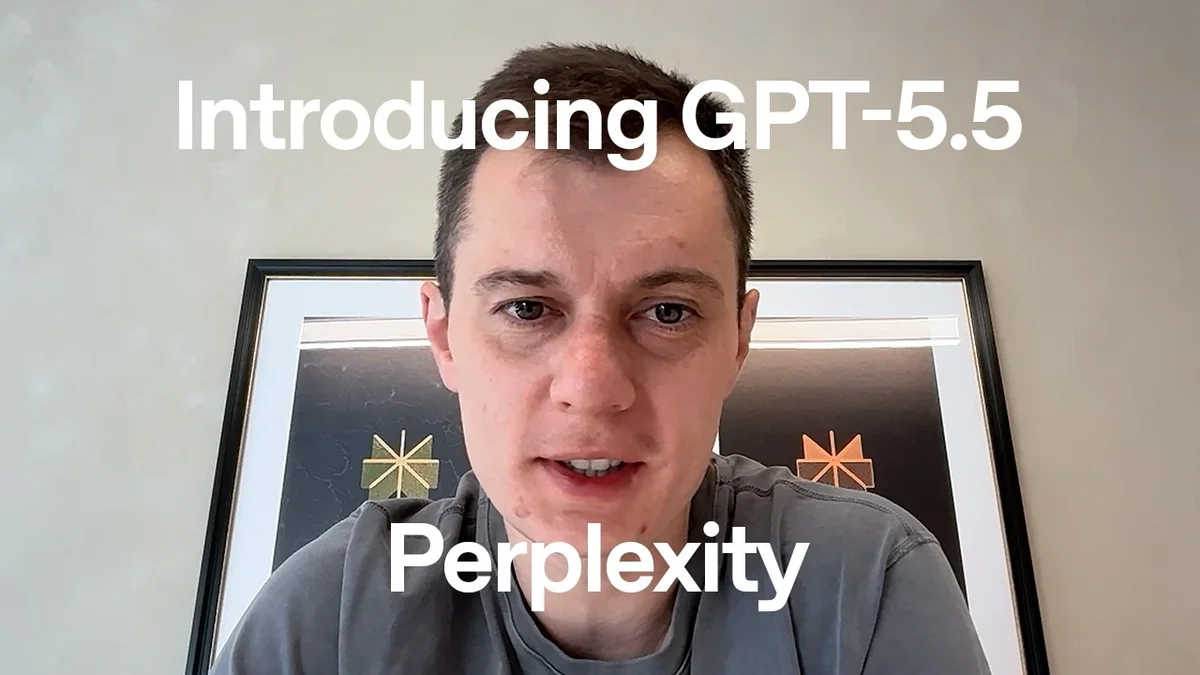
Denis Yarats, Co-founder and CTO of Perplexity AI, a company known for its AI-powered search engine, recently shared insights into the capabilities of a new language model, tentatively referred to as GPT-5.5. In a short video, Yarats discusses how this advanced model, which he integrated into an internal tool for generating a GitHub pull request merge time dashboard, demonstrated significant improvements in precision and efficiency. The project, which he had been deferring due to its perceived complexity, was completed in under an hour thanks to the new model.
Introducing GPT-5.5: Precision and Efficiency
Yarats' primary focus was the remarkable efficiency of GPT-5.5. He stated, "GPT-5.5 is very precise and very token-efficient." This efficiency was not just an abstract concept but a tangible benefit observed in a real-world application. He elaborated on the development of an internal tool that analyzes GitHub pull request merge times. Previously, he anticipated this task would take days, but the integration of GPT-5.5 dramatically accelerated the process.
The full discussion can be found on OpenAI Youtube's YouTube channel.
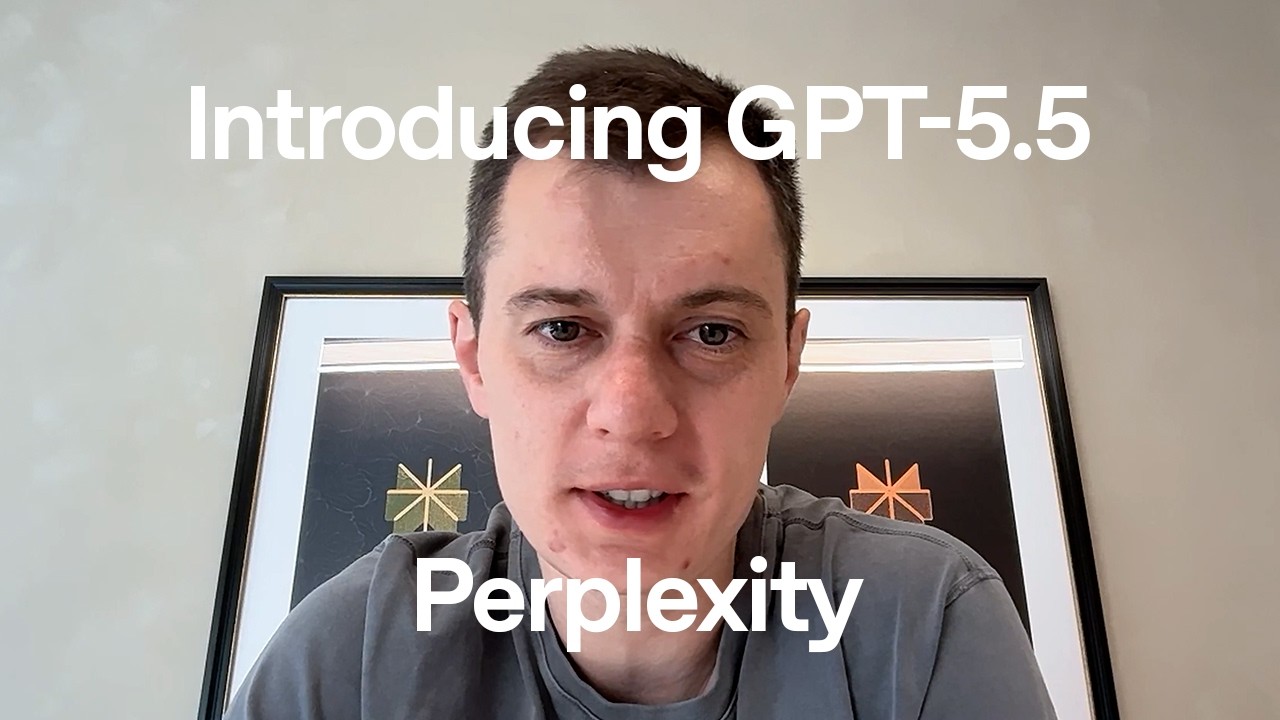
The video showcases the interface of the generated dashboard, which displays metrics like median, P95, and average merge times, along with monthly trends and distribution charts. The tool utilized the GitHub CLI to collect a snapshot of repositories and merged pull requests, embedding this data into the dashboard. This approach ensures the deployed application remains fast and avoids the need to expose GitHub credentials in the browser.
Quantifiable Gains: 56% Less Tokens Used
The most striking revelation from Yarats' discussion is the quantifiable improvement in token usage. He noted, "So, it would use 56% less tokens than the previous models." This significant reduction in token consumption is a critical advancement for AI models. Token usage directly impacts computational costs, inference speed, and, consequently, the overall user experience. For applications like Perplexity's, where speed and cost-effectiveness are paramount, such efficiency gains are game-changing.
Yarats further explained that this efficiency not only benefits internal operations but also enhances the user experience. "And there, what we noticed is that it performs the same complicated tasks at a much more efficient rate... which ultimately results in faster feedback for the users." This means that users interacting with Perplexity's services powered by GPT-5.5 can expect quicker responses and more streamlined interactions, without compromising the quality or complexity of the AI's output.
Implications for the AI Startup Scene
The advancements highlighted by Denis Yarats have significant implications for the broader AI startup scene. For companies like Perplexity, which are built around sophisticated AI models, efficiency is a key differentiator. Lower operational costs allow for more competitive pricing, wider accessibility, and the ability to scale more rapidly. Furthermore, the improved performance of models like GPT-5.5 can unlock new use cases and enhance existing ones, driving further innovation.
The ability of GPT-5.5 to handle complex tasks with greater precision and reduced token usage suggests a maturing of large language model technology. This efficiency could democratize access to powerful AI capabilities, making them more feasible for smaller startups with limited resources. As AI models become more efficient, the barrier to entry for developing sophisticated AI-powered products and services is likely to decrease, fostering a more dynamic and competitive startup environment.