

Figma's AI Surge: Revenue Up, Disruption Fears Ease

Figma's revenue surged 46% year-over-year, easing AI disruption fears as 75% of heavy users embrace AI credits.

5 min read
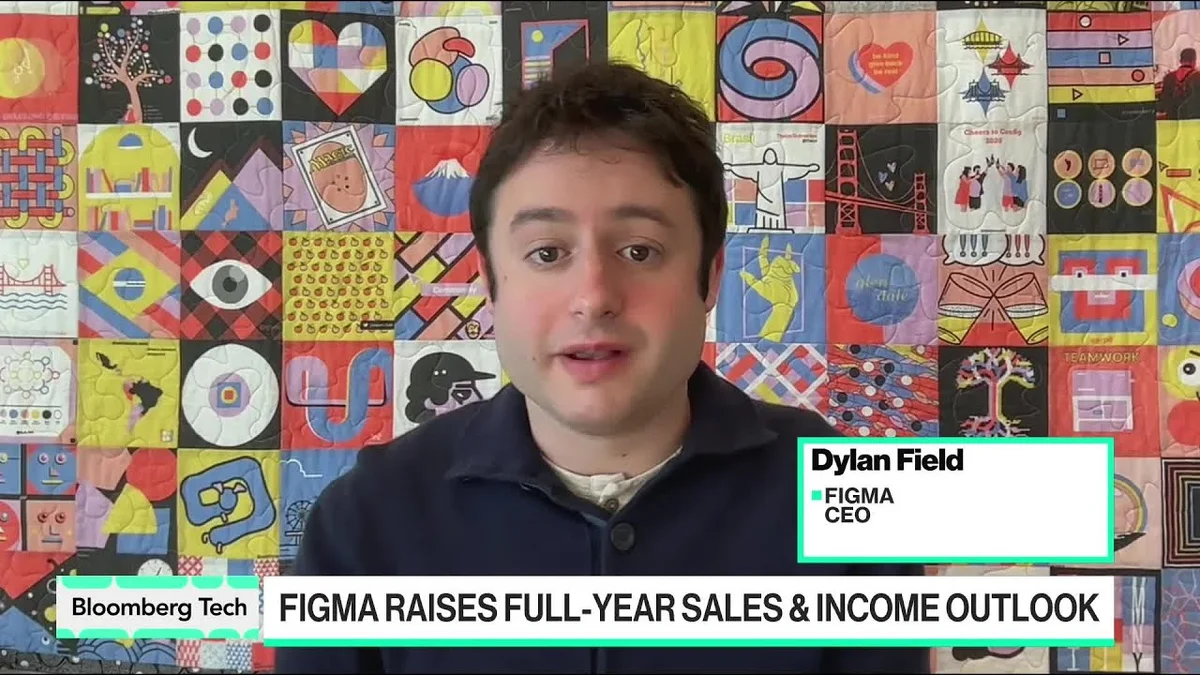
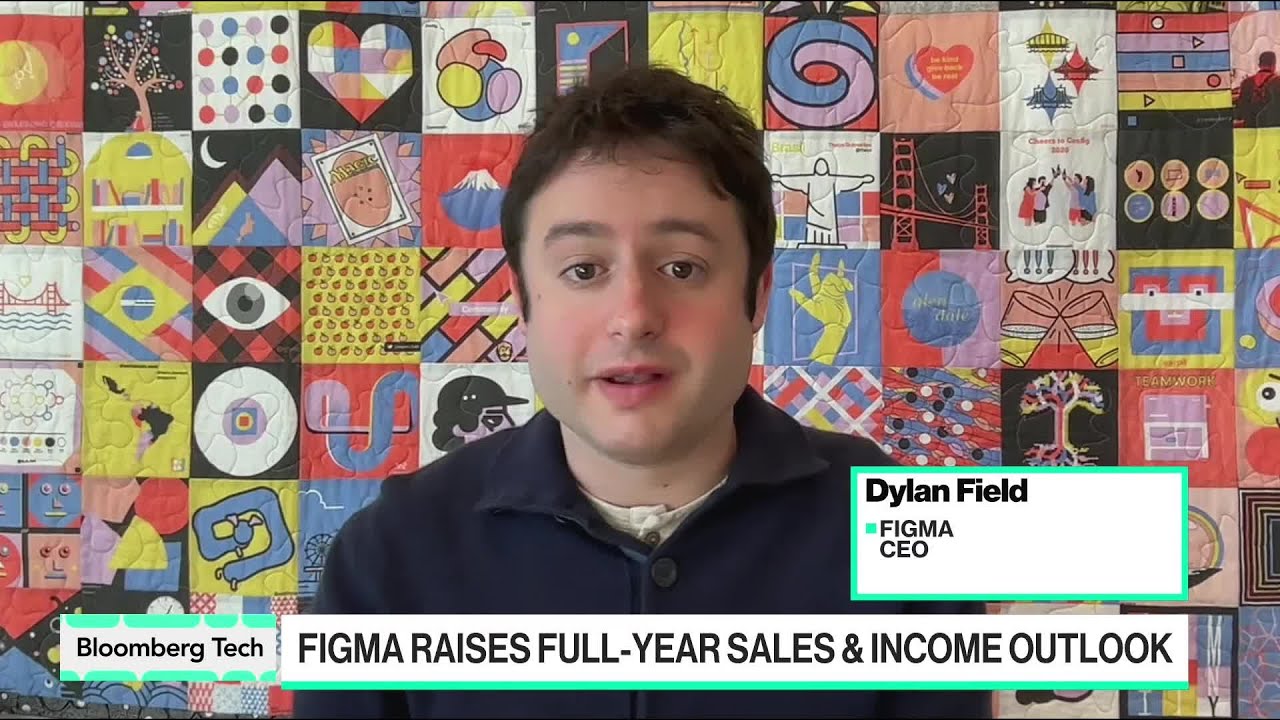
Bloomberg Tech interview with Dylan Field, CEO of Figma.
Image credit: Bloomberg· Bloomberg Technology
Visual TL;DR
AI Integration SuccessDriver
successful integration of artificial intelligence features
From the article 3 mentionsWhile some fear that AI could devalue creative work or lead to job losses, Figma's success suggests an alternative path where AI serves as a co-pilot, augmenting human creativity and productivity.
Figma CEO Dylan FieldCore
From the article 3 mentionsSpeaking on Bloomberg Tech, Figma CEO Dylan Field highlighted the company's positive financial results and the growing adoption of its AI-powered tools.
Figma's Revenue SurgeEffect
From the article 2 mentionsFigma has reported a strong first quarter, with revenue climbing 46% year-over-year to $333 million, surpassing analyst expectations.
User AI AdoptionEffect
75% of heavy users embrace AI credits
From the article 8 mentionsThe company's focus on providing a seamless user experience and demonstrating clear value through its AI features is crucial in building trust and encouraging adoption.
Disruption Fears EaseOutcome
market concerns about potential disruption from AI technologies eased
Strong Customer RetentionEffect
From the articleField noted that the company has seen significant growth in its revenue and a strong retention rate for its customers, with over 10,000 customers now utilizing its advanced features.
Contents(3)

Figma has reported a strong first quarter, with revenue climbing 46% year-over-year to $333 million, surpassing analyst expectations. This robust performance is largely attributed to the company's successful integration of artificial intelligence features, which has helped to quell market concerns about potential disruption from AI technologies in the design space.

Speaking on Bloomberg Tech, Figma CEO Dylan Field highlighted the company's positive financial results and the growing adoption of its AI-powered tools. Field noted that the company has seen significant growth in its revenue and a strong retention rate for its customers, with over 10,000 customers now utilizing its advanced features.

The full discussion can be found on Bloomberg Technology's YouTube channel.

Figma Jumps as Results Ease AI Disruption Concerns - Bloomberg Technology
Figma Jumps as Results Ease AI Disruption Concerns, from Bloomberg Technology

Figma's Financial Strength and AI Integration

The design software giant announced its first-quarter earnings, revealing a significant 46% year-over-year increase in revenue, reaching $333 million. This figure surpassed analyst forecasts, signaling a healthy growth trajectory for Figma. The company's CEO, Dylan Field, emphasized that this growth is partly driven by the successful rollout and adoption of AI-powered features within its platform. These features are designed to enhance productivity and creativity for designers, making complex tasks more accessible and efficient.

User Adoption of AI Features

A key finding discussed in the video is the strong willingness of Figma's user base to embrace and pay for AI-driven functionalities. Field stated that 75% of heavy users are now willing to pay for AI credits, indicating a clear market demand for these advanced capabilities. This suggests that rather than viewing AI as a threat, designers are actively seeking out tools that can augment their workflows. Figma's strategy appears to be focused on embedding AI seamlessly into its existing design tools, allowing users to experiment with and benefit from these new capabilities without a steep learning curve.

The video showcased various applications of AI within Figma, including features that assist in generating design elements, automating repetitive tasks, and even providing creative suggestions. Field explained how these tools are designed to work alongside designers, enhancing their creative process rather than replacing it. The ability to generate different outputs, such as 3D models, images, and text, directly within the Figma environment offers a streamlined workflow for creative professionals.

Addressing AI Disruption Concerns

In an industry where the rapid advancement of AI has sparked debate about job displacement and the commoditization of creative skills, Figma's performance offers a counter-narrative. By demonstrating tangible benefits and revenue growth driven by AI integration, Figma is positioning itself as a leader in adapting to the evolving technological landscape. The company's approach focuses on empowering users with AI tools, enabling them to achieve more and innovate faster. This strategy appears to resonate with both users and investors, as evidenced by the positive financial results and the company's stock performance. Field highlighted that by controlling inputs and delivering valuable outputs, Figma is aligning its AI strategy with the long-term needs of its customers.

The discussion also touched upon the perception of AI's impact on the creative industry. While some fear that AI could devalue creative work or lead to job losses, Figma's success suggests an alternative path where AI serves as a co-pilot, augmenting human creativity and productivity. The company's focus on providing a seamless user experience and demonstrating clear value through its AI features is crucial in building trust and encouraging adoption.

© 2026 StartupHub.ai. All rights reserved. Do not enter, scrape, copy, reproduce, or republish this article in whole or in part. Use as input to AI training, fine-tuning, retrieval-augmented generation, or any machine-learning system is prohibited without written license. Substantially-similar derivative works will be pursued to the fullest extent of applicable copyright, database, and computer-misuse laws. See our terms.