
Cursor's VP of Engineering on Building AI Agent Teams

Cursor's VP of Engineering discusses how AI agents are transforming the SDLC, the crucial role of humans in the process, and the development of specialized AI bots for tasks like security and growth experimentation.

6 min read
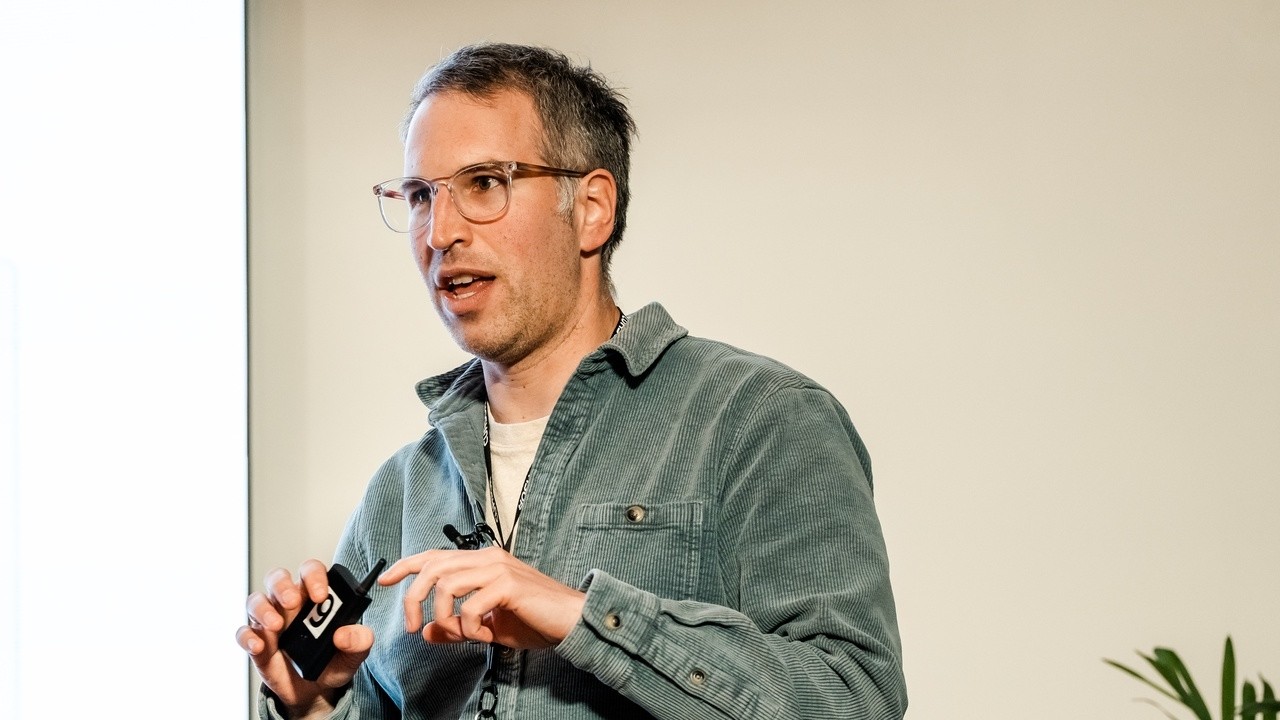
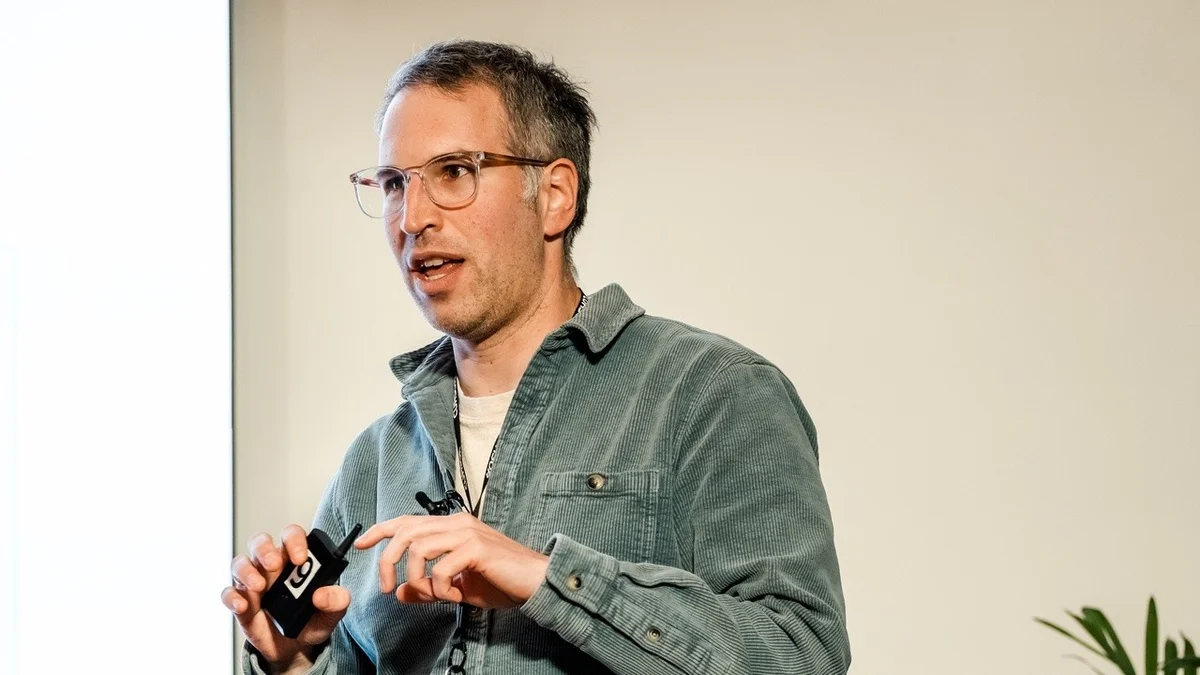
Tido Carriero, VP of Engineering at Cursor, presenting on AI agent teams.
Image credit: Cursor· YouTube

In a recent 'Cursor Conversations: Behind the Build' session, Tido Carriero, VP of Engineering at Cursor, shared insights into the evolving role of AI in software development and the critical challenges of building and managing AI agent teams. Carriero highlighted the dramatic increase in AI-generated code, noting that approximately 60% of enterprise merged commits are now written by agents, a figure that has seen exponential growth.

Cursor's VP of Engineering on Building AI Agent Teams - YouTube
Cursor's VP of Engineering on Building AI Agent Teams — from YouTube

Visual TL;DR. AI Agents in SDLC enables Agent-Driven SDLC. Agent-Driven SDLC features AI Code Generation. AI Code Generation necessitates Human Role Remains Crucial. Agent-Driven SDLC includes Automating Growth Experiments. Agent-Driven SDLC includes Security Bots. Human Role Remains Crucial leads to Evolving SDLC.

Related startups

  1. AI Agents in SDLC: AI agents are transforming the software development lifecycle
  2. Agent-Driven SDLC: Four phases: Plan, Build, Ship, and Retro
  3. AI Code Generation: Approximately 60% of enterprise merged commits are AI-written
  4. Human Role Remains Crucial: Humans review plans, architecture, and provide AI feedback
  5. Automating Growth Experiments: Specialized AI bots for growth experimentation tasks
  6. Security Bots: Development of specialized AI bots for security tasks
  7. Evolving SDLC: Continuous evolution of software development with AI agents
Visual TL;DR
Visual TL;DR — startuphub.ai AI Agents in SDLC enables Agent-Driven SDLC. Agent-Driven SDLC features AI Code Generation. AI Code Generation necessitates Human Role Remains Crucial. Human Role Remains Crucial leads to Evolving SDLC enables features necessitates leads to AI Agents in SDLC Agent-Driven SDLC AI CodeGeneration Human RoleRemains Crucial Evolving SDLC From startuphub.ai · The publishers behind this format
Visual TL;DR — startuphub.ai AI Agents in SDLC enables Agent-Driven SDLC. Agent-Driven SDLC features AI Code Generation. AI Code Generation necessitates Human Role Remains Crucial. Human Role Remains Crucial leads to Evolving SDLC enables features necessitates leads to AI Agents in SDLC AI agents are transformingthe software developmentlifecycle Agent-Driven SDLC Four phases: Plan, Build,Ship, and Retro AI CodeGeneration Approximately 60% ofenterprise merged commitsare AI-written Human RoleRemains Crucial Humans review plans,architecture, and provideAI feedback Evolving SDLC Continuous evolution ofsoftware development withAI agents From startuphub.ai · The publishers behind this format
Visual TL;DR — startuphub.ai AI Agents in SDLC enables Agent-Driven SDLC. Agent-Driven SDLC features AI Code Generation. AI Code Generation necessitates Human Role Remains Crucial. Agent-Driven SDLC includes Automating Growth Experiments. Agent-Driven SDLC includes Security Bots. Human Role Remains Crucial leads to Evolving SDLC enables features necessitates includes includes leads to AI Agents in SDLC AI agents are transformingthe software developmentlifecycle Agent-Driven SDLC Four phases: Plan, Build,Ship, and Retro AI CodeGeneration Approximately 60% ofenterprise merged commitsare AI-written Human RoleRemains Crucial Humans review plans,architecture, and provideAI feedback Automating GrowthExperiments Specialized AI bots forgrowth experimentationtasks Security Bots Development of specializedAI bots for security tasks Evolving SDLC Continuous evolution ofsoftware development withAI agents From startuphub.ai · The publishers behind this format

The agent-driven SDLC

Carriero outlined a vision for an 'agent-driven SDLC' comprising four key phases: Plan, Build, Ship, and Retro. He emphasized that while AI agents are becoming highly proficient in tasks like code generation and architectural explanation, human involvement remains essential. The current challenge, he noted, is to identify which parts of the process humans should still handle, such as reviewing product plans, architectural decisions, and providing crucial feedback to the AI agents.

The Role of Humans in the AI Era

Carriero illustrated this with examples from Cursor's own development process. He described how the company is leveraging AI agents for tasks like triaging issues and identifying security vulnerabilities. However, he stressed the importance of human oversight, particularly in the 'plan' and 'review' stages. For instance, a Product Manager (PM) agent might triage incoming issues, but a human PM is still needed to refine the plans and ensure they align with broader business goals.

Similarly, an Engineering Manager (EM) agent can loop in the relevant engineers for specific tasks, but human judgment is vital for understanding the context and potential implications of changes. Carriero shared an anecdote about a bug report that was initially flagged by an agent but turned out to be a feature request, highlighting the need for human discernment.

Automating Growth Experiments

The conversation also touched on growth experimentation, where AI agents are being used to automate aspects of the experiment lifecycle. Carriero explained how they are synchronizing their roadmap with experiments, using tools like Statsig for A/B testing and Linear for issue tracking. He noted that automating tasks like auditing setup, syncing documentation, monitoring experiment runs, and deciding on the 'winner' of an experiment can significantly increase efficiency.

Security Bots and Automation

Carriero also highlighted the development of specialized agents, such as a 'Security Bot' for auto-patching vulnerabilities. This bot can analyze pull requests, identify potential risks (critical, high, medium, low), and even suggest fixes. He also mentioned an 'Auto Approver Bot' that can automatically approve low-risk commits, freeing up human reviewers for more complex issues. These automations, he explained, are not just about efficiency but also about creating a more robust and secure development process.

The overarching theme was the symbiotic relationship between humans and AI in modern software development. While AI agents can handle repetitive and data-intensive tasks, human expertise, creativity, and critical thinking remain indispensable for driving innovation and ensuring the quality and security of software.

© 2026 StartupHub.ai. All rights reserved. Do not enter, scrape, copy, reproduce, or republish this article in whole or in part. Use as input to AI training, fine-tuning, retrieval-augmented generation, or any machine-learning system is prohibited without written license. Substantially-similar derivative works will be pursued to the fullest extent of applicable copyright, database, and computer-misuse laws. See our terms.