

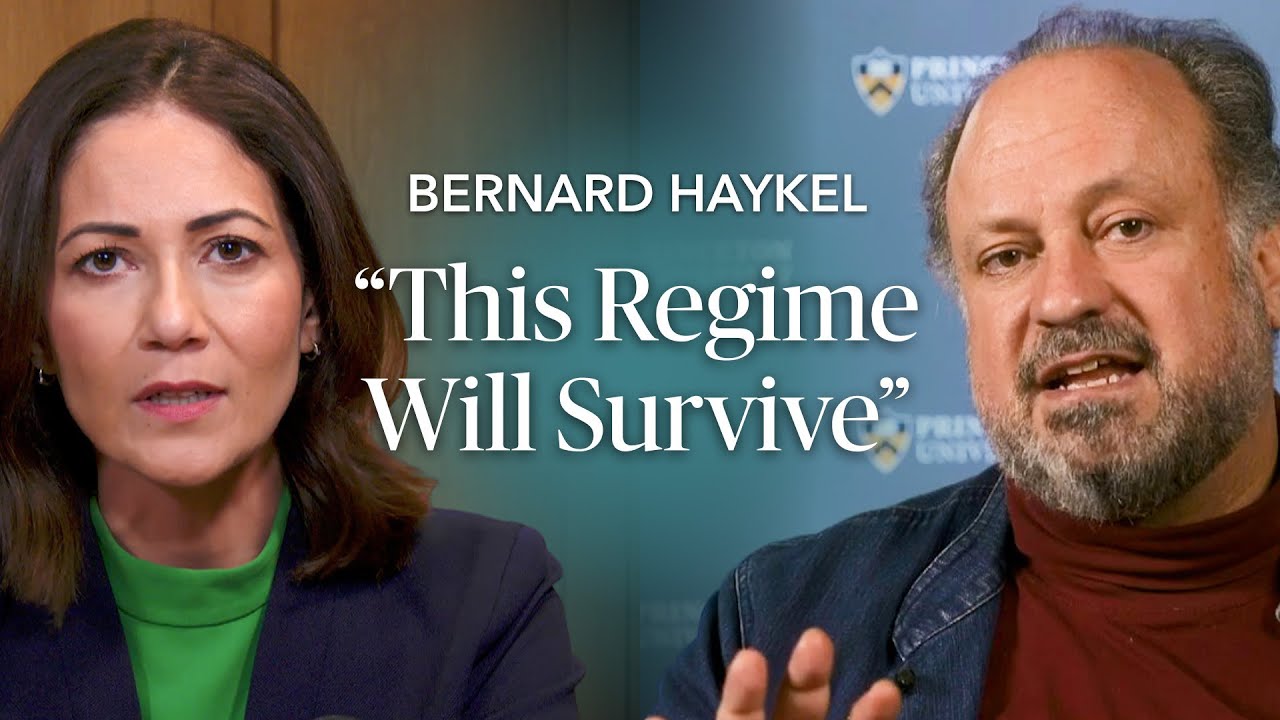
In a recent interview on The Mishal Husain Show, Bernard Haykel, a distinguished Professor of Near Eastern Studies at Princeton University, provided a nuanced analysis of the intricate dynamics shaping the Middle East, with a particular focus on Iran's regional policies and its complex relationship with the United States and Saudi Arabia.
Bernard Haykel's Expertise
Professor Haykel is a renowned scholar specializing in the politics, history, and societies of the Middle East. His extensive research and decades of experience in the region provide him with a deep understanding of the cultural, religious, and political forces at play. His insights are particularly valuable in deciphering the motivations and strategies of key players in a volatile geopolitical landscape.
Iran's Dual Foreign Policy Approach
Haykel articulated that Iran's foreign policy operates on a dual track. On one hand, the regime exhibits aggressive tendencies, engaging in actions that challenge regional stability and international norms. On the other hand, there is a discernible caution against direct military confrontation, especially with powerful actors like the United States. This duality suggests a calculated approach, aiming to advance its interests while mitigating the risks of outright conflict.
The full discussion can be found on Bloomberg Podcast's YouTube channel.
Scenarios for Iran's Future
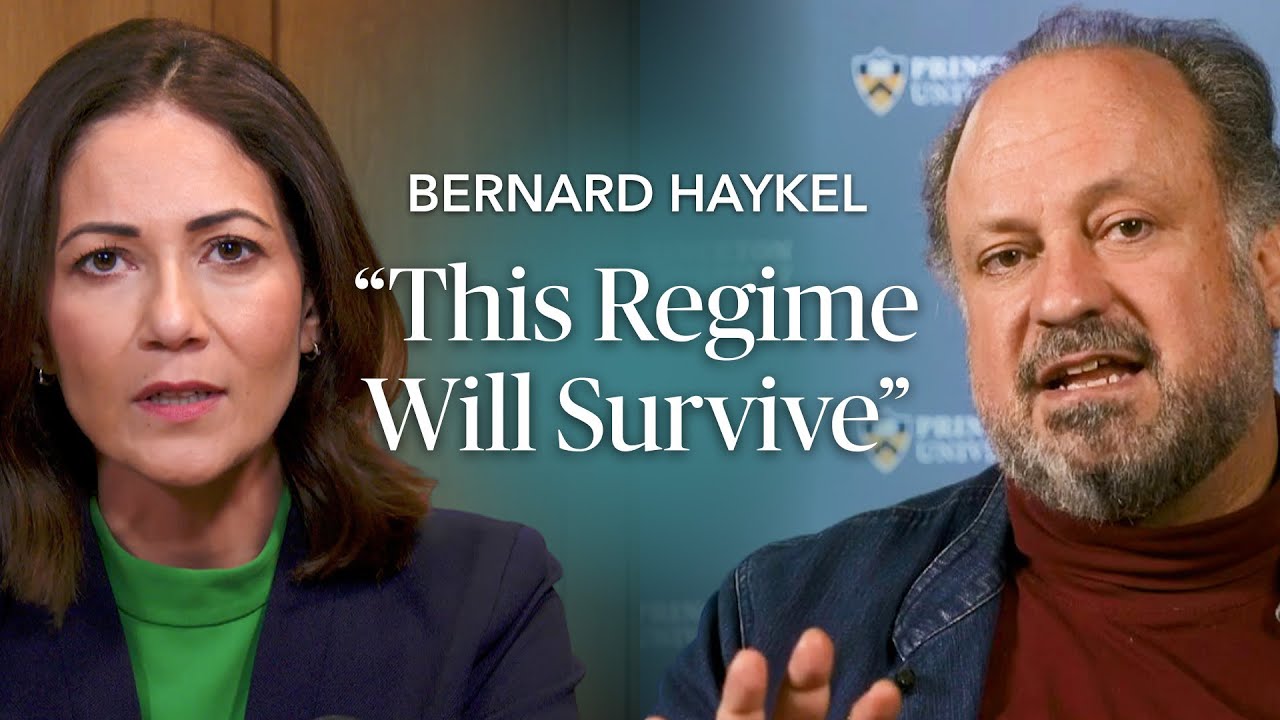
Haykel outlined three principal scenarios for the future trajectory of Iran:
- Regime Survival and Consolidation: In this scenario, the current revolutionary leadership would manage to maintain its grip on power, potentially consolidating its influence and continuing its existing policies, albeit with internal adjustments.
- Reformist Shift: This scenario envisages a potential internal shift towards a more reformist approach, possibly driven by popular demand or a change in leadership, leading to a moderation of foreign policy and a greater engagement with the international community.
- Collapse and Chaos: The most volatile scenario, this involves the potential breakdown of the existing political order, leading to internal instability, regional power vacuums, and widespread chaos. Haykel suggested that while this scenario carries significant risks, it is a possibility that cannot be entirely discounted.
Regional Dynamics and Saudi-UAE Concerns
The discussion also touched upon the strategic positioning of Saudi Arabia and the United Arab Emirates (UAE) in relation to Iran. Haykel noted that both nations harbor significant concerns about Iran's regional ambitions, particularly its support for proxy groups and its pursuit of nuclear capabilities. However, he also pointed out that these Gulf states recognize the potential for widespread instability if Iran were to experience a complete internal collapse. This creates a delicate balancing act for them, as they simultaneously seek to counter Iranian influence and prevent a destabilizing power vacuum.
The Role of the United States
Haykel also commented on the complex role of the United States in the region. He suggested that while the US maintains a strategic alliance with Saudi Arabia and the UAE, its approach to Iran has been a subject of ongoing debate and adjustment. The US seeks to deter Iranian aggression and nuclear proliferation while also being mindful of the broader regional implications of any direct military confrontation.
Personal Insights and Future Outlook
Haykel's analysis of the Iranian leadership, particularly Crown Prince Mohammed bin Salman, highlighted his pragmatic approach to foreign policy. Despite the ideological differences and historical tensions, Haykel suggested that MBS understands the necessity of pragmatic engagement and the need to avoid unnecessary conflict. He noted that MBS's focus on domestic economic reforms and diversification aligns with a desire for regional stability, even as Iran's actions present a persistent challenge.
In conclusion, Bernard Haykel's insights underscore the complexity of Middle Eastern geopolitics, where regional rivalries, domestic politics, and international relations are deeply intertwined. His analysis provides a valuable framework for understanding the current dynamics and potential future scenarios in this critical region.
