

AI is Changing Software Development Lifecycles

Goldman Sachs CIO Marco Argenti and other experts discuss how AI is transforming software development, shifting from experimentation to integrated workflows.

4 min read
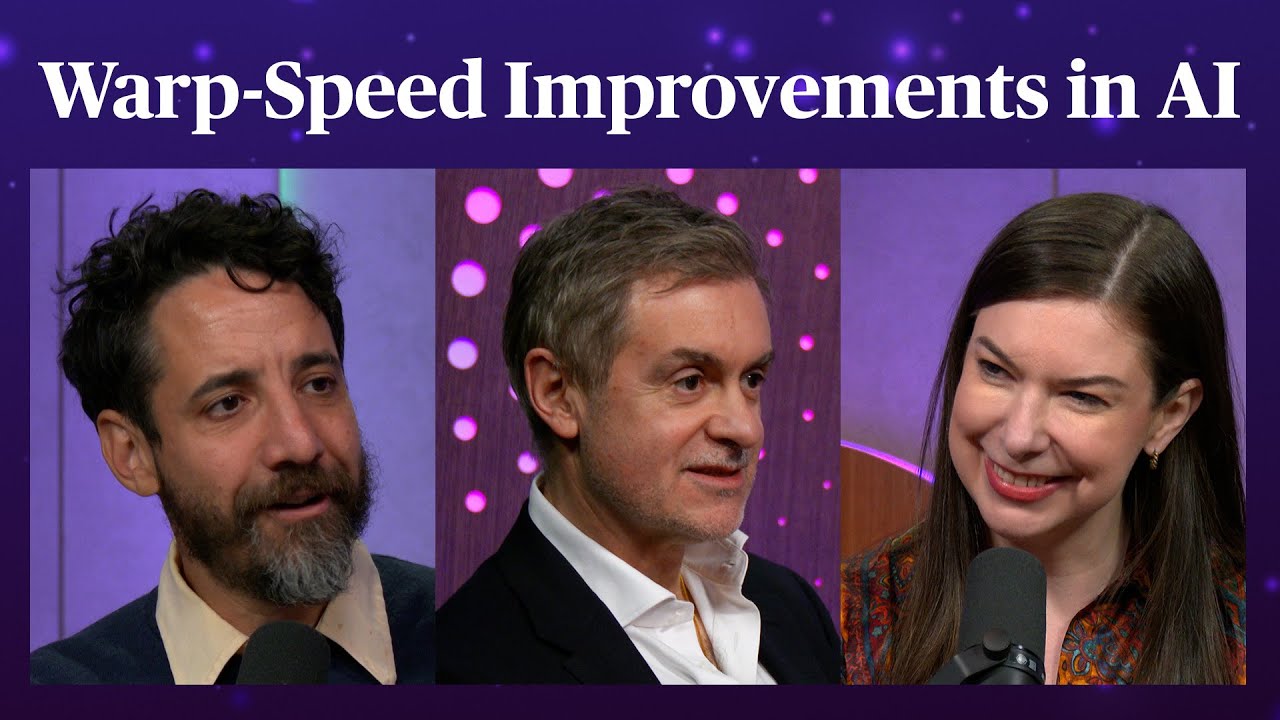
Marco Argenti, Chief Information Officer at Goldman Sachs, speaking into a microphone.
Goldman CIO Marco Argenti on the Warp-Speed Improvements in AI | Odd Lots — Bloomberg Podcast on YouTube

In a recent discussion on the Bloomberg Odd Lots podcast, AI leaders and technologists highlighted a significant shift in how Artificial Intelligence is being integrated into the software development lifecycle. The conversation, featuring Joe Weisenthal and Tracy Alloway, along with Marco Argenti, CIO of Goldman Sachs, underscored the evolution from early-stage experimentation to widespread, practical application of AI tools.

The Shift from Experimentation to Integration

The rapid proliferation of generative AI tools, particularly large language models like ChatGPT, has accelerated the adoption of AI across various industries. This has led to a noticeable change in how companies approach AI integration. Initially, many organizations were in an exploratory phase, "playing around" with AI to understand its capabilities. However, the conversation revealed a clear trend towards embedding AI into established workflows and leveraging it for tangible business outcomes.

Marco Argenti, Chief Information Officer at Goldman Sachs, shared his perspective on this evolution. He noted that while companies were initially focused on the novelty and potential of AI, the current phase is about demonstrating real-world value and ROI. This involves moving beyond simple tasks and looking at how AI can fundamentally change processes and drive efficiency.

The full discussion can be found on Bloomberg Podcast's YouTube channel.
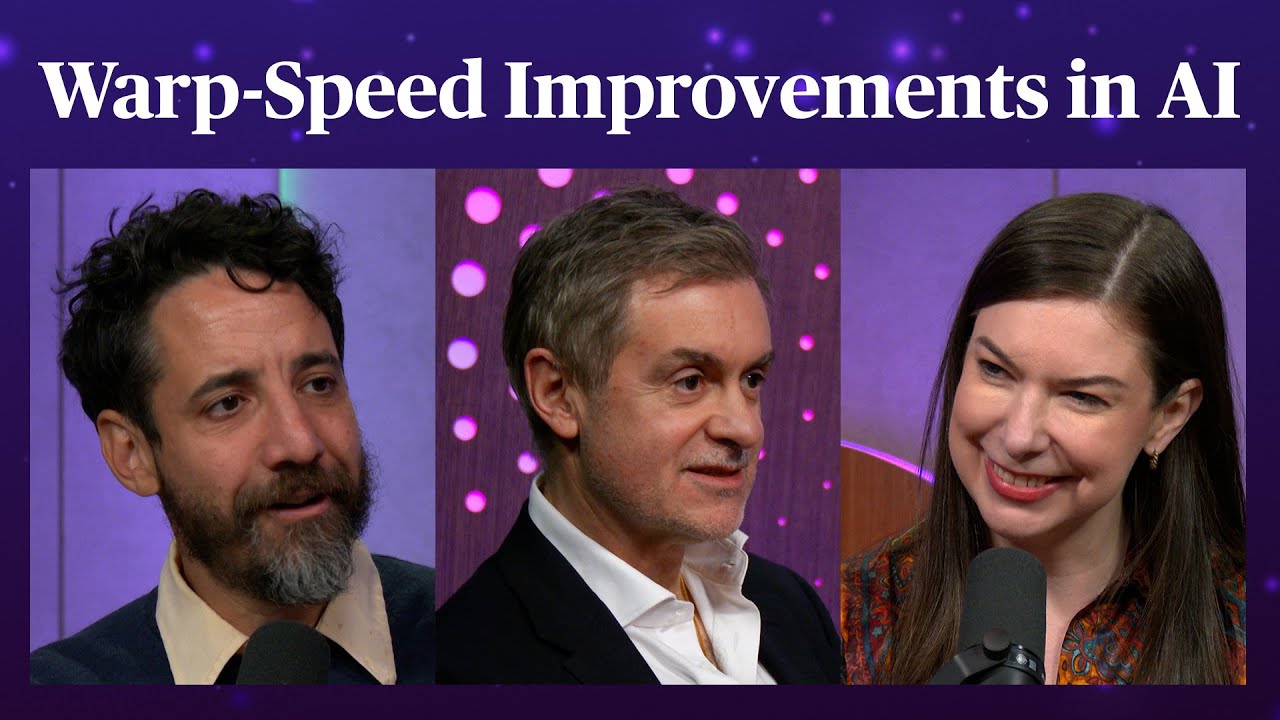
Goldman CIO Marco Argenti on the Warp-Speed Improvements in AI | Odd Lots - Bloomberg Podcast
Goldman CIO Marco Argenti on the Warp-Speed Improvements in AI | Odd Lots — from Bloomberg Podcast

AI Agents and the Future of Development

A key theme that emerged was the increasing sophistication of AI tools, moving beyond simple chatbots to more capable "agents" that can perform complex tasks. The discussion touched upon how AI is expected to handle more intricate aspects of the software development lifecycle, such as code generation, testing, deployment, and monitoring. This implies a future where AI not only assists developers but actively participates in the development process, potentially automating significant portions of it.

The conversation emphasized that the focus is shifting from generic AI assistants to specialized agents designed for specific tasks or industries. For instance, AI tools are being developed to assist with complex financial modeling, customer service, and even creative processes. This specialization allows AI to deliver more targeted and effective solutions.

The Importance of Data and Implementation Strategy

While the capabilities of AI models are rapidly advancing, the discussion also highlighted the critical importance of data quality and a robust implementation strategy. Argenti stressed that even the most advanced AI models are only as good as the data they are trained on. Therefore, companies need to focus on curating high-quality, relevant data to ensure accurate and reliable AI outputs.

Furthermore, the success of AI integration hinges on a well-defined strategy. This involves not just adopting the technology but also understanding how it fits into existing business processes and how it can be integrated to deliver measurable results. The ability to explain AI's reasoning and ensure its outputs are understandable and actionable is also crucial for widespread adoption and trust.

The Evolving Role of Developers

The integration of AI is not about replacing human developers but rather augmenting their capabilities. The consensus was that AI tools will automate many of the repetitive and time-consuming tasks, freeing up developers to focus on more strategic and creative aspects of their work. This could include designing complex architectures, solving challenging problems, and innovating new solutions.

The discussion also touched upon the need for developers to adapt and learn new skills to effectively leverage AI tools. Understanding how to prompt AI models, interpret their outputs, and integrate them into workflows will become essential skills for software engineers in the coming years.

Challenges and Future Outlook

Despite the rapid progress, several challenges remain. The conversation alluded to the need for greater explainability in AI models, ensuring that their decision-making processes are transparent and understandable. Additionally, addressing potential biases in AI outputs and ensuring responsible AI development are critical concerns.

Looking ahead, the trend towards AI integration in software development is expected to accelerate. Companies that effectively harness the power of AI will likely gain a significant competitive advantage. The ability to move beyond experimentation and to strategically implement AI across the entire software development lifecycle will be key to success in this rapidly evolving landscape.