


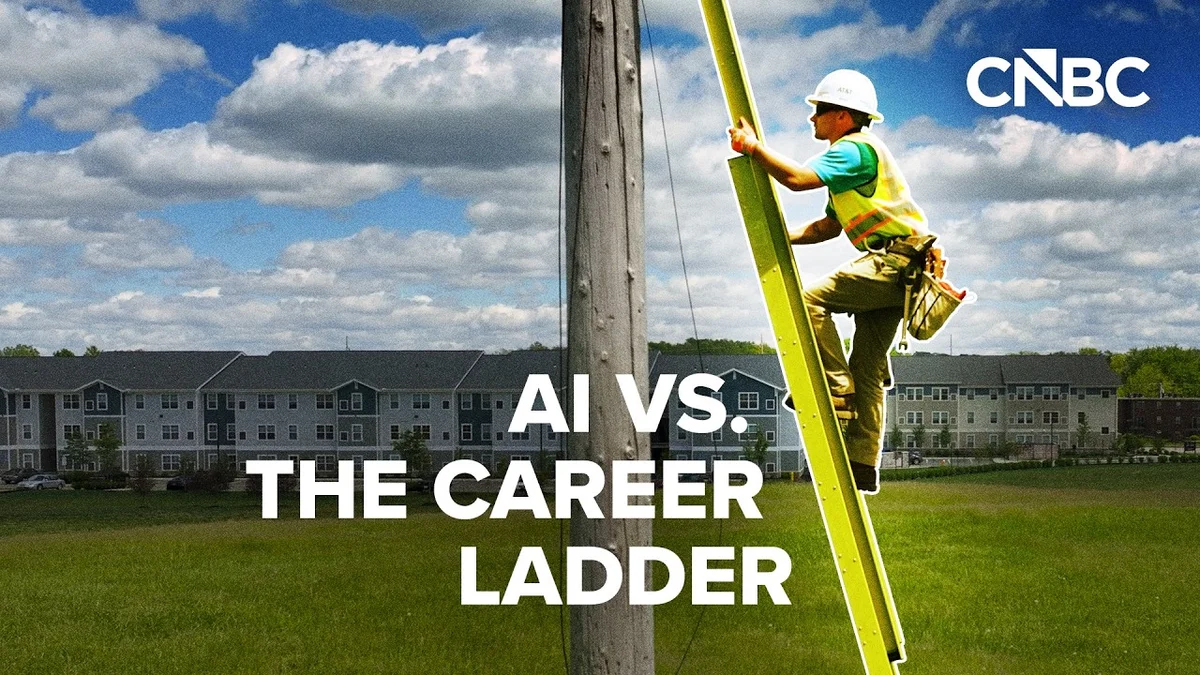
The rapid advancement of artificial intelligence is reshaping the job market, creating new career paths and increasing demand for skilled trades. As AI technologies become more integrated into various industries, the need for individuals who can build, maintain, and operate the underlying infrastructure is growing. This shift is leading to a reevaluation of traditional educational pathways, with a greater emphasis on hands-on skills and vocational training.
The AI-Driven Demand for Infrastructure
The proliferation of AI, data centers, and sophisticated digital networks requires a robust physical infrastructure to support it. This includes the installation and maintenance of fiber optic cables, which are critical for transmitting the vast amounts of data that AI systems rely on. Companies like AT&T Inc. (NYSE:T) are at the forefront of this expansion, actively seeking to fill roles that connect communities and businesses to high-speed internet.
A New Career Ladder: Beyond the Four-Year Degree
The video highlights the career of Kyson Cook, a 24-year-old premises technician for AT&T. Cook's journey illustrates a significant trend: the growing importance of skilled trades that do not necessarily require a four-year college degree. While he initially pursued a college education, he found it unfulfilling and ultimately transitioned to a hands-on role. Cook's experience suggests that the AI economy is creating opportunities for individuals who prefer practical, on-the-job learning and skill development.
The Value of Skilled Trades
The demand for skilled technicians is not unique to telecommunications. Industries reliant on AI and advanced technology are experiencing similar shortages. For example, the construction sector faces a significant shortfall of workers, including electricians, who are essential for building and maintaining the infrastructure that powers modern society. The video implies that these roles offer competitive salaries and benefits, making them an attractive alternative to traditional white-collar professions.
Addressing the Skills Gap
AT&T, recognizing the need to bridge this skills gap, is investing in training programs and apprenticeships. CEO John Stankey stated that the company is actively recruiting and training technicians, recognizing that a significant portion of their workforce does not require a four-year degree. This approach emphasizes the acquisition of practical skills through hands-on experience and mentorship, creating a viable career path for those who may not have followed a traditional academic route.