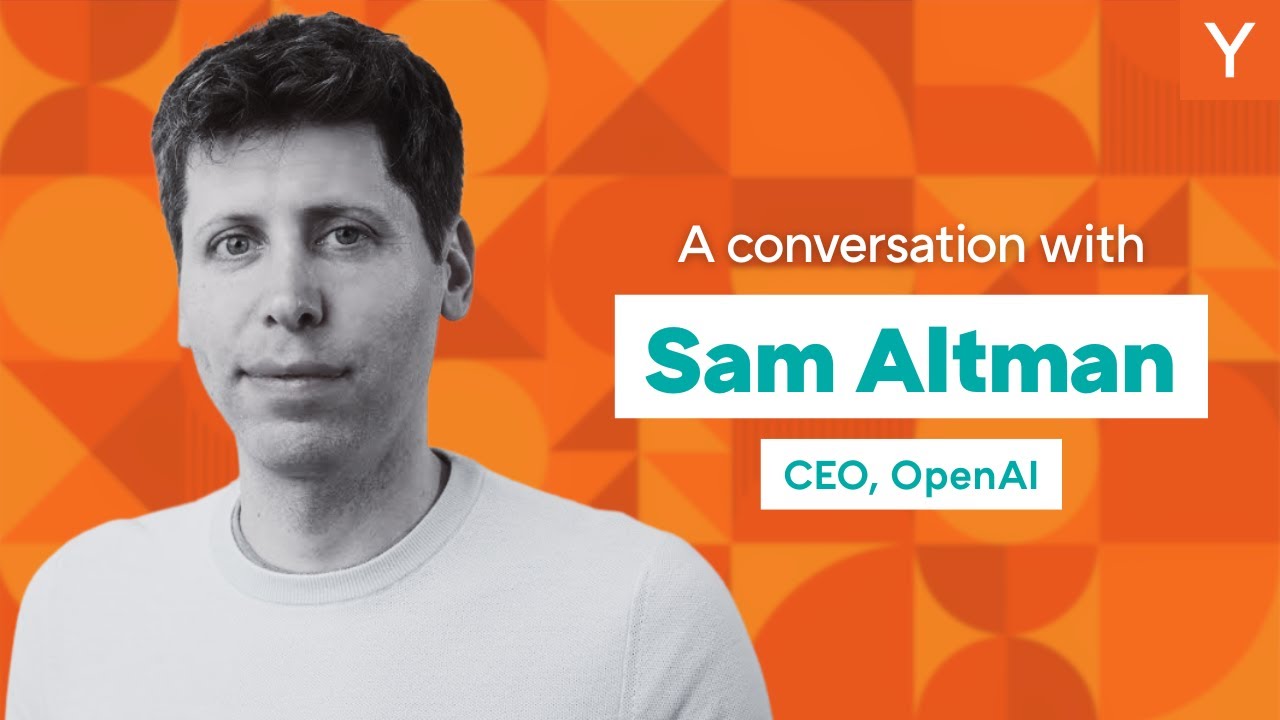
"This is the best fucking time ever in the history of technology, ever, period, to start a company." This bold declaration from Sam Altman encapsulates the palpable excitement and unprecedented opportunity he believes the current AI revolution presents. His perspective, shared from the epicenter of this transformation, offers a potent blend of historical reflection and audacious foresight for the startup ecosystem.
Sam Altman, CEO of OpenAI, recently engaged in a fireside chat at AI Startup School in San Francisco with Garry Tan, President & CEO of Y Combinator. The conversation spanned the improbable origins of OpenAI, the rapid evolution of its flagship products like ChatGPT and GPT-4o, and Altman’s vision for future AI hardware and human-computer interaction, offering invaluable insights for founders and tech leaders alike.
OpenAI's very genesis was an act of profound conviction against overwhelming odds. Altman recounted how, during 2015 discussions, the pursuit of Artificial General Intelligence (AGI) seemed a "pipe dream," with competitors like DeepMind impossibly far ahead and no clear product or revenue path. "99% of the world thought we were crazy," he stated, emphasizing the sheer improbability of their early ambition. It was a "coin-flippy" decision, requiring a core group of individuals to simply commit to the audacious endeavor.
The rapid advancements in AI since then have opened up vast, unexplored territories. Altman highlighted what he terms "product overhang", the significant gap between what current models are capable of and the applications developers have yet to build. He sees this as a monumental opportunity, especially as the cost of running powerful models continues to plummet. This fertile ground is where new, impactful companies will emerge, building what’s missing rather than replicating existing solutions.
The evolution of AI interaction is another key area of focus. Altman expressed particular enthusiasm for ChatGPT's memory feature, viewing it as a crucial step towards the "Her" vision of a personalized AI companion. "Memory is my favorite feature that we've launched this year... It points to where we will hopefully go with the product, which is you will have this like entity that gets to know you, that connects to all your stuff, and that is like proactively helping you." Such seamless, intuitive interaction promises to redefine our relationship with technology.