

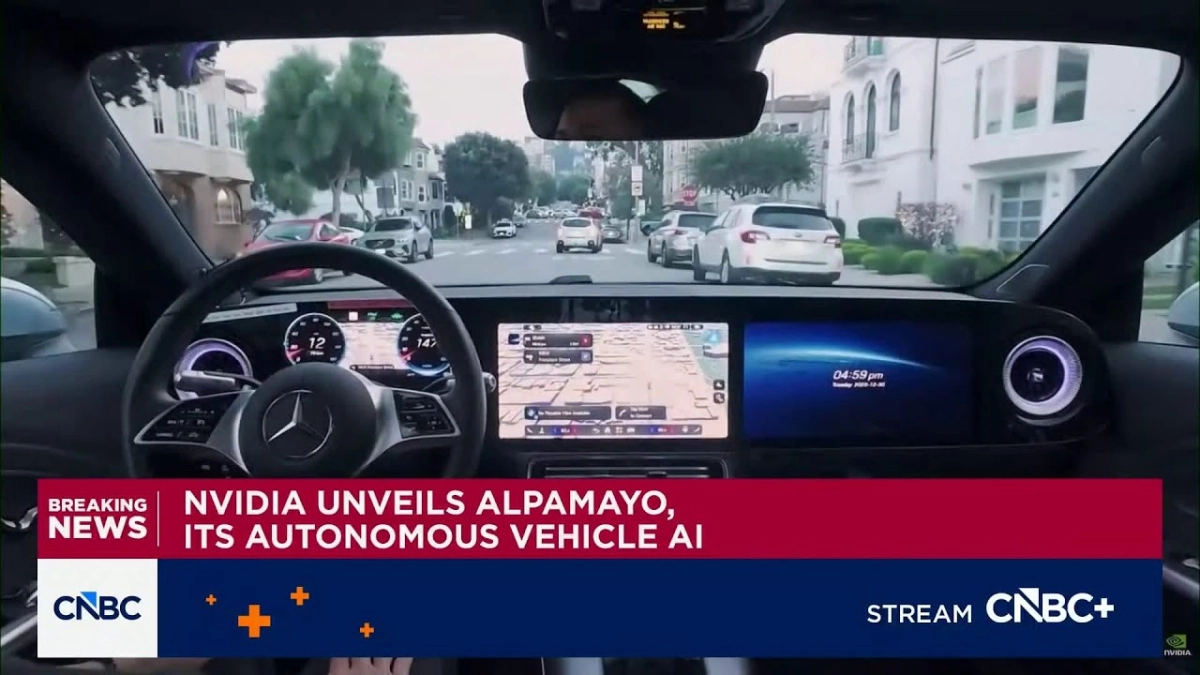
Nvidia is no longer just selling raw power; it is selling efficiency and ecosystem lock-in. This shift was the central, unspoken thesis of CEO Jensen Huang’s keynote address at CES, reinforcing the company's indispensable role in the global artificial intelligence infrastructure buildout. The announcements positioned Nvidia not merely as a hardware provider, but as the foundational platform dictating the economics and capabilities of future AI systems.
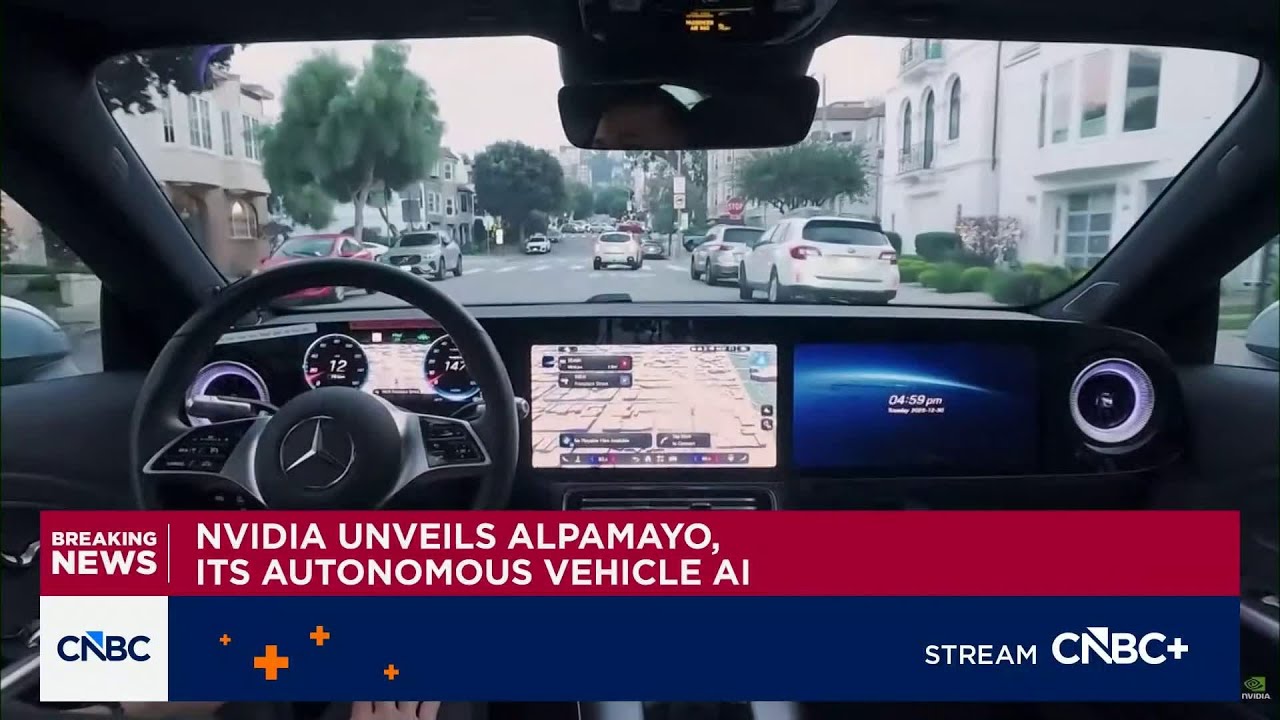
CNBC correspondent John Fortt spoke with host Melissa Lee following Huang’s presentation, offering immediate commentary on the two major revelations: the Vera Rubin chip architecture and the Alpamayo autonomous vehicle AI platform. The discussion centered on how these products reinforce Nvidia’s market lead by reducing operational costs and enabling deeper AI reasoning capabilities, a necessary evolution as generative AI matures and autonomous systems face complex, real-world challenges.
The most significant hardware reveal discussed by Fortt was the Vera Rubin architecture, the successor to the highly successful Blackwell platform. Fortt noted that this next-generation technology is already "in full production" and aims to drastically improve the economics of large-scale AI deployment. For the venture capital community and founders grappling with the high cost of inference, this announcement signals a critical relief valve. Huang is delivering a profound improvement in computational efficiency, which translates directly into lower operating expenses for AI services.
Fortt highlighted the key performance metric shared by Nvidia: "ten times lower inference token cost versus Blackwell." This is not merely an incremental speed bump; it is a fundamental improvement in price performance, crucial for hyperscalers and AI startups running massive inference loads. The argument presented by Nvidia to the ecosystem is straightforward: the new chips might be expensive, but the return on investment, the "bang that you get for the buck", is exponentially better than the current generation.
Nvidia is actively engineering its ecosystem to facilitate seamless upgrades. Huang has designed these systems to be "backward compatible," making it "relatively easy to swap in the latest generation for the old one," Fortt explained. This design strategy minimizes friction for existing partners, strengthening the gravitational pull of the Nvidia platform. The CEO of Runway, an AI video partner, reportedly attested to this ease, saying they were able to transition their tests with Vera Rubin "in a day."