

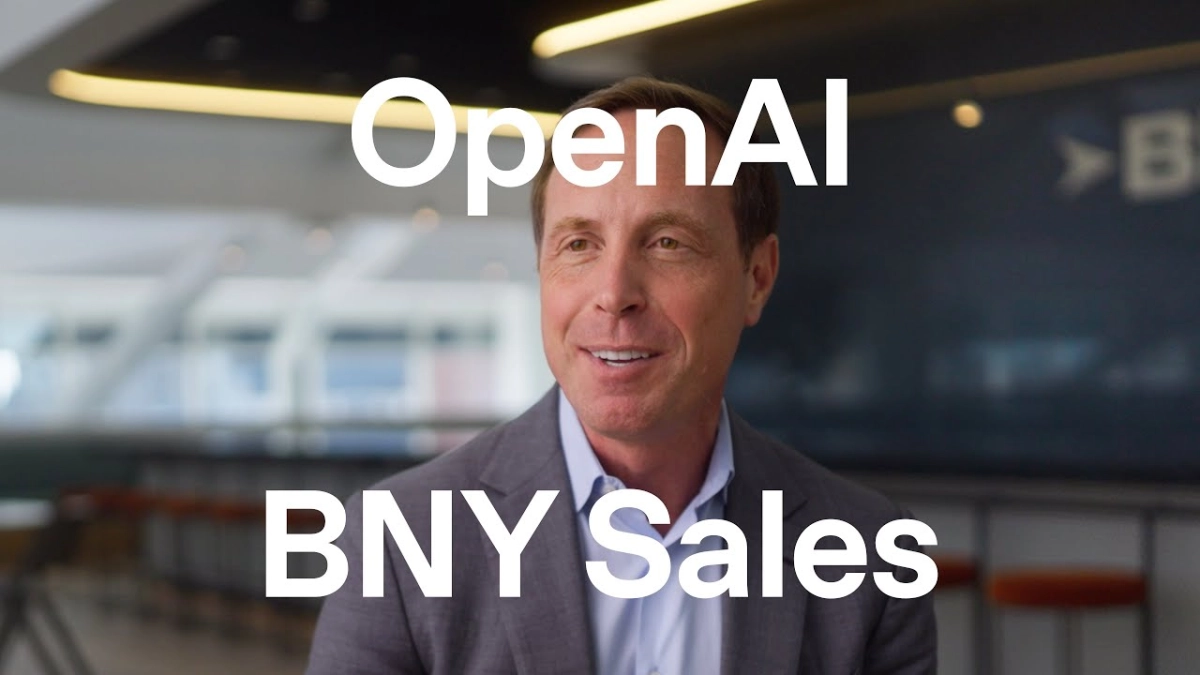
The integration of advanced generative AI within highly regulated financial services organizations is no longer a theoretical exercise; it is delivering quantifiable, transformative results. BNY Mellon, one of the world’s largest custodial banks, has achieved a 60% reduction in the time required for client plan preparation through the deployment of its internal large language model (LLM) platform, Eliza. This efficiency gain is not merely a cost-cutting measure; it fundamentally reallocates human capital, shifting highly compensated sales advisors from tedious research and document compilation toward high-value client engagement.
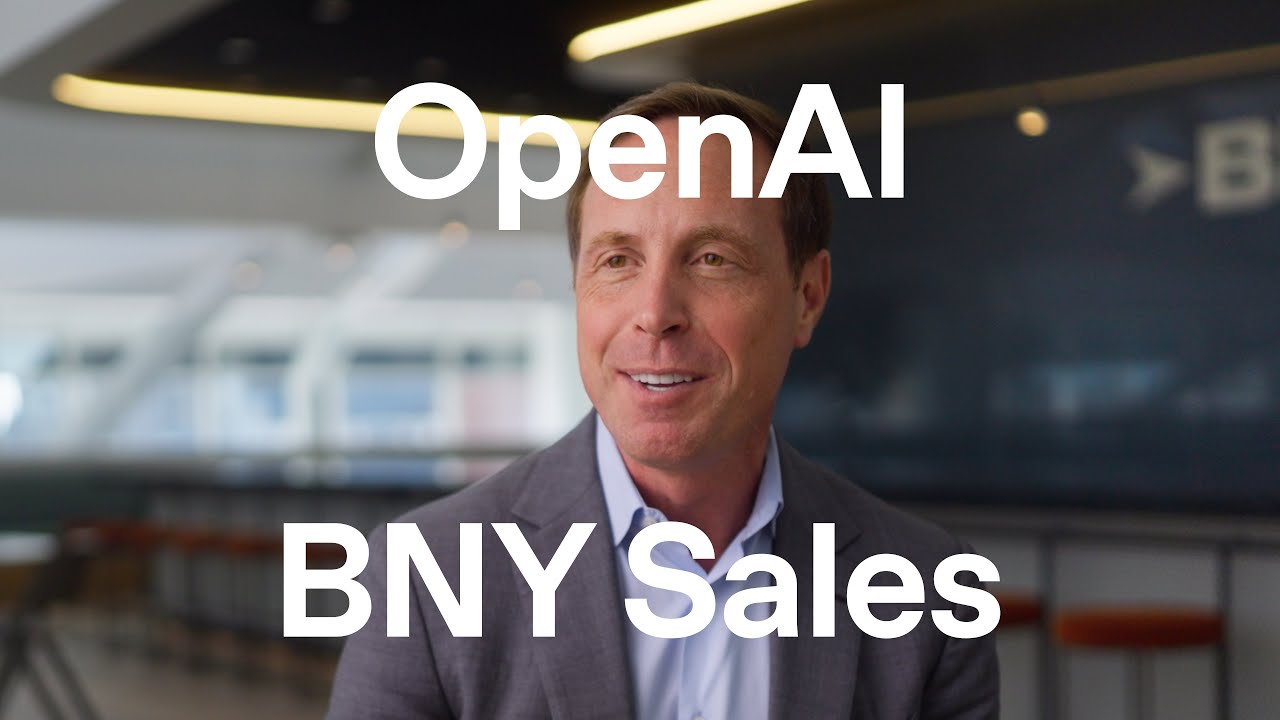
In an interview detailing the partnership with OpenAI, Ed Fandrey, BNY Mellon's Global Head of Sales, and Sarthak Pattanaik, Chief AI & Data Officer, spoke about the strategic mandate driving the deployment of Eliza. The core topic was how this specialized, proprietary platform, built atop OpenAI’s foundational models, is enabling widespread AI enablement across BNY Mellon's 50,000-plus employees, fundamentally changing the velocity and quality of client interactions, particularly within sales and coverage teams.
For financial institutions, the challenge of leveraging external LLMs lies in balancing the need for cutting-edge performance with strict fiduciary requirements regarding data security and domain specificity. BNY Mellon addressed this by creating Eliza, an agentic AI platform designed to operate securely within their ecosystem, trained not just on public data but on vast internal, real-time datasets and proprietary research. This architecture ensures that the output is both relevant and compliant, a critical distinction when moving AI tools from experimental labs into client-facing roles.
The most compelling metric highlighted by Fandrey is the profound time compression achieved in synthesizing complex client information. Previously, preparing a comprehensive account plan required significant manual effort, aggregating disparate data sources, market research, and internal documentation. Now, Eliza automates this synthesis, providing a robust, up-to-date client profile and action plan almost instantaneously. "We are seeing a 60% decrease in the amount of time it takes to put that plan together," Fandrey confirmed. This massive time saving is directly injected back into the client relationship, allowing advisors to focus on strategic advice rather than administrative groundwork.
The strategic value of Eliza extends beyond mere speed. The platform transforms static documents into "living documents," constantly updated with real-time market data, regulatory changes, and competitive intelligence. This capability allows coverage teams to pivot rapidly during client conversations. When a client expresses interest in a specific financial instrument or market trend, the advisor can instantly query Eliza to generate bespoke talking points and supporting data, ensuring discussions are timely and highly relevant.