

Beyond the Hype Partners Group CIO Anastasia Amoroso Identifies Top Sectors Outside of AI

4 min read
Beyond the Hype Partners Group CIO Anastasia Amoroso Identifies Top Sectors Outside of AI

In an environment constantly saturated with geopolitical noise and market volatility, the ability to discern durable economic drivers from transient headlines is paramount. Partners Group Chief Investment Strategist Anastasia Amoroso emphasized the necessity of employing a rigorous filter for investment decisions, noting that much of the daily political drama should be tossed into a "discard pile of things, of headlines," allowing investors to focus on what truly moves the needle: fundamentals. This sharp perspective, delivered during a recent appearance on CNBC’s Closing Bell Overtime, framed her discussion on the market outlook for 2026, highlighting sectors poised for growth that extend well beyond the entrenched dominance of the artificial intelligence trade.

While AI remains the undeniable pillar of current market excitement—a theme Amoroso certainly validates—she argued that the real opportunity lies in identifying parallel, policy-driven, and structurally supportive sectors. Specifically, she pointed to Housing, Defense, and Energy as high-conviction areas expected to deliver significant returns in the coming years. These sectors benefit not only from shifting macroeconomic conditions but also from direct governmental and consumer behavioral shifts that provide tangible tailwinds.


Related startups

The immediate backdrop supporting this selective optimism is the surprisingly robust corporate earnings season. Amoroso pointed out that even in the early innings of reporting, "79% of companies so far are beating earnings," often surprising to the upside by close to six percent. This trajectory suggests that the aggregate earnings growth for the quarter could reach the low-to-mid teens, demonstrating corporate resilience despite inflationary pressures and higher interest rates. This fundamental strength provides a solid foundation, enabling investors to look past short-term geopolitical fluctuations, such as trade conflicts or political posturing, which she correctly identified as having a predictable outcome—negotiation—rather than severe long-term market disruption.

Despite the market's recent broadening, the conversation inevitably circled back to the semiconductor complex and the AI ecosystem. For VCs and founders deeply embedded in the tech space, her assessment offered reassurance regarding the longevity of the current cycle. Amoroso stated plainly: "I think that the artificial intelligence trade is far from over. I think we're early innings and yet the adoption of AI is actually accelerating." Critically, she emphasized that this is not merely a speculative bubble; the benefits are already translating into bottom-line improvements across industries. "The productivity that AI is driving is tangible, so are the cost savings," she added, underscoring that the investment thesis relies on measurable efficiency gains rather than pure speculative enthusiasm.

However, the most compelling non-AI theme presented was housing. Driven by a significant drop in mortgage rates—falling from a peak near eight percent to around 6.2 percent—housing affordability is rapidly improving, making it an investable political and economic theme. The key metric driving this shift is the mortgage-to-income ratio, which has dropped to roughly 30 percent. Amoroso suggested that continued rate declines could push this metric close to converging with the rent-to-income ratio (around 25 percent). She stressed the significance of this convergence: "If we get there, that's what really moves the needle on housing." This potential shift, combined with political pressure to address affordability, suggests that government-sponsored enterprises like Fannie Mae and Freddie Mac may increase their mortgage-backed security purchases, potentially acting as an unstated form of quantitative easing aimed directly at lowering long-term housing costs.

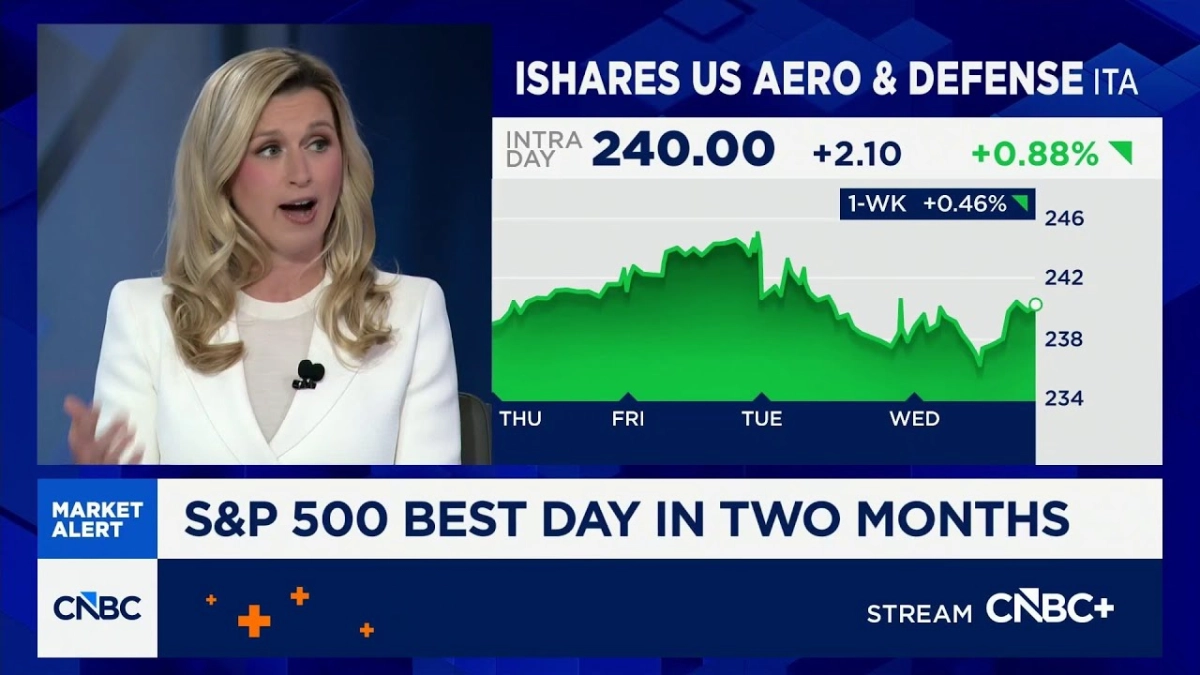
Beyond housing, the other sectors Partners Group favors—Defense and Energy—reflect structural shifts driven by global instability and the energy transition. The necessity for sustained defense spending, given the current geopolitical climate, provides a clear, long-term runway for growth. Similarly, the energy sector is benefiting from the dual need for traditional supply security alongside massive investments in renewable infrastructure, creating investment opportunities across the spectrum.

These themes coalesce around the health of the US consumer, who Amoroso believes will be "front and center" this year. The easing of inflation, particularly falling gasoline prices, combined with tax refunds that could inject nearly one percent of GDP back into the economy, provides a constructive backdrop for consumer spending. This broad-based economic stability, coupled with the continued, measurable impact of AI and targeted policy tailwinds in key sectors, defines the investment landscape. Amoroso’s analysis effectively pivots the focus from merely chasing the biggest tech gains to identifying structural growth opportunities in areas where policy, fundamentals, and necessity align.

© 2026 StartupHub.ai. All rights reserved. Do not enter, scrape, copy, reproduce, or republish this article in whole or in part. Use as input to AI training, fine-tuning, retrieval-augmented generation, or any machine-learning system is prohibited without written license. Substantially-similar derivative works will be pursued to the fullest extent of applicable copyright, database, and computer-misuse laws. See our terms.

