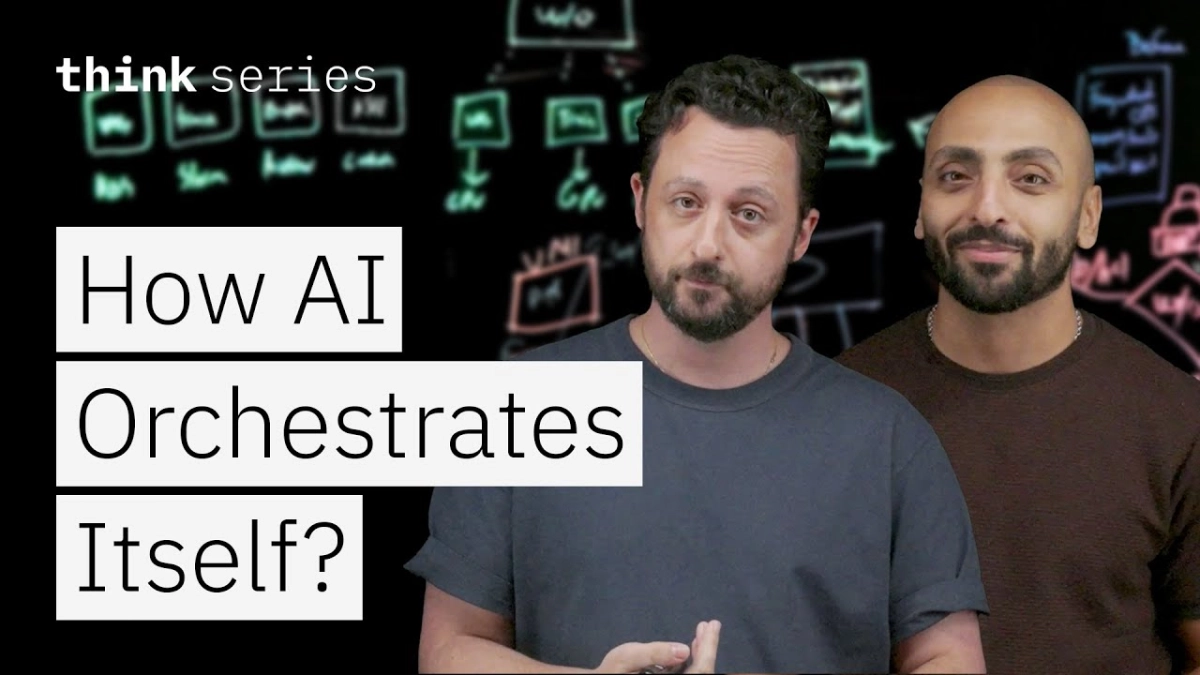
The sheer velocity of AI innovation demands an infrastructure that can adapt, not just scale. At IBM's TechXchange in Orlando, Solution Architect David Levy and Integration Engineer Raafat "Ray" Abaid illuminated the critical need for a paradigm shift in how AI and machine learning workloads are managed, moving beyond the traditional automation paradigms. Their discussion centered on flexible orchestration, a concept promising to streamline complex AI deployments and future-proof enterprise infrastructure.
Ray starkly illustrated the inefficiencies of manual application deployment across virtual machines. "Imagine you need to run application on a fleet of servers," he began, sketching multiple VMs. The process involves logging into each server, deploying the same application repeatedly, and then troubleshooting individually if issues arise. This "very manual process" is not merely time-consuming but inherently prone to human error, particularly in complex, distributed environments.
Workload orchestration emerges as the antidote to this operational friction. Levy emphasized that an orchestrator automates deployment, scaling, and resiliency, handling these critical functions "all automatically." This foundational shift eliminates human intervention, transforming what was once a crisis into "business as usual" when a server fails, as the orchestrator autonomously detects, re-provisions, and restores the workload to its desired state.