


The launch of a $100 million pro-AI super PAC, "Leading the Future," marks a pivotal moment for artificial intelligence, signaling its emphatic entry into the high-stakes arena of American political influence. This substantial war chest, intended to support "AI-friendly" candidates across the political spectrum, has reportedly "irked" the White House, immediately setting a tone of tension and strategic maneuvering. Michal Lev-Ram, Fortune contributing editor, spoke with CNBC's "Squawk Box" about the intricate details surrounding this development, shedding light on the motivations, strategies, and potential implications for the burgeoning AI sector.
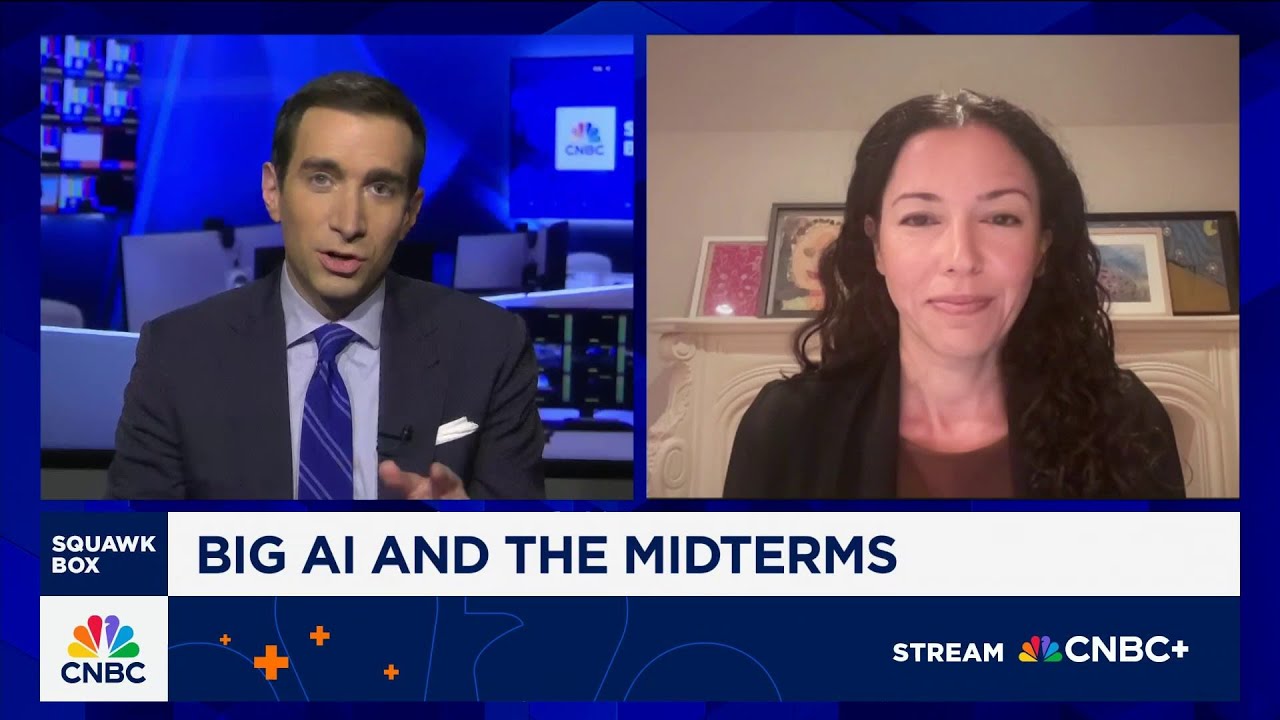
Lev-Ram highlighted the inherent tension between the super PAC's strategy and the White House's approach, yet noted a curious alignment in ultimate goals. The super PAC’s primary objective is to create a "lasting, sustainable federal framework for AI." This ambition, while seemingly aligned with governmental desires for structured oversight, carries the implicit demand for frameworks that foster innovation rather than stifle it. The industry, through this PAC, is clearly attempting to shape the legislative narrative proactively, rather than reactively, a lesson perhaps learned from other rapidly evolving tech sectors.
This aggressive foray into lobbying is not without precedent. Lev-Ram observed that the "Leading the Future" super PAC is "really modeled after what we saw with crypto with the Fairshake Super PAC, which was really, really effective and also took a bipartisan approach." The Fairshake PAC, notably, saw 18 Democrats in the Senate vote for the GENIUS Act, a crypto-friendly piece of legislation, passing "with flying colors." This historical parallel suggests a calculated strategy: to cultivate allies on both sides of the aisle, ensuring that AI’s advancement is not hampered by partisan gridlock.
However, the bipartisan façade may conceal underlying leanings. While the PAC aims for a holistic, bipartisan approach, Lev-Ram shared insights from conversations with donors who indicated a personal preference for supporting Republican candidates. This subtle, yet significant, nuance suggests that while the overarching goal is broad support for AI, the allocation of resources might ultimately reflect a more ideologically skewed distribution, potentially favoring policies that prioritize rapid development and minimal regulatory hurdles. This dynamic could exacerbate existing political divides, even as the PAC outwardly champions unity.
A critical insight into the super PAC's agenda is its fervent opposition to a "patchwork of state laws" and any "moratorium on progress." The tech industry has historically struggled with fragmented state-level regulations, which can create significant operational complexities and hinder nationwide deployment of new technologies. By pushing for a unified federal framework, the PAC seeks to streamline the regulatory environment, ensuring that the U.S. remains globally competitive in AI development. This "AI-first, America-first" agenda underscores a desire to protect domestic innovation from both internal legislative inconsistencies and external competitive pressures.