


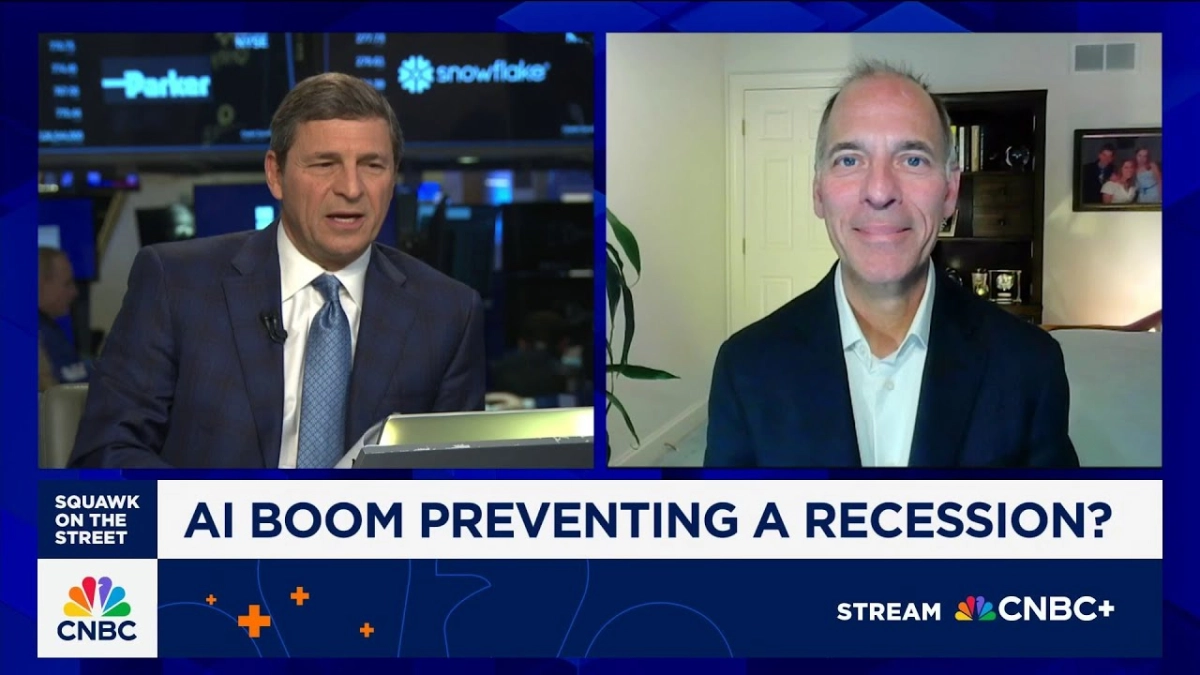
Zandi delineated two primary channels through which the AI phenomenon is currently fueling economic expansion. Firstly, he underscored the "wealth effects generated by the surge in equity prices," explaining that this newfound affluence translates directly into increased consumer spending. The aggregate valuation of publicly traded stock has surged by an impressive $10-11 trillion over the past year. This substantial increase in wealth empowers individuals, particularly high-net-worth investors, to spend more, thereby injecting considerable momentum into the economy. This intuitive connection between perceived wealth and spending is a well-established economic principle, and its current manifestation is undeniably potent.
Beyond the direct impact on consumer behavior, Zandi pointed to the massive investment in AI infrastructure as another critical driver of growth. The sheer scale of capital expenditure dedicated to building and expanding data centers, for instance, is staggering. He cited a compelling statistic: the United States alone boasts approximately 5,500 data centers, overshadowing the 3,500 found across the rest of the world, including China. This unprecedented level of investment signifies a profound commitment to the AI revolution, creating jobs, stimulating manufacturing, and driving demand across various ancillary industries.