

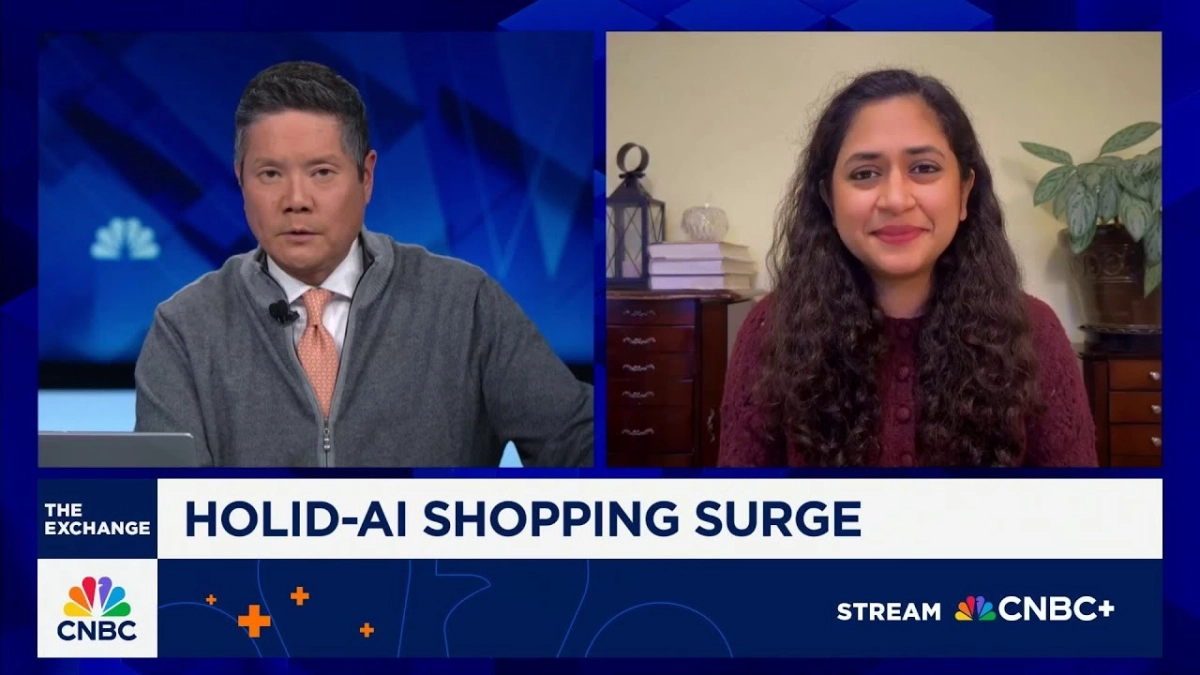
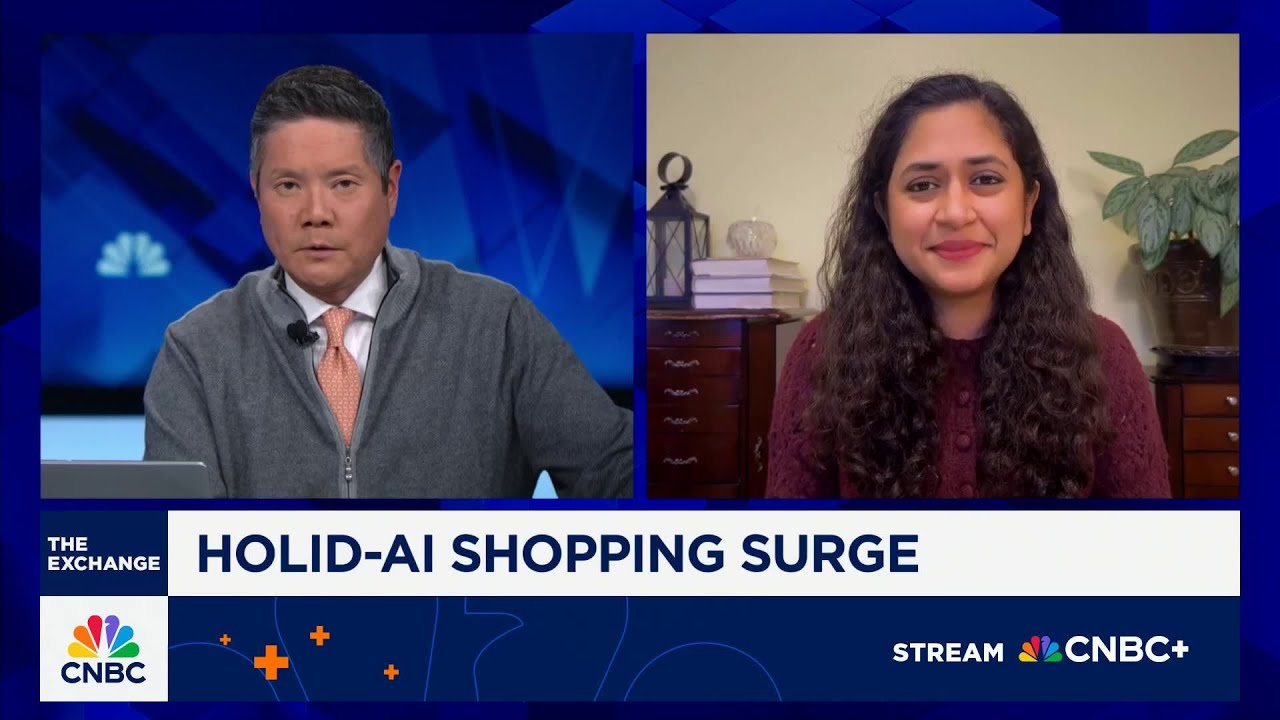
Artificial intelligence is poised to assist over half of consumers with their holiday shopping this season, yet a significant segment, including younger demographics, still prioritizes the irreplaceable human element in the act of gifting. This intriguing dichotomy forms the crux of the latest insights from Simon-Kucher, as discussed by Shikha Jain, their Lead Partner for Consumer and Retail, with Dom Chu on CNBC's "The Exchange." Their conversation unpacked the findings of Simon-Kucher’s 7th annual holiday shopping report, which surveyed 3,000 consumers, revealing both the rapid adoption of AI for practical shopping tasks and persistent reservations about its role in more personal endeavors.
The report’s headline figure, 54% of consumers leveraging AI for holiday shopping support, underscores a clear mainstreaming of this technology. This isn't just a niche trend; it's a significant behavioral shift. Shoppers are turning to AI for functional benefits, primarily for "looking for product reviews and comparisons, searching for the best prices, tracking deals and so on." These applications highlight AI’s immediate value proposition: efficiency and optimization. For the discerning consumer navigating a crowded marketplace, AI acts as a powerful assistant, streamlining the process of finding the best value and most informed choices. This utility-driven adoption suggests that AI is rapidly becoming an indispensable tool for transactional aspects of holiday purchasing, making the search for deals and product information more accessible than ever before.
However, the enthusiasm for AI’s practical applications doesn't universally translate to all facets of holiday shopping. A substantial 46% of consumers indicated they would not be using AI, and their reasons reveal a deeper psychological barrier. A primary concern is a fundamental lack of trust in AI's recommendations, particularly among certain demographics. More profoundly, many shoppers express a desire to maintain personal control over the gifting process. As Jain articulated, they "want to be responsible for the personalization aspect of gifting, which is meant to be more of a connection and relationship thing." This sentiment points to a critical insight: while AI excels at data-driven tasks, it struggles to replicate the emotional nuance and personal investment inherent in selecting a meaningful gift. The act of gifting is often seen as an expression of care, a human connection that many feel an algorithm cannot authentically replicate.
The generational divide in AI adoption further illuminates these trends. Unsurprisingly, younger generations, specifically Gen Z and Millennials, exhibit a greater "affinity towards newer tech" and are more open to integrating AI into their shopping habits. They are digital natives, accustomed to leveraging technology for convenience and information. Conversely, Gen X and Baby Boomers are "a little less likely to be using AI" for their holiday purchases, often citing a lack of familiarity or understanding of how to effectively use the tools. This generational gap is typical for new technologies, but it also hints at varying levels of digital literacy that vendors and platforms must address to broaden AI's reach.
Related Reading
- AI Agents Transform Holiday Shopping into a Transactional Battleground
- AI Fuels Dark Web Sophistication and Holiday Scams
- Agentic AI Rewrites the Rules for Real-Time Sports Fan Engagement
Despite younger generations' higher propensity for tech adoption, even they voice concerns about the "loss of that human touch, that human element." This indicates that the desire for a personal connection in gifting transcends age, suggesting a fundamental human need that current AI models have yet to fully address. For founders and VCs looking to innovate in this space, understanding this inherent human desire for authenticity and connection is paramount. Simply optimizing for price or convenience might not be enough to capture the full spectrum of holiday shopping needs.