

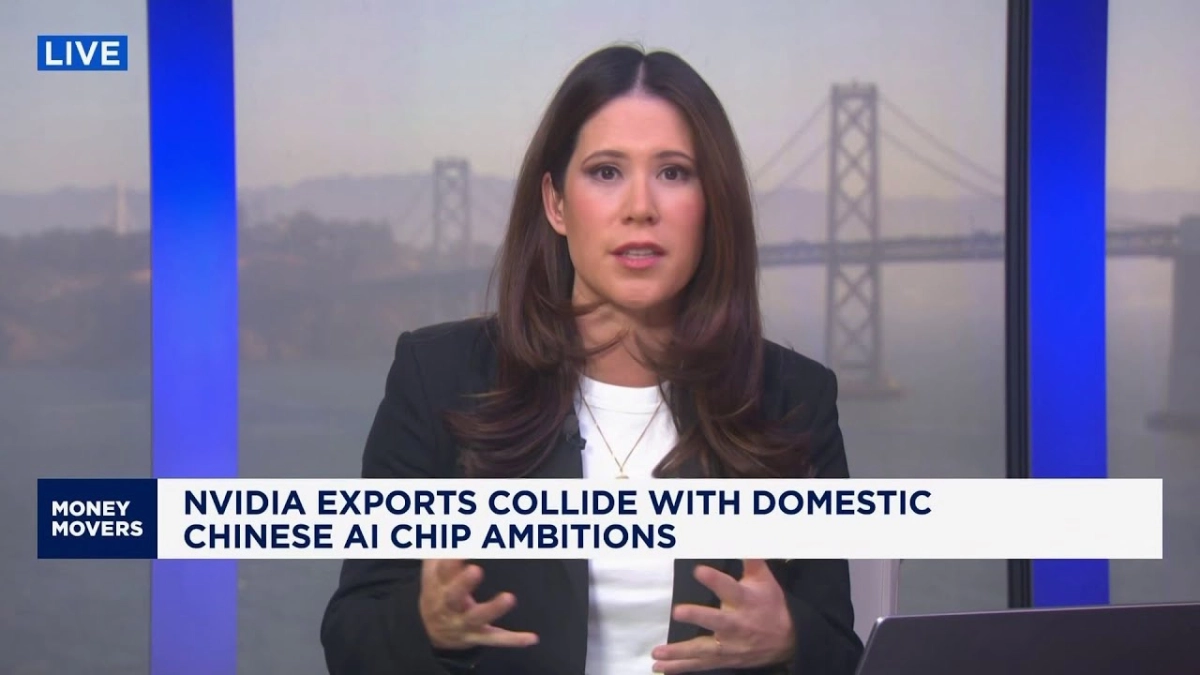
China's relentless pursuit of AI ecosystem dominance faces a profound strategic dilemma, vividly illuminated by recent shifts in U.S. export policy regarding Nvidia chips. This intricate dance of technology and geopolitics, where access to cutting-edge hardware is paramount, reveals a complex bind for Beijing, rather than a clear path forward.
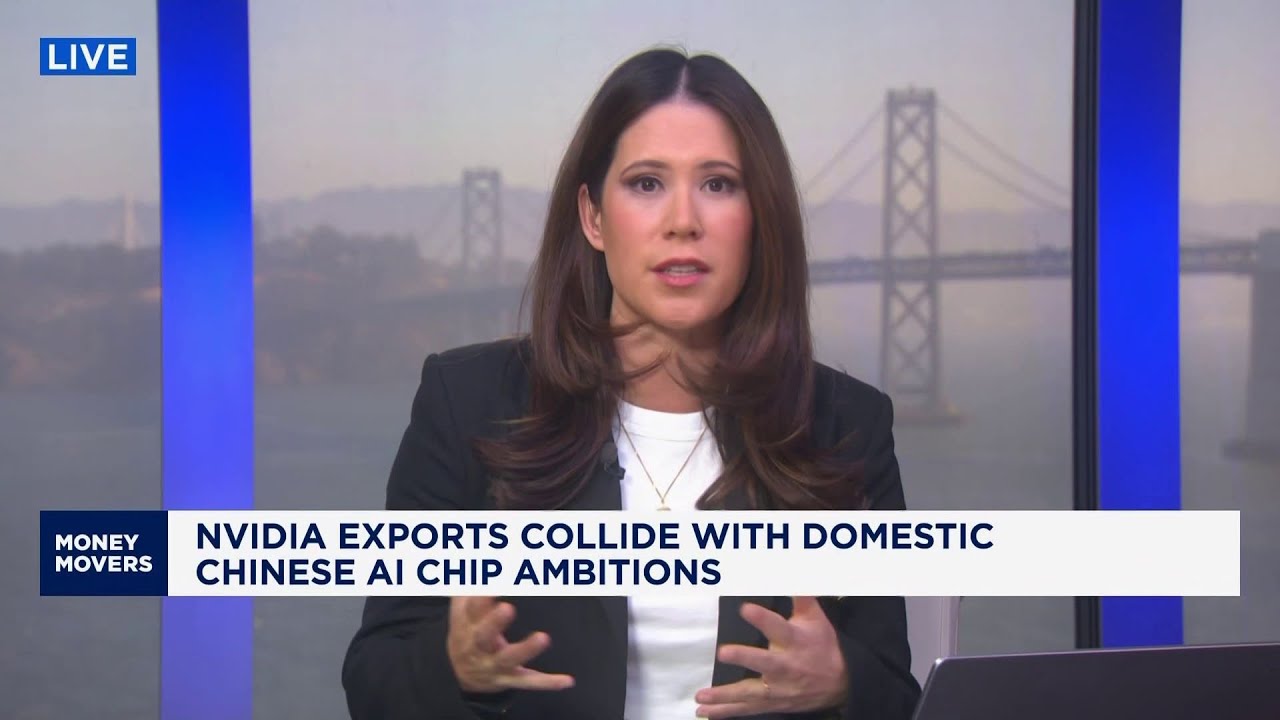
On CNBC’s ‘Money Movers,’ Carl Quintanilla spoke with TechCheck Anchor Deirdre Bosa about China’s accelerating efforts to bolster its domestic AI chip capabilities, set against the backdrop of President Trump easing restrictions on Nvidia exports. The discussion centered on the implications of this policy shift for China's tech giants and its broader ambition to achieve self-sufficiency in critical AI hardware.
Bosa highlighted that despite China's significant investments and aspirations, its domestic chip sector remains considerably behind the technological frontier. Reports indicate that leading Chinese AI firms like ByteDance and Alibaba were quick to seek orders for Nvidia's advanced H200 chips as soon as the export window reopened. This immediate scramble for foreign hardware underscores a critical vulnerability: "This all exposes how far behind China's domestic chip sector still is," Bosa stated, emphasizing the enduring chasm in high-end AI chip development. The reliance on external innovation, even when partially restricted, reveals the arduous journey Beijing faces to cultivate truly competitive indigenous alternatives.
The U.S. policy, rather than simply restricting, places Beijing in a strategic "three-way trade-off that it can't win," as Bosa incisively analyzed. One path involves allowing Chinese companies to purchase Nvidia chips. While this fuels immediate AI development, it simultaneously "hurts momentum behind Beijing’s domestic chip champions," weakening the very companies China is trying to nurture. These domestic players, including firms like Moore Threads, MetaX, Biren, and Enflame, collectively boast a market capitalization approaching $300 billion, yet struggle to match Nvidia’s performance.
The second option, a complete blocking of Nvidia chips, carries an equally severe cost: it risks kneecapping China’s largest AI model builders, stifling their innovation and impeding their global competitiveness. The third, more subtle, risk lies in looking away from the existing grey market for smuggled chips. This approach, Bosa argued, risks ceding regulatory control altogether, undermining Beijing's ability to govern and direct its own technological landscape. Each choice presents a significant drawback, leaving China with no optimal solution in its quest for AI hardware autonomy.