The introduction of ChatGPT Atlas fundamentally redefines the web browser experience, embedding artificial intelligence directly into the user’s workflow rather than confining it to a separate application. This strategic move by OpenAI signals a profound shift, positioning generative AI not merely as a tool for discrete queries but as an ambient, intelligent layer woven into the fabric of all digital interactions. For founders, venture capitalists, and AI professionals, Atlas represents a critical inflection point, challenging established paradigms of user interface and digital productivity.
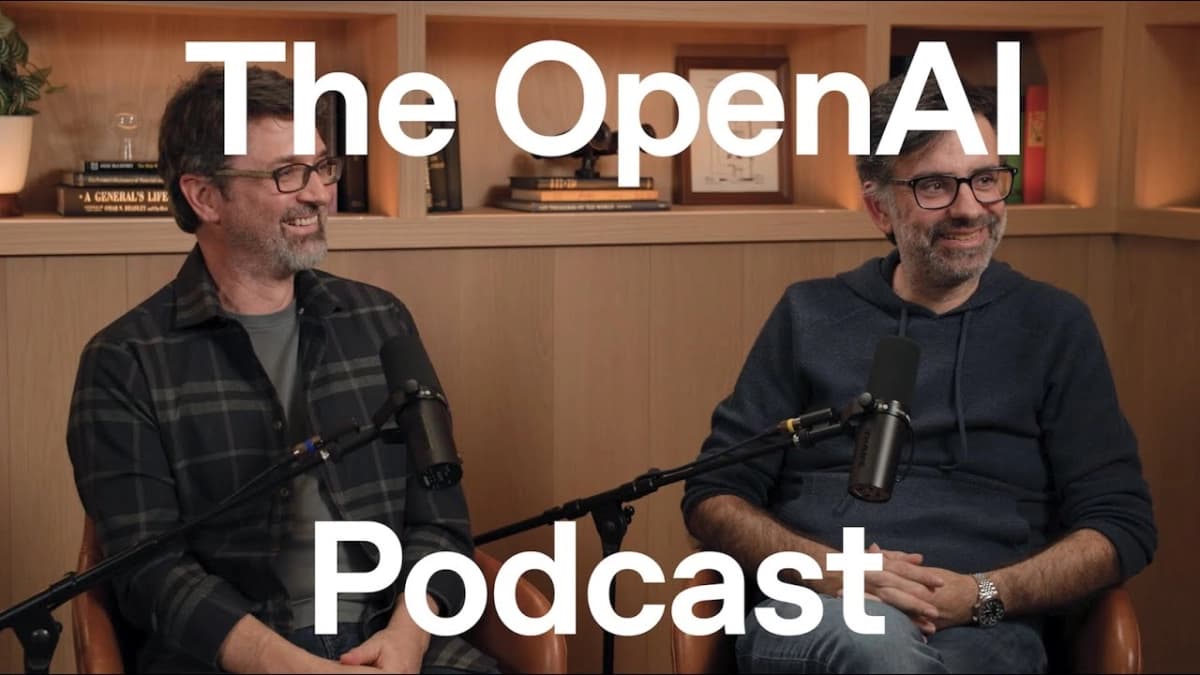
OpenAI recently unveiled its groundbreaking new browser, ChatGPT Atlas, in a succinct demonstration video that showcased its transformative capabilities for a new era of web interaction. The video, titled "Introducing ChatGPT Atlas," directly presented the product's features without a traditional interview format, allowing the technology to speak for itself through compelling use cases. This direct presentation emphasized a future where AI is not just a companion but an active participant in online tasks.
The core innovation underpinning Atlas is its seamless, browser-native integration. Unlike existing AI tools that often necessitate switching between tabs or laboriously copying and pasting content, Atlas operates directly within the browsing window. It comprehends the context of the active page without requiring explicit, repetitive prompts, thereby eliminating significant friction from the user experience. This deep integration allows AI assistance to become truly ambient, always available and relevant to the immediate task at hand. The video highlights this by asserting, "Unlock the web with ChatGPT by your side," underscoring the omnipresent nature of its assistance.
For instance, the demonstration illustrates a user browsing vacation rentals on a website. Instead of opening a new tab to search for local activities, they simply ask Atlas, "Are there good hikes nearby?" Atlas instantly analyzes the page's location data and current content to provide a curated list of relevant, low-to-moderate hiking trails, complete with distances and descriptions. This capability transforms the browser from a passive content viewer into an active, intelligent assistant, proactively enriching the user's information landscape.
Beyond mere information retrieval, ChatGPT Atlas introduces powerful agentic capabilities, enabling it to "Takes action for you," as the video explicitly states. This represents a critical evolution from conversational AI to an AI that can autonomously perform complex, multi-step tasks within the browser environment. This is not just about answering questions; it is about executing directives, a significant leap in the practical application of AI.
The demonstration of adding beach-day essentials to an Instacart shopping cart vividly exemplifies this agentic shift. A user simply articulates, "Heading to the beach with the kids tomorrow! Can you grab the usual beach-day stuff?" Atlas then seamlessly navigates the e-commerce site, searching for appropriate items like highly-rated SPF 50 sunscreen, pickleball paddles, and beach towels, adding them to the cart, and presenting a ready-to-checkout summary. This functionality moves AI from a passive suggestion engine to an active executor of user intent, streamlining complex online transactions.
Another compelling feature highlighted in the demonstration is Atlas's ability to "Picks up where you left off." The browser maintains a persistent memory of past interactions and browsing history, enabling it to proactively assist with ongoing tasks and resume interrupted workflows. This memory function is a critical differentiator, moving beyond ephemeral chat sessions to a more enduring and personalized AI partnership.
The video showcases a user asking Atlas to "Open the Halloween decorations I was looking at last week in some new tabs." The browser promptly retrieves and opens multiple Etsy pages from a previous browsing session, detailing items such as "Garden Skull – concrete outdoor decor" and "Flying Witch Metal Wall Art." This persistent memory across sessions dramatically enhances productivity and personalizes the browsing experience, eliminating the need for users to retrace their digital footsteps.
This deep integration and agentic functionality fundamentally reshape the user experience, particularly for complex, multi-step tasks. Activities that once demanded multiple clicks, separate searches, and manual data transfers are now streamlined into natural language commands, significantly boosting productivity for both personal and professional use. The implication for founders and VCs is clear: a new paradigm of digital interaction is emerging, one where the browser itself is an intelligent co-pilot.
For AI professionals, the advent of Atlas underscores the accelerating trend towards embedded, multimodal AI. The browser effectively acts as a universal interface for AI, blurring the traditional lines between operating systems, discrete applications, and the expansive web itself. This strategic push towards "AI in the loop" directly within the most ubiquitous application—the browser—is a calculated play for market dominance and mindshare. It signifies a future where AI is not an optional add-on but an intrinsic component of computing.
ChatGPT Atlas is currently rolling out to MacOS, with a clear announcement that Windows, iOS, and Android versions are "coming soon." This multi-platform deployment strategy unequivocally signals OpenAI's ambition to establish Atlas as a ubiquitous, foundational layer of interaction across all major computing devices. The potential for disruption to existing browser ecosystems, traditional search engines, and even application interfaces is profound, setting the stage for a competitive re-evaluation of how users navigate and interact with digital information.
Related Reading
- OpenAI Livestream Sends Alphabet Shares Tumbling Amidst AI Browser Wars
- OpenAI, SAG-AFTRA, and Cranston Confront Deepfakes in Generative AI
This is not merely a new browser; it is a declaration of intent. OpenAI aims to own the intelligent interface to the internet.
The product’s overarching vision, as presented in the video, is "A smarter way to explore the web," transforming the internet from a vast, static repository of information into an active, intelligent partner. This evolution positions AI as a core, indispensable component of digital navigation, capable of understanding nuanced user intent and proactively facilitating desired outcomes, moving beyond simple data retrieval to active task completion. The release of ChatGPT Atlas marks a significant milestone in the practical application of generative AI, delivering an integrated, agentic browsing experience that redefines the utility of the web.