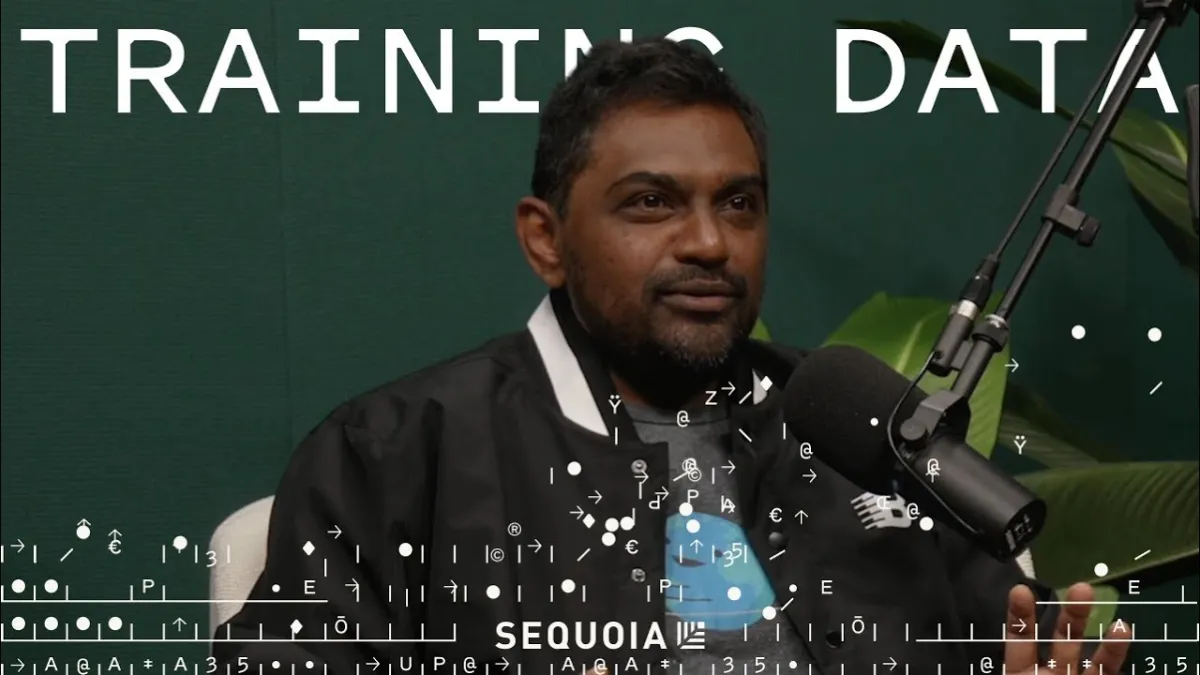
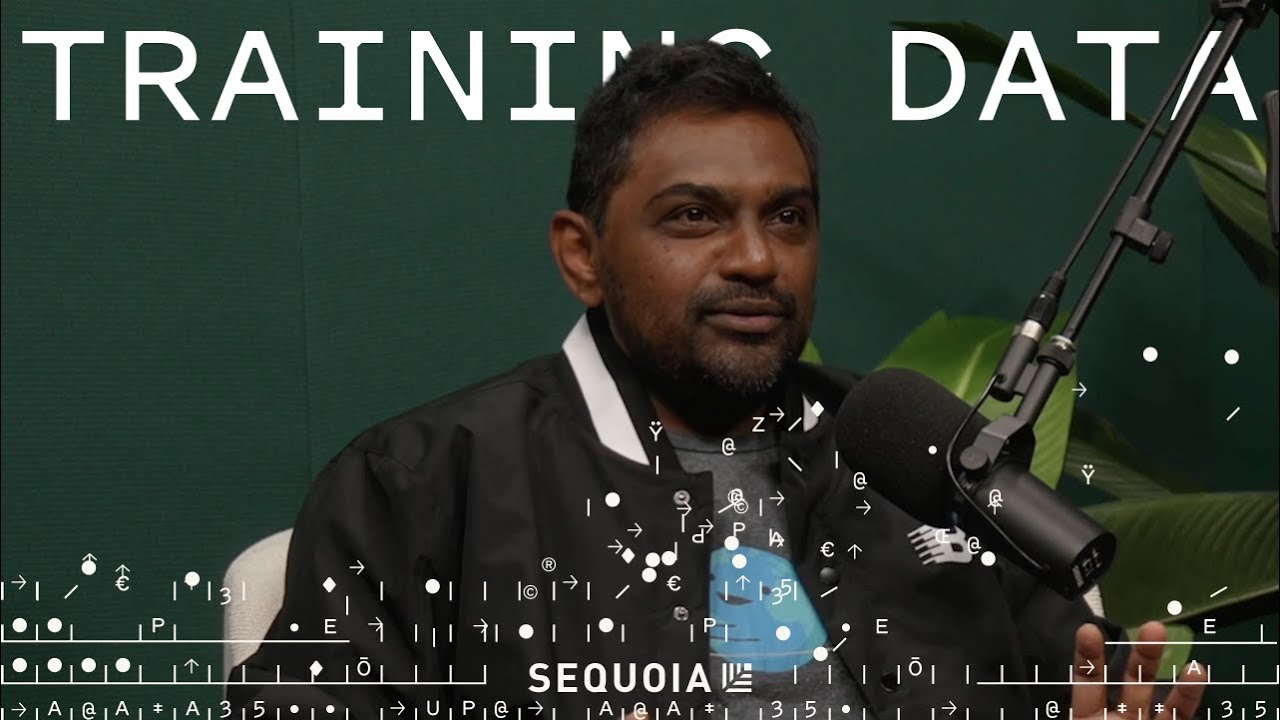
"Like any new technology, it really depends on who is developing it and to what purpose they're putting it," Block CTO Dhanji Prasanna articulated, drawing an analogy to nuclear energy. This perspective, shared during his insightful conversation with Sequoia Capital’s Sonya Huang and Roelof Botha on the "Training Data" podcast, encapsulates Block's pragmatic and proactive approach to artificial intelligence. Far from viewing AI as an existential threat, Block embraces it as a powerful tool to enhance its diverse financial services and technology ecosystem, fundamentally transforming both its products and its internal operations.
Block, known for its Square and Cash App pillars, along with ventures like Tidal (music streaming) and Bitcoin initiatives such as Bitkey and the mining hardware Rig, has long championed technological innovation. Prasanna, whose first commit to Block's GitHub repository dates back to 2011, highlights that the company has consistently been an early adopter of emerging technologies. This forward-leaning stance extends to AI, which Prasanna emphatically states is "good for us" and "good for our customers." The disruption AI brings, he suggests, is only a threat "if we're asleep at the wheel."
The cornerstone of Block's internal AI transformation is Goose, an open-source, extensible AI agent. Goose is designed to automate tasks across various enterprise tools, connecting through what Block calls the Model Context Protocol (MCP). This protocol creates standardized wrappers for existing systems, from issue trackers to Salesforce, allowing Goose to orchestrate complex workflows autonomously. Prasanna explains that Goose can learn from user interactions, and successful workflows can be "baked into a sort of script or what we call a recipe and then shared out with your teammates." This capability allows Goose to "figure things out in surprising ways that you wouldn't think of as a human," often quicker than human counterparts.
The impact on productivity is tangible: engineers at Block report saving 8-10 hours per week through AI automation. This efficiency is not limited to technical teams. Non-engineers are "vibe coding" side projects, and even the Goose team itself utilizes Goose to write a vast majority of its own code. Prasanna emphasizes that this internal dogfooding is a testament to the agent's power and adaptability.
To truly embed AI throughout the organization, Block undertook a significant structural shift. Initially, the company's various business units operated in silos. Recognizing that this fragmented approach hindered broader AI adoption, Prasanna championed a move towards a centralized, functional organizational structure for AI development. This strategic realignment, which involved "unwinding our GM structure," allowed for unified policies and technical excellence across the company's diverse offerings.
Prasanna differentiates this current wave of "generative AI" from traditional machine learning, noting that deep learning and generative capabilities enable "more than just classification or clustering", the historical focus of Block's ML efforts in areas like fraud detection and spam abuse. He sees AI as unlocking possibilities across "literally every single vertical and function that we have at the company and beyond."
Security is paramount in this autonomous environment. Goose is designed with inherent caution regarding tool use and operates with a "human in the loop" default for any destructive actions. Its "blast radius" is limited by individual user authorization, mirroring existing access controls. This ensures that while Goose can operate autonomously, human oversight remains critical. The development of "Headless Goose," which runs in CI pipelines to automatically fix vulnerabilities, further exemplifies Block's commitment to secure AI deployment.
Block's decision to open-source Goose aligns deeply with its core values. Prasanna, himself a product of open-source contributions, believes that foundational technologies should be universally accessible, much like the internet. He foresees a future where "swarm intelligence," involving hundreds of Goose instances collaborating, will tackle increasingly complex applications. This open-source strategy not only fosters innovation within Block but also contributes to the broader tech community, allowing others to benefit from and build upon their advancements.