

Beyond Chatbots: Stanford’s Jure Leskovec Predicts Autonomous AI Agents Will Reshape Workflows by 2026

4 min read
Beyond Chatbots: Stanford’s Jure Leskovec Predicts Autonomous AI Agents Will Reshape Workflows by 2026

The next revolution in artificial intelligence will not merely involve chatbots that talk, but autonomous agents that act. This fundamental shift from conversational AI to systems capable of reasoning, self-correction, and performing multi-step tasks independently represents the immediate frontier for global technology, transforming enterprise productivity and accelerating the demand for specialized talent.
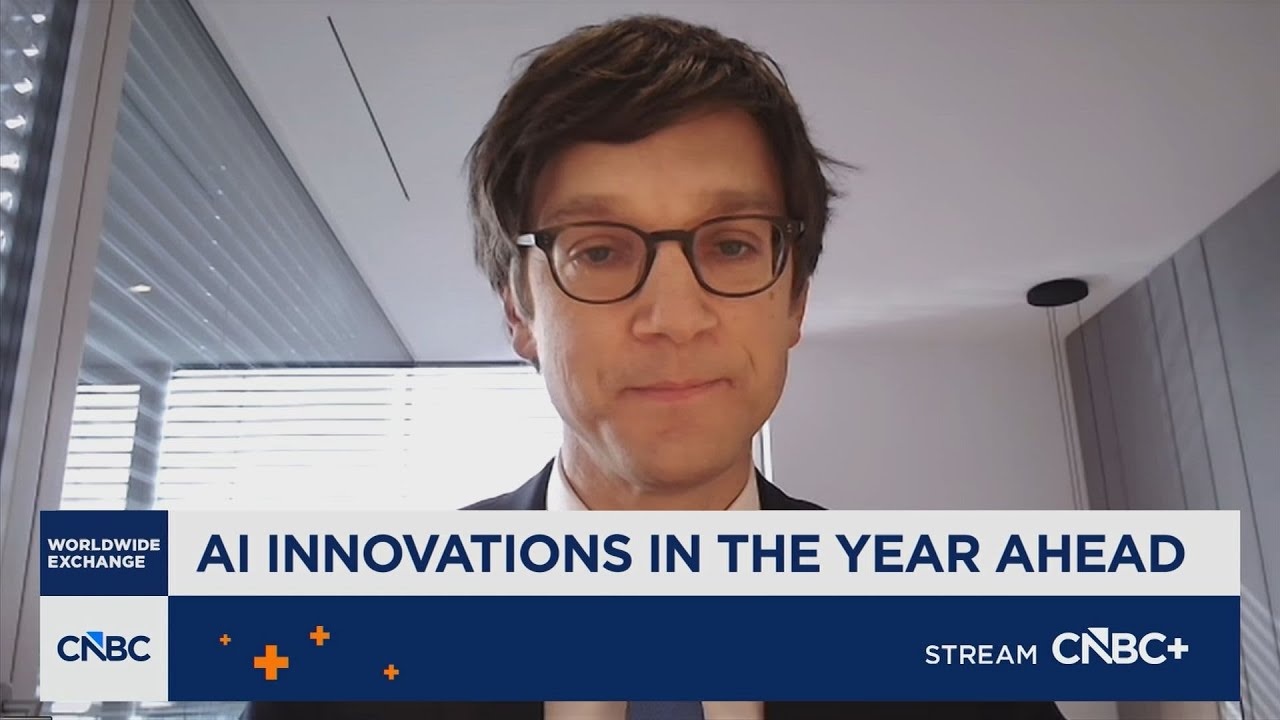
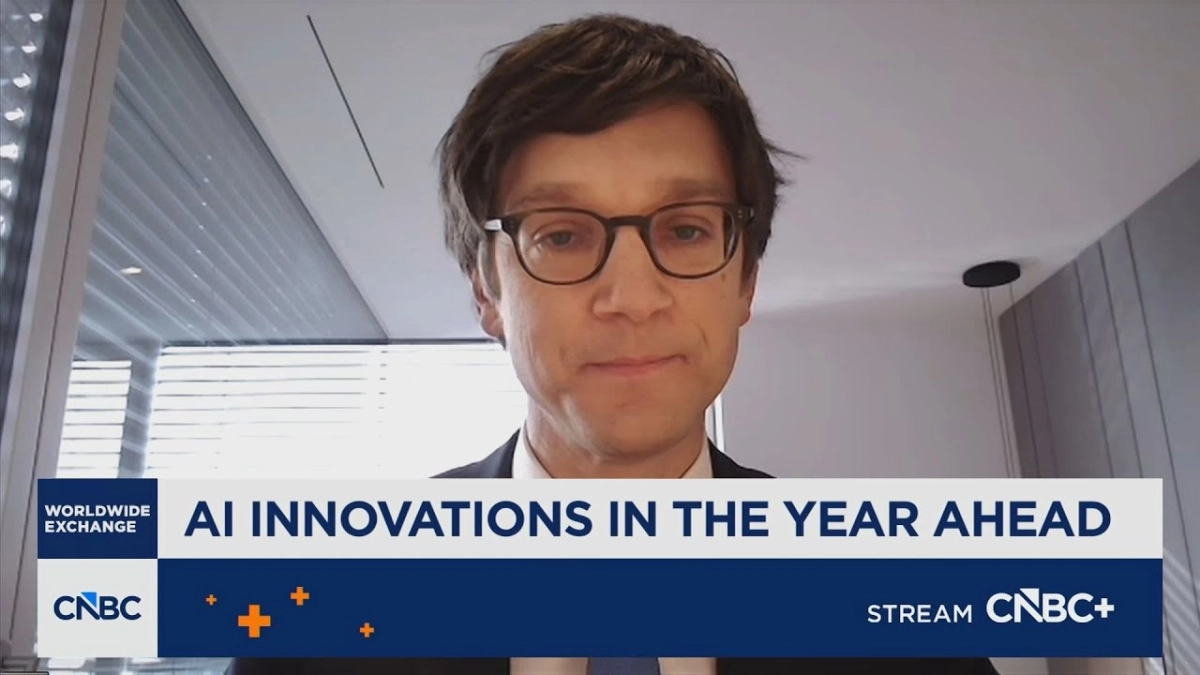
Stanford Computer Science Professor Jure Leskovec, co-founder and Chief Scientist of Kumo.AI, spoke with the CNBC Worldwide Exchange program about the trajectory of artificial intelligence, emphasizing the pivot from conversational interfaces to autonomous agents and the critical infrastructure and talent challenges facing the industry. Leskovec stressed that the speed of AI research and advancements is "just unprecedented," consistently exceeding expectations even among seasoned researchers. This breakneck pace is driven by concurrent breakthroughs in algorithmic reasoning and computational efficiency, setting the stage for AI to move rapidly up the value chain.

Related startups

The current generation of large language models (LLMs) primarily focuses on providing sophisticated answers; however, the true economic impact will emerge when AI systems transition to becoming reliable executors. Leskovec anticipates that by 2026, we will be firmly entrenched in the era of autonomous agents. This transition means moving away from simply talking with AI to utilizing AI that makes decisions autonomously, optimizing workflows across multiple steps and correcting itself as necessary. “I think it’s really about going beyond AI that is chatting to AI that is doing,” Leskovec asserted, highlighting the profound practical implications for business operations.

Underpinning this algorithmic evolution is the continuous need for computational power. The massive demand for training and inference, the actual deployment cost of these models, has made AI infrastructure, particularly specialized chips, a primary focus for hyperscalers and startups alike. The focus has shifted toward reducing the cost of inference to make these powerful models economically viable for mass deployment. This has spurred intense competition, evidenced by companies like Nvidia partnering with smaller innovators and tech giants like Alphabet developing custom Tensor Processing Units (TPUs).

AI’s integration into the enterprise hinges on making computational power cheaper and more efficient. New algorithmic techniques coupled with specialized chips represent the next logical frontier.

Beyond the hardware race, the talent pipeline remains a critical chokepoint for maintaining American leadership in AI innovation. Leskovec argued strongly for policies that attract and retain the world’s top AI researchers and engineers, underscoring that the US must remain the “global talent magnet.” While AI is often discussed as an equalizer that can upskill the existing workforce, the foundational research and development necessary to build the next generation of models require specialized, highly educated personnel.

The investment required to cultivate this elite talent is substantial and must be protected. Leskovec noted the financial and temporal commitment required to educate elite AI expertise, stating that at Stanford, "it takes more than half a million dollars worth of investment, five years of my involvement to educate a single PhD student.” If the US fails to provide seamless pathways for this talent to join the workforce and contribute to the economy, they will inevitably migrate to other nations offering better opportunities, thereby compromising American competitive dominance in a field central to future productivity.

Leskovec’s own company, Kumo.AI, is focused on the next layer of differentiation in the enterprise: specialized AI models trained on proprietary, structured business data. While public LLMs are trained on generic documents and text, the most valuable insights often reside in siloed, company-specific transaction records, supply chain data, and tabular datasets. Harnessing this internal data is the key to unlocking unique competitive advantages that generic, publicly trained models cannot offer. Kumo.AI specializes in building AI that can reason over this structured business data, enabling businesses to find their unique strengths and differentiate themselves from competitors. The convergence of computational efficiency, autonomous agents, and proprietary data utilization defines the immediate battleground for founders and tech leaders seeking to capture the enormous productivity gains promised by the next wave of AI.

© 2025 StartupHub.ai. All rights reserved. Do not enter, scrape, copy, reproduce, or republish this article in whole or in part. Use as input to AI training, fine-tuning, retrieval-augmented generation, or any machine-learning system is prohibited without written license. Substantially-similar derivative works will be pursued to the fullest extent of applicable copyright, database, and computer-misuse laws. See our terms.