


The current AI investment cycle, despite the colossal market capitalization gains seen in mega-cap technology firms, remains firmly in its "early innings," according to John Belton, Growth Portfolio Manager at Gabelli Funds. This assertion, shared during a recent discussion on CNBC’s “The Exchange” with Dom Chu, Tim Seymour, and Barbara Doran, challenges the notion that the recent surge in tech stocks is purely speculative. Instead, Belton posits that robust fundamentals and upward revisions in earnings expectations are the true engines of this unprecedented growth.
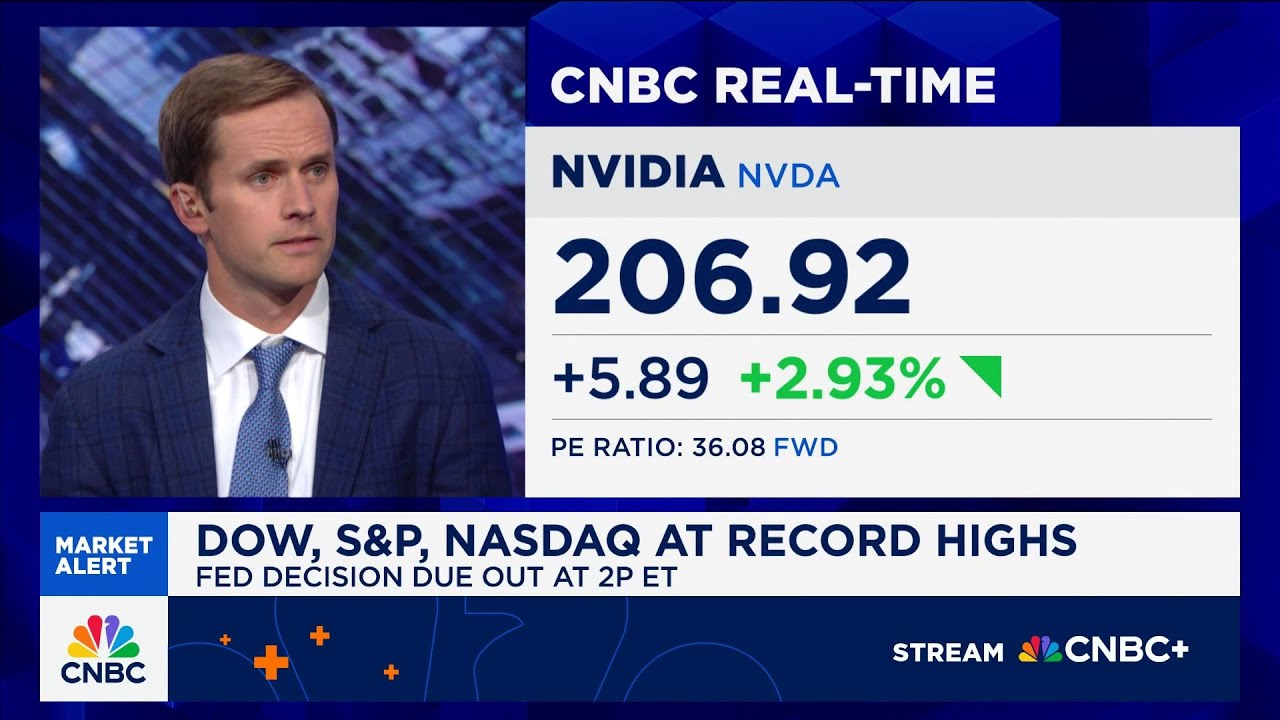
Belton spoke with Dom Chu, flanked by fellow panelists Tim Seymour and Barbara Doran, about the critical role of Big Tech’s earnings reports in shaping the AI trade and the broader economic outlook. The conversation quickly turned to the prevailing economic climate, characterized by a relative scarcity of traditional government data. In this environment, Belton emphasized a reliance on direct company data, stating, "we're following whatever data we have access to... we still have access to company data." This granular focus allows investors to cut through macroeconomic noise and assess the genuine health of individual enterprises driving the AI revolution.
A core insight from Belton’s analysis is the significant upward revision in spending expectations that has occurred over the past few quarters. While he acknowledged the "magnitude of revisions to spending expectations in the last couple of quarters has been insane," he also suggested that the market is now "entering a period where spending will continue to grow, but compresses a little bit from here." This nuanced perspective indicates that while the explosive growth might temper slightly, the underlying trend of increased investment in AI infrastructure and capabilities is durable. This dynamic is crucial for founders and VCs evaluating the long-term viability of AI-centric ventures; it suggests a maturing but still expanding market rather than a fleeting bubble.
The recent earnings season has provided substantial evidence to support this optimistic outlook, particularly concerning the tech sector. Belton highlighted that earnings have been "supportive of higher earnings expectations," which directly translates to stock performance. Barbara Doran, another panelist, underscored this point, citing a compelling statistic: "over 80% of companies that have reported so far, S&P 500 companies, are beating revenue expectations." Such widespread outperformance signals a healthy corporate landscape, driven by actual business growth rather than mere investor sentiment. Furthermore, consumer spending trends, as indicated by recent data from Visa, show the consumer is "still healthy, and that bodes well for some of these big tech platforms." This robust consumer activity provides a solid foundation for continued tech growth, as many AI applications ultimately serve end-users or businesses reliant on consumer demand.
One of the most critical distinctions Belton drew was between "record high market caps" and "record high valuations." This point directly addresses the skepticism often surrounding the current tech rally, where many observers fear overvaluation. He used Nvidia as a prime example to illustrate his argument. He noted that "three years ago, Nvidia was trading somewhere 25 times forward earnings. It's more like 20 times today." This demonstrates that while Nvidia's market capitalization has soared, its valuation multiple, when viewed against its dramatically increased earnings expectations, has actually become *more* reasonable. This perspective is vital for investors and analysts, suggesting that current price levels are justified by a corresponding surge in fundamental performance and future earnings potential, rather than speculative froth.