

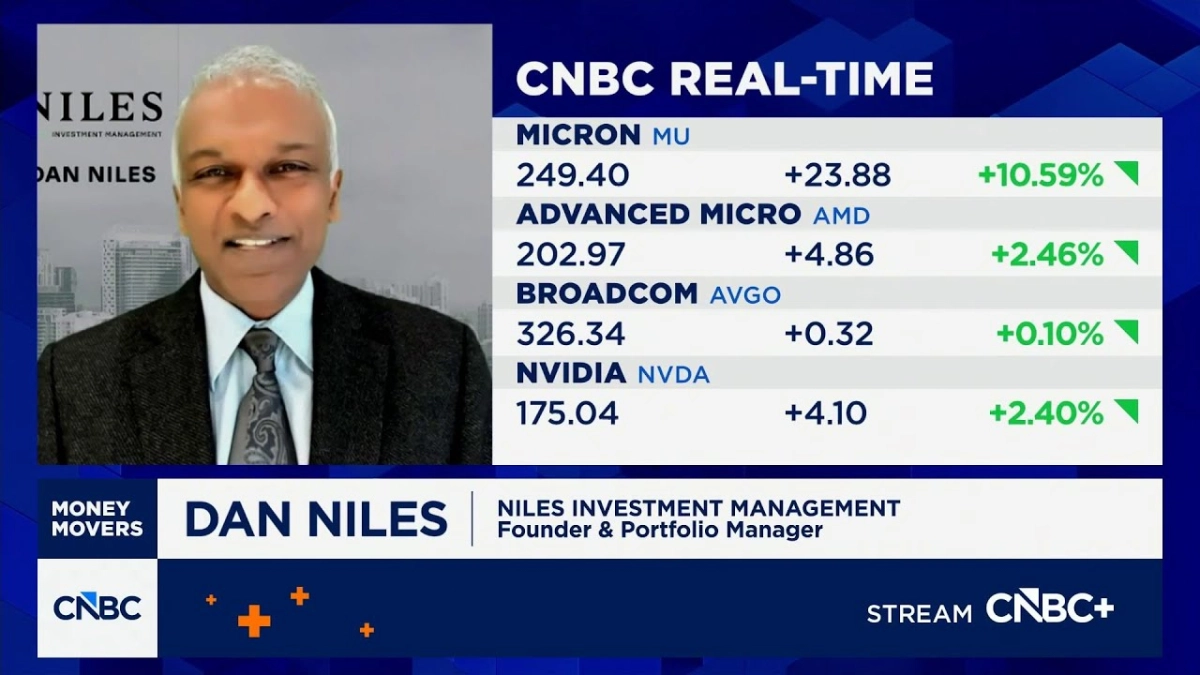
The prevailing sentiment that the artificial intelligence market has reached its speculative zenith is premature, according to Dan Niles, founder and portfolio manager at Niles Investment Management. He posits that the current AI landscape, despite recent market fluctuations, is merely in its nascent stages, drawing compelling parallels to the internet's formative years in the late 1990s. This perspective, shared during an insightful discussion on CNBC's 'Money Movers,' suggests that while a "healthy pullback" is occurring, the true bubble peak and subsequent shakeout are still some years away.
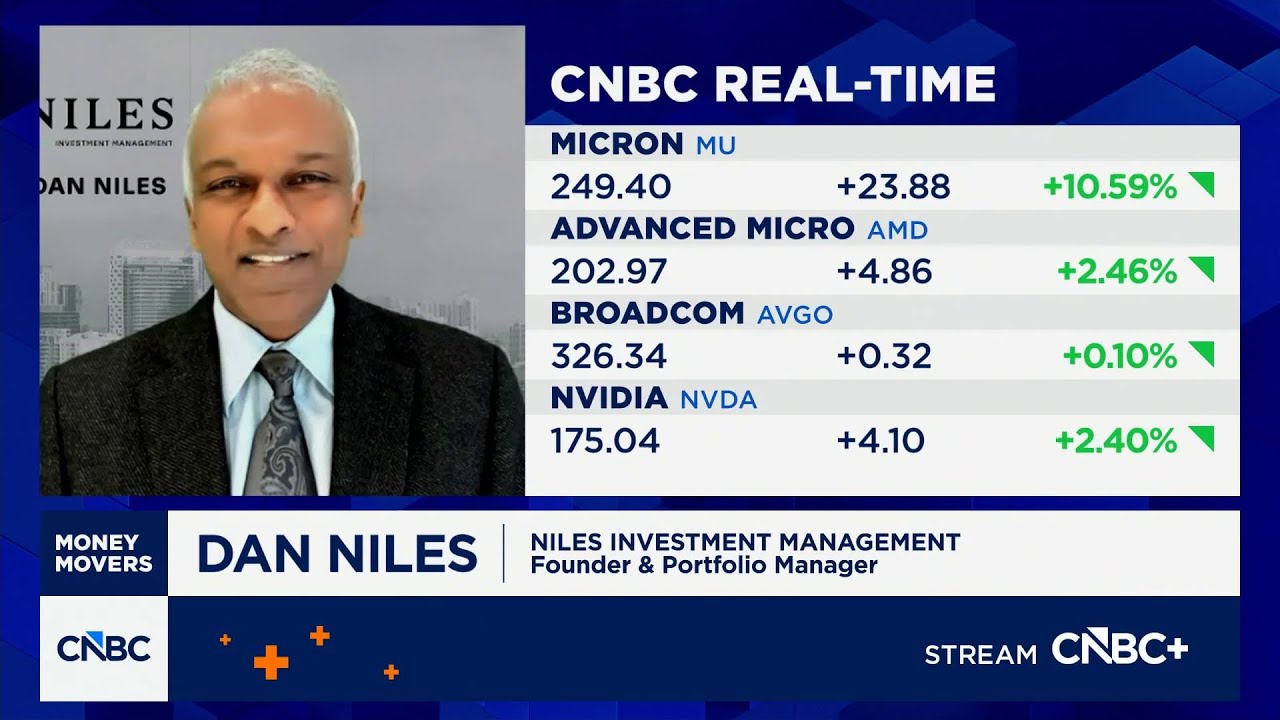
Niles spoke with Carl Quintanilla at CNBC, offering a nuanced view on the AI trade, the broader market, and the long-term trajectory of technological innovation. His core argument centers on the idea that the market is currently undergoing a crucial shift from an indiscriminate "everyone wins" mentality to a more discerning phase where true winners will begin to emerge, mirroring the evolution seen in past tech revolutions.
A key insight from Niles is his historical comparison: "We're only three years into this AI buildout." He elaborates by looking back at the internet era, noting it took roughly six years to reach the dot-com bubble's peak. During that period, companies like Cisco saw their quarterly revenues skyrocket by fifteen and a half times. In contrast, NVIDIA, a bellwether for the current AI surge, has experienced a roughly nine-and-a-half-fold increase in quarterly revenues over the past three years. This disparity in both timeline and magnitude suggests that the AI boom, while significant, has not yet reached the hyperbolic levels of its internet predecessor. "If you compare this to the internet, you're not there yet," Niles asserted, indicating substantial room for further growth and investment before any ultimate peak.
The initial phase of the AI surge, Niles notes, was characterized by a broad optimism where "everybody's going to win, nobody's going to lose." This period, which began around late October, saw investors betting indiscriminately on nearly any company with an AI narrative. However, recent market behavior, particularly the varying reactions to earnings reports from companies like Broadcom and Micron, signals a shift. The market is becoming more selective, beginning to question the sustainability of universal AI success. This growing discernment is a critical development, moving away from generalized exuberance towards a more rigorous evaluation of individual company fundamentals and their actual capacity to monetize AI.
This period of increased discernment is, in Niles's view, a "healthy pullback." It allows the market to recalibrate expectations and distinguish between genuine innovators and those merely riding the hype wave. Just as the internet boom ultimately produced singular dominant players in key verticals, Amazon in e-commerce, Google in search, Meta (then Facebook) in social media, AI is expected to follow a similar consolidation path. The current environment, therefore, presents opportunities for strategic investment in companies demonstrating clear competitive advantages and viable business models within the AI ecosystem.