

Diffusion Research: Drug Discovery Outshines Image Generation

AI's diffusion model research is making bigger waves in drug discovery than image generation, tackling complex molecular interactions with physics-informed AI.

4 min read
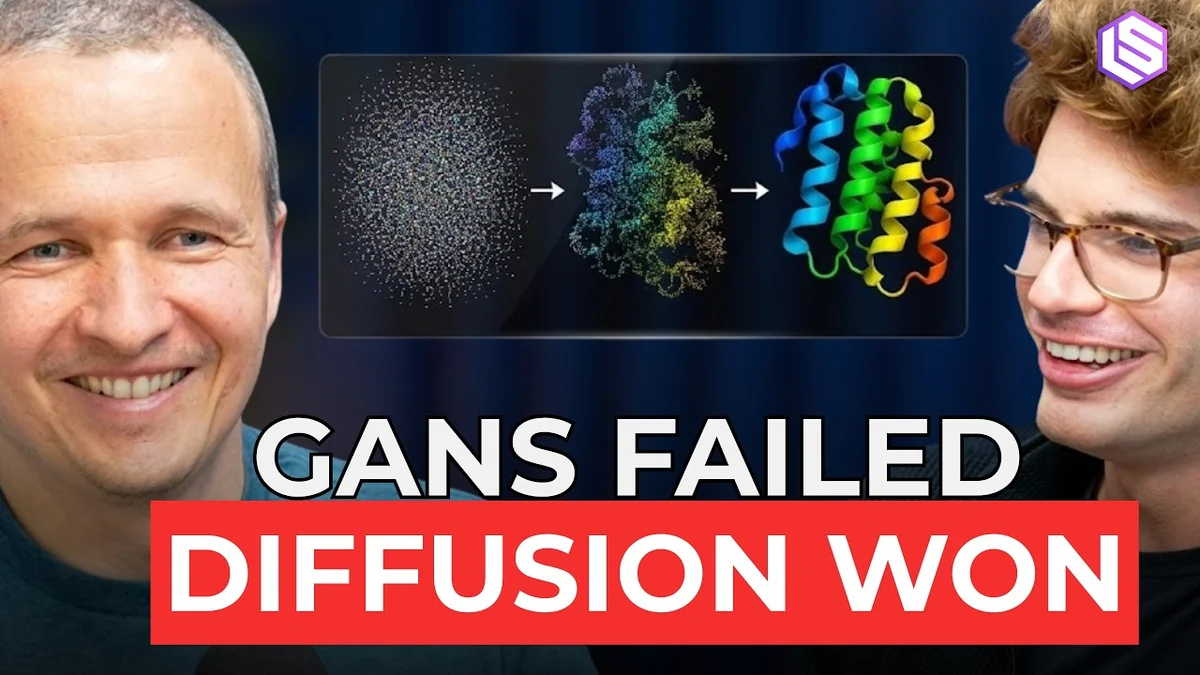
Animated graphic showing the progression of molecular structures, illustrating AI's role in drug discovery.
AI is accelerating drug discovery by modeling complex molecular interactions.· Latent Space
Visual TL;DR
AI Diffusion ModelsCore
generative AI technology powering new applications
From the article 9+ mentionsThe conversation around AI often focuses on image generation, but the true innovation in diffusion models is currently unfolding in drug discovery.
Image GenerationContext
From the article 6 mentionsEarly applications of diffusion models in AI were largely centered around image generation.
Drug Discovery ComplexityDriver
biological systems demand nuanced AI models
From the article 7 mentionsWhile generative AI has captured the public imagination with its ability to create stunning images, the most profound and impactful diffusion research is actually happening in the realm of drug discovery.
Physics-Informed AICore
integrating physics for molecular prediction
From the articleThis requires a more sophisticated approach to AI, often incorporating physics-informed neural networks and other advanced techniques.
Molecular DesignContext
predicting molecule behavior in the body
From the article 3 mentionsIn drug discovery, these models are being used to design novel molecules with specific properties.
Interdisciplinary FutureContext
combining AI with biology and chemistry
Drug Discovery ImpactOutcome
diffusion research making bigger waves here
From the article 7 mentionsAs AI models become more adept at capturing these physical principles, their impact on drug discovery will only continue to grow.
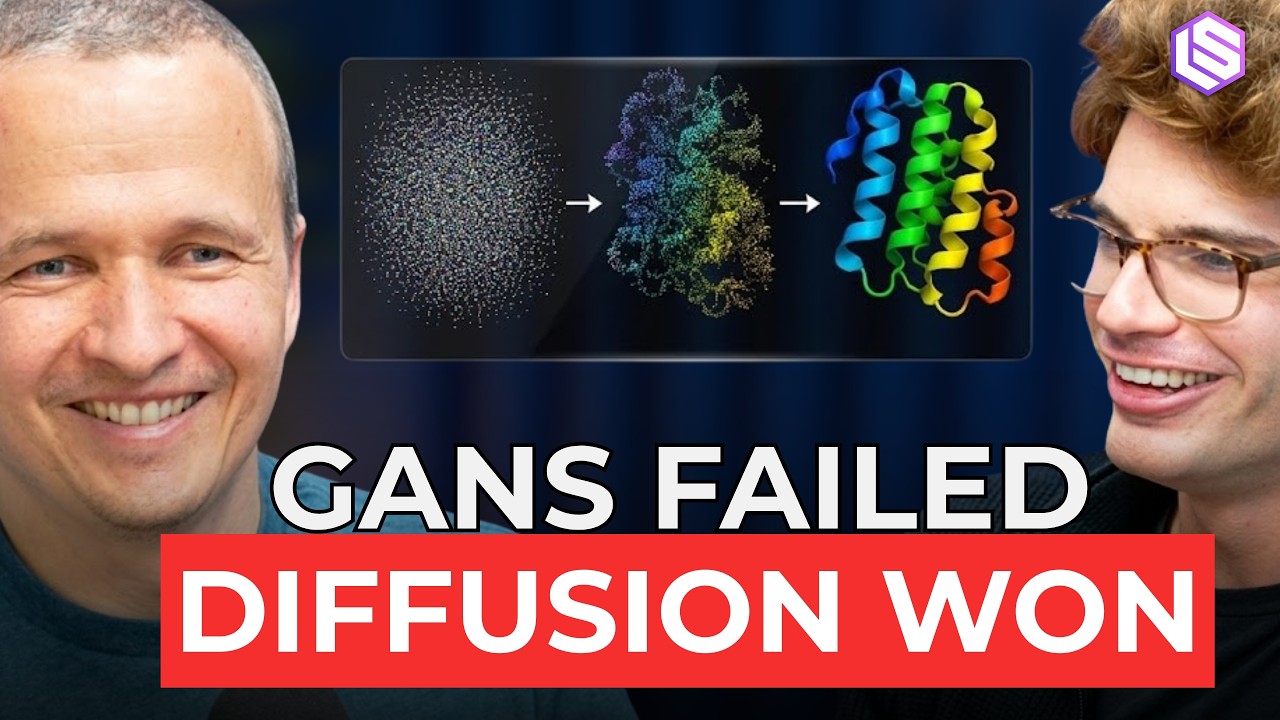
While generative AI has captured the public imagination with its ability to create stunning images, the most profound and impactful diffusion research is actually happening in the realm of drug discovery. This shift is driven by the inherent complexity of biological systems, which demand more nuanced and predictive AI models than those typically employed for visual generation tasks.

Diffusion Research: Drug Discovery Outshines Image Generation - Latent Space
Diffusion Research: Drug Discovery Outshines Image Generation — from Latent Space

The Unseen Frontier of AI in Drug Discovery

The conversation around AI often focuses on image generation, but the true innovation in diffusion models is currently unfolding in drug discovery. The intricate nature of biological molecules and their interactions presents a far greater challenge and opportunity for AI. Unlike generating pixels for an image, predicting how a molecule will behave in the human body requires a deep understanding of complex physics and chemistry.

From Image Generation to Molecular Design

Early applications of diffusion models in AI were largely centered around image generation. However, the underlying principles of diffusion, which involve a gradual process of adding and removing noise to generate data, are proving incredibly powerful in other domains. In drug discovery, these models are being used to design novel molecules with specific properties.

The process involves training AI models on vast datasets of known molecules and their interactions. By learning these patterns, the AI can then generate new molecular structures that are predicted to have desired therapeutic effects. This approach accelerates the traditionally slow and expensive process of drug development, allowing researchers to explore a much wider chemical space.

The Role of Physics in AI-Driven Drug Discovery

Unlike image generation, which primarily deals with visual patterns, drug discovery necessitates a strong foundation in physics and chemistry. The models must understand how molecules interact at an atomic level, how they fold, and how they bind to biological targets. This requires a more sophisticated approach to AI, often incorporating physics-informed neural networks and other advanced techniques.

The ability to accurately model these complex interactions is crucial for predicting a molecule's efficacy and potential side effects. As AI models become more adept at capturing these physical principles, their impact on drug discovery will only continue to grow.

The Future is Interdisciplinary

The convergence of AI, physics, and biology is unlocking unprecedented potential in drug discovery. By combining the power of generative models with a deep understanding of molecular science, researchers are on the cusp of revolutionizing how new medicines are developed. The innovative diffusion research happening today in drug discovery promises to yield significant breakthroughs in treating diseases and improving human health.

© 2026 StartupHub.ai. All rights reserved. Do not enter, scrape, copy, reproduce, or republish this article in whole or in part. Use as input to AI training, fine-tuning, retrieval-augmented generation, or any machine-learning system is prohibited without written license. Substantially-similar derivative works will be pursued to the fullest extent of applicable copyright, database, and computer-misuse laws. See our terms.