


In a recent broadcast, Bloomberg Weekend hosts David Gura and Kristina Partsinevelos discussed how insights from Victorian-era literature could offer guidance for navigating the current artificial intelligence revolution. The conversation highlighted that the AI transition is anticipated to be more rapid, extensive, and disruptive than the historical Industrial Revolution. To help understand and manage this transformative period, Partsinevelos suggested turning to novels from the 19th century, which captured the societal and economic upheavals brought about by industrialization.
Key Figures in the Discussion
Kristina Partsinevelos is the Director of the Yale Budget Lab. Her expertise lies in economic policy and the intersection of technology and society. Her perspective in this discussion emphasizes the value of historical context in understanding contemporary challenges.
David Gura, a Bloomberg Television host, guides the conversation, drawing out key points and posing questions to contextualize the discussion for the audience.
The full discussion can be found on Bloomberg Podcast's YouTube channel.
Lessons from Victorian Fiction for the AI Revolution
Partsinevelos proposed that 19th-century novels provide a rich source of material for understanding the multifaceted impacts of technological change. She noted that while historical predictions about AI's disruption are varied, a look back at past transformations, like the Industrial Revolution, is crucial for societal preparation. She stated, "We really have no idea... we have a range of predictions out there, but at this point, we're all just guessing." She further elaborated on the importance of historical perspective, suggesting, "rather than all of us sitting in our offices pontificating and trying to figure this out… it's really useful to kind of step back and think about where we've been."
The core argument presented is that societal responses to past technological disruptions offer valuable lessons for the present. Partsinevelos highlighted that historical transitions, while beneficial for some, often led to suffering and required significant societal adjustments. She emphasized that history teaches us that "it's not that progress is always good for everyone. It's that progress is disruptive, and there are people who benefit and people who suffer." This historical reality underscores the need for proactive societal adaptation and careful consideration of the human impact of AI.
Specific Literary Recommendations
To illustrate her point, Partsinevelos recommended specific novels that capture the essence of the Industrial Revolution's impact:
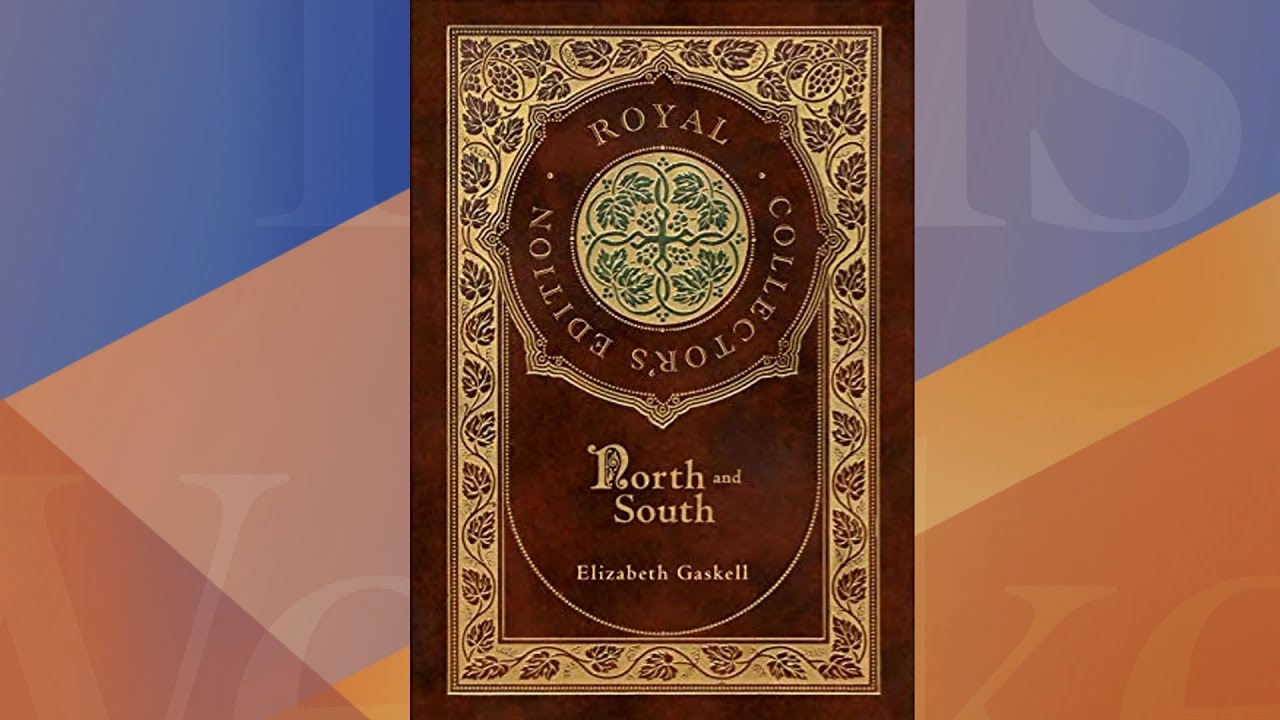
- "North and South" by Elizabeth Gaskell: This novel is highlighted for its depiction of a woman navigating the transition from an agrarian South to the industrial North of England. Partsinevelos noted that the protagonist, Margaret Hale, is an observer who witnesses the economic and social changes firsthand. The novel illustrates the complex interactions between capital and labor, and the social stratification that arose from industrialization. It shows how individuals and communities grappled with new economic realities, technological displacement, and the changing social fabric.
- "Shirley" by Charlotte Brontë: This novel is presented as a narrative that delves into the social and economic unrest of the Luddite movement in early 19th-century England. Partsinevelos pointed out that the novel focuses on the anxieties and resistance to mechanization, particularly concerning its impact on skilled labor and the broader community. The story explores themes of class conflict, the plight of workers facing unemployment due to technological advancements, and the social tensions that emerged from these shifts. The novel also touches on the role of women and their economic realities during this period of change.
- "A Christmas Carol" by Charles Dickens: While a more universally known work, Dickens' classic is cited for its stark portrayal of the social inequalities and the human cost of industrialization. The character of Ebenezer Scrooge, initially a symbol of ruthless capitalism, undergoes a transformation that reflects a broader societal need for empathy and social responsibility. The novel vividly illustrates the poverty and hardship faced by many working-class families during the era, serving as a cautionary tale about the potential for progress to exacerbate social disparities if not tempered with compassion and collective action.
Partsinevelos explained that these works are valuable because they depict individuals trying to understand and adapt to profound societal changes. She stated, "The people who do the best are the ones who are thinking about what this means for them, and what this means for their village, but you know, their broader community and how they fit into that." She emphasized that these historical narratives can help us understand the human element of technological disruption, from the individual's struggle to the collective's adaptation.
Broader Implications for the AI Era
The discussion underscored that the AI revolution, much like the Industrial Revolution, will likely create winners and losers. Partsinevelos cautioned against the notion that this transformation is entirely novel or unprecedented. She argued that while AI presents unique challenges, historical patterns of disruption, adaptation, and societal response offer a framework for understanding the current landscape. "We haven't yet had a technological revolution where society as a whole wasn't better off at the end of it," she noted, but immediately qualified this by saying, "that doesn't mean that that was true for everyone, and that's not to say that people weren't suffering during them."
The sentiment echoed throughout the conversation is that learning from the past is not about predicting the future precisely but about understanding the dynamics of societal change. The novels discussed offer a lens through which to view the human impact of technological shifts, highlighting the importance of empathy, adaptation, and social responsibility. As AI continues to integrate into various aspects of life, understanding how past generations navigated similar seismic shifts can provide valuable guidance for policymakers, businesses, and individuals alike.
