


In a significant statement that could impact regional stability and global energy markets, the White House has confirmed that the United States has not escorted any oil tankers through the Strait of Hormuz. This clarification comes amid heightened tensions in the Persian Gulf, where Iran has been accused of harassing and attempting to seize commercial vessels, particularly oil tankers. The situation underscores the delicate geopolitical balance in the region and the potential for escalation.
Joe Mathieu: Bloomberg Radio Co-Host
Joe Mathieu, the co-host of Bloomberg's "Balance of Power," delivered the key update regarding the US military's role in the Strait of Hormuz. Mathieu, a seasoned financial journalist with extensive experience covering global markets and geopolitical events, has a reputation for delivering concise and impactful news. His role in anchoring discussions on critical economic and political issues makes his reports particularly noteworthy.
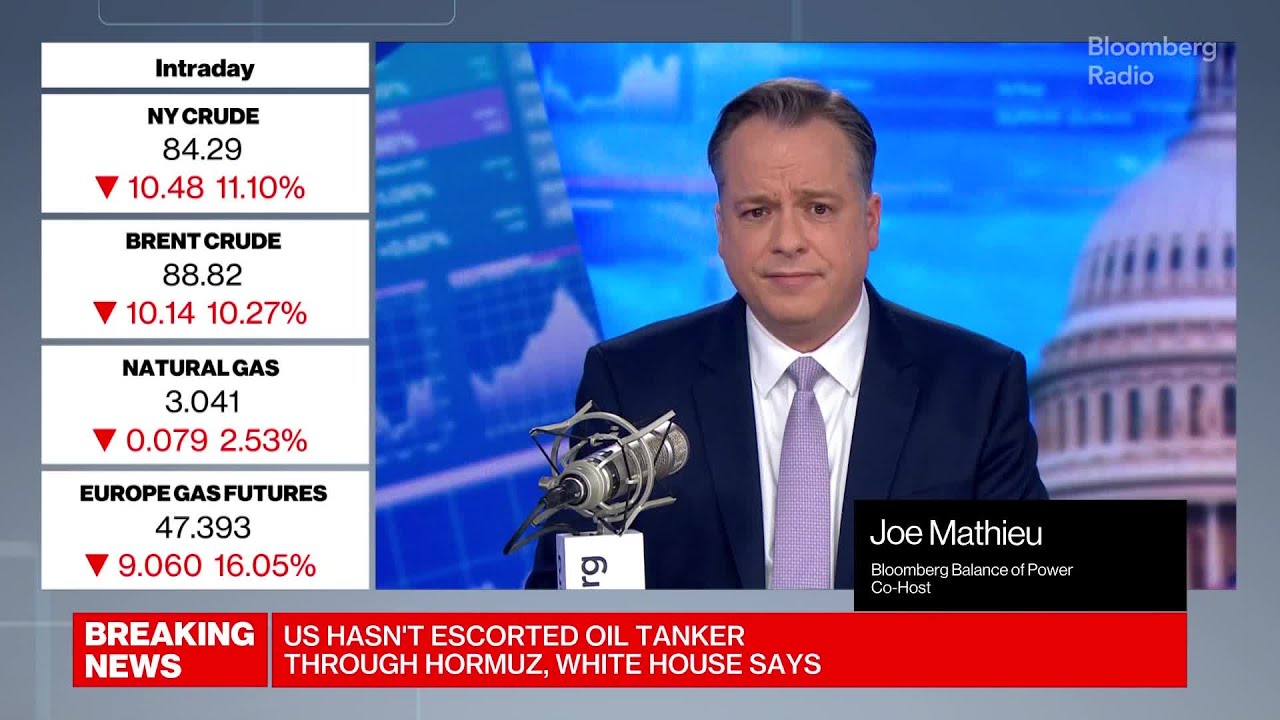
US Stance on Hormuz Operations
The White House's assertion that the US has not escorted tankers through the Strait of Hormuz is a direct response to a narrative that might suggest a more active US military involvement in protecting commercial shipping in the immediate vicinity of any Iranian actions. This denial aims to clarify the extent of US military operations and to avoid any misinterpretation of its posture in a volatile region. The Strait of Hormuz is a critical chokepoint for global oil trade, with a significant portion of the world's oil passing through it daily. Any disruption or threat to this waterway can have immediate and far-reaching consequences on oil prices and supply chains.
The full discussion can be found on Bloomberg Podcast's YouTube channel.
Geopolitical Tensions and Oil Markets
The ongoing tensions between Iran and Western powers, particularly the United States, have frequently spilled over into the maritime domain in the Persian Gulf. Reports of Iran's aggressive actions towards oil tankers have been a recurring concern, often leading to spikes in oil prices due to fears of supply disruptions. The White House's statement serves to manage perceptions and to signal a specific, possibly more restrained, approach to direct escort missions in the immediate aftermath of reported incidents. This careful wording suggests a strategy of deterrence and reassurance without direct escalation.
Implications for Global Energy Security
The security of the Strait of Hormuz is paramount for global energy security. The free flow of oil through this waterway is essential for meeting global demand. Any perceived threat or actual disruption can lead to increased volatility in oil prices, affecting economies worldwide. The US military's presence in the region, including naval patrols and surveillance, is intended to deter such actions and to ensure freedom of navigation. However, the specific decision to escort tankers or not can be a delicate calibration of risk and deterrence.
Strategic Communication and Market Perception
The way such events are communicated to the public and the markets is crucial. By denying the escort of tankers, the White House might be trying to avoid provoking Iran further or to signal that the US is not directly engaging in confrontation unless absolutely necessary. This approach could be aimed at de-escalating tensions while still maintaining a strong deterrent posture. The market's reaction to such news will be closely watched, as oil prices are highly sensitive to geopolitical developments in the Middle East.


