


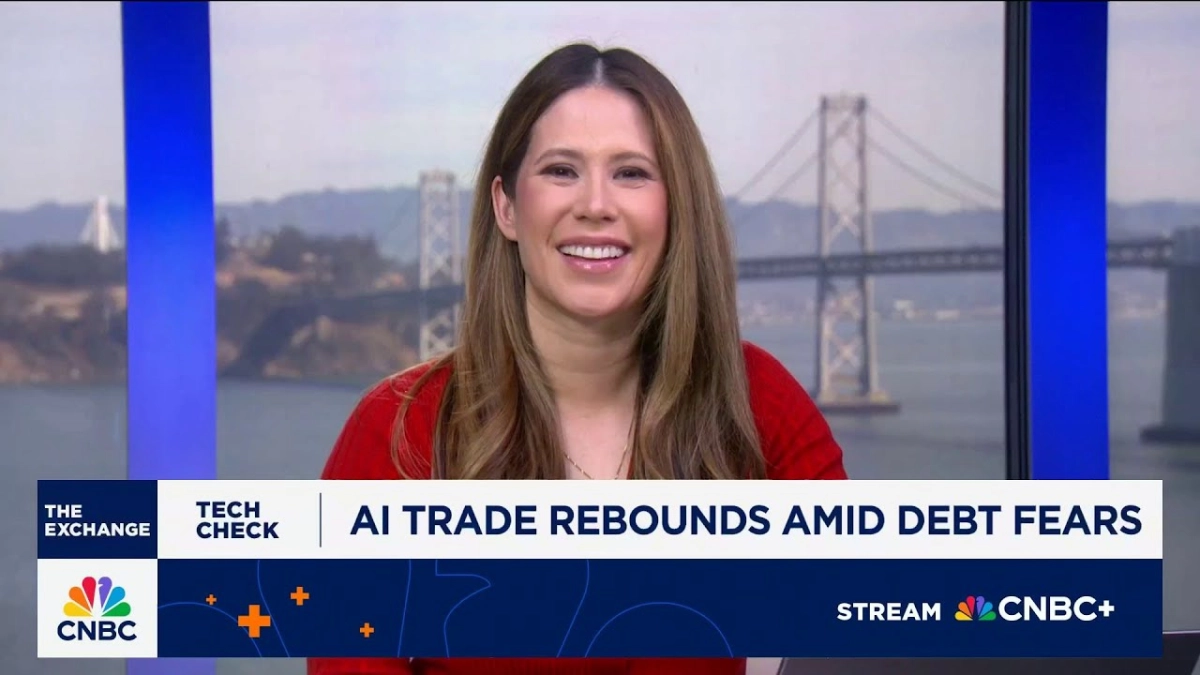
The global race for artificial intelligence dominance reveals a stark divergence in strategy between the United States and China, a trend highlighted by CNBC's Deirdre Bosa. On "The Exchange," Bosa dissected the contrasting approaches to AI infrastructure investment, revealing that American giants are building on borrowed capital, while their Chinese counterparts prioritize efficiency. This emerging narrative suggests a fundamental re-evaluation of what drives leadership in the AI sector, impacting founders, venture capitalists, and tech professionals alike.
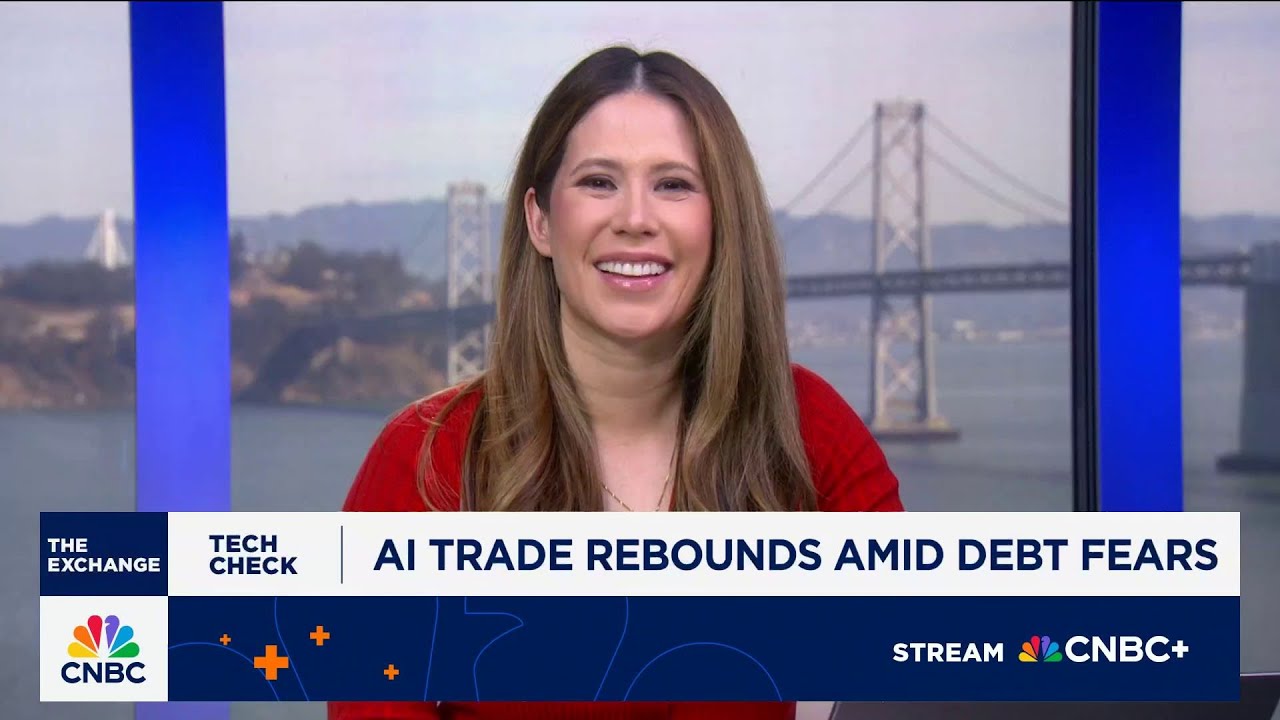
Deirdre Bosa, a CNBC TechCheck Anchor, reported on the implications of Oracle's recent $18 billion data center deal, positioning it as a microcosm of the broader American AI investment strategy. Her analysis underscores a significant capital expenditure gap between the two nations, which, surprisingly, does not appear to correlate directly with performance disparities in AI models. This disparity challenges the conventional wisdom that sheer financial muscle alone guarantees technological superiority.
"American players, they're building on borrowed money, while their Chinese counterparts, they're building on efficiency," Bosa stated, encapsulating the core difference. The US model, characterized by "massive data centers financed through private credit and bond market," stands in stark contrast to China's "leaner infrastructure, far less capital." This isn't merely a difference in scale; it represents fundamentally different philosophies of technological development and resource allocation.
Goldman Sachs' projections, presented in Bosa's segment, paint a clear picture. US cloud giants—Amazon, Microsoft, Google, Meta, and Oracle—are collectively projected to spend nearly $700 billion on data centers by 2027. In stark contrast, China's leading players—Alibaba, Tencent, ByteDance, and Baidu—are expected to spend just under $80 billion in the same period. This represents a staggering 10-to-1 gap in capital expenditure.
What makes this financial chasm particularly striking is the relative performance of the AI systems produced. Bosa emphasized, "That is a 10-to-1 gap in capital spending for systems that are performing at roughly the same level." This statement, backed by an Artificial Analysis Intelligence Index chart, showed Chinese models like Kimi K2 and Alibaba's Qwen ranking alongside top American models such as OpenAI's GPT-4 and Google's Gemini on various benchmarks. The implication is profound: China is achieving comparable AI capabilities with a fraction of the investment, suggesting a superior capital efficiency that warrants closer examination.
The efficiency of Chinese AI development can be attributed to several factors. A less constrained regulatory environment, particularly regarding data access, often allows for faster iteration and deployment of models. Furthermore, China's vast domestic market provides an unparalleled testing ground and data source, enabling rapid refinement without the immense capital outlay seen in the West. This iterative, data-rich environment fosters a culture of optimization that drives down the cost of development and deployment.
Related Reading
- U.S., China and the race for cheaper AI
- Kimi K2 Thinking Reshapes Open-Source AI Frontier
- U.S. Must Build Sovereign AI, Not Backstop Private Giants
This divergence raises critical questions for investors and strategists in the West. The current AI trade, already showing signs of volatility, could face increased scrutiny as the cost-effectiveness of Chinese innovation becomes more apparent. If comparable performance can be achieved with significantly less capital, the valuations of American AI companies, heavily reliant on massive, debt-fueled investments, may come under pressure. The financial leverage underpinning US AI growth, while enabling rapid expansion, also introduces considerable risk should the returns not materialize commensurate with the investment.
The upcoming earnings reports from China's internet giants will provide further insights into their capital expenditure outlook, potentially reinforcing this narrative of efficiency. As these reports unfold, investors might begin to "question what these trillion dollar promises from our giants are actually priced in," as Bosa noted. The long-term sustainability of debt-driven AI expansion versus a leaner, efficiency-focused model is a debate that could redefine the competitive landscape of artificial intelligence for years to come.

