


Training robust AI models often hits a wall: a scarcity of high-quality, structured data. This challenge is particularly acute when dealing with complex, unstructured sources like technical papers or when privacy concerns limit access to real-world datasets. However, a growing solution lies in synthetic data generation, a process highlighted by IBM as critical for smarter AI workflows.
The journey begins with transforming raw, messy information into a machine-readable format. Tools like Docling can convert PDFs and scanned documents into structured JSON, extracting meaningful context like sections and headings. This initial step is vital, as AI models cannot directly learn from unstructured text.
Scaling AI Training with Synthetic Data
Once data is structured, models require extensive question-and-answer pairs for effective training. This is where synthetic data generation truly shines. By understanding the patterns and distributions within a small set of real "seed data," AI models can create vast quantities of new, statistically similar examples. This process dramatically expands training datasets without compromising privacy, as the synthetic data contains no real identifiers.
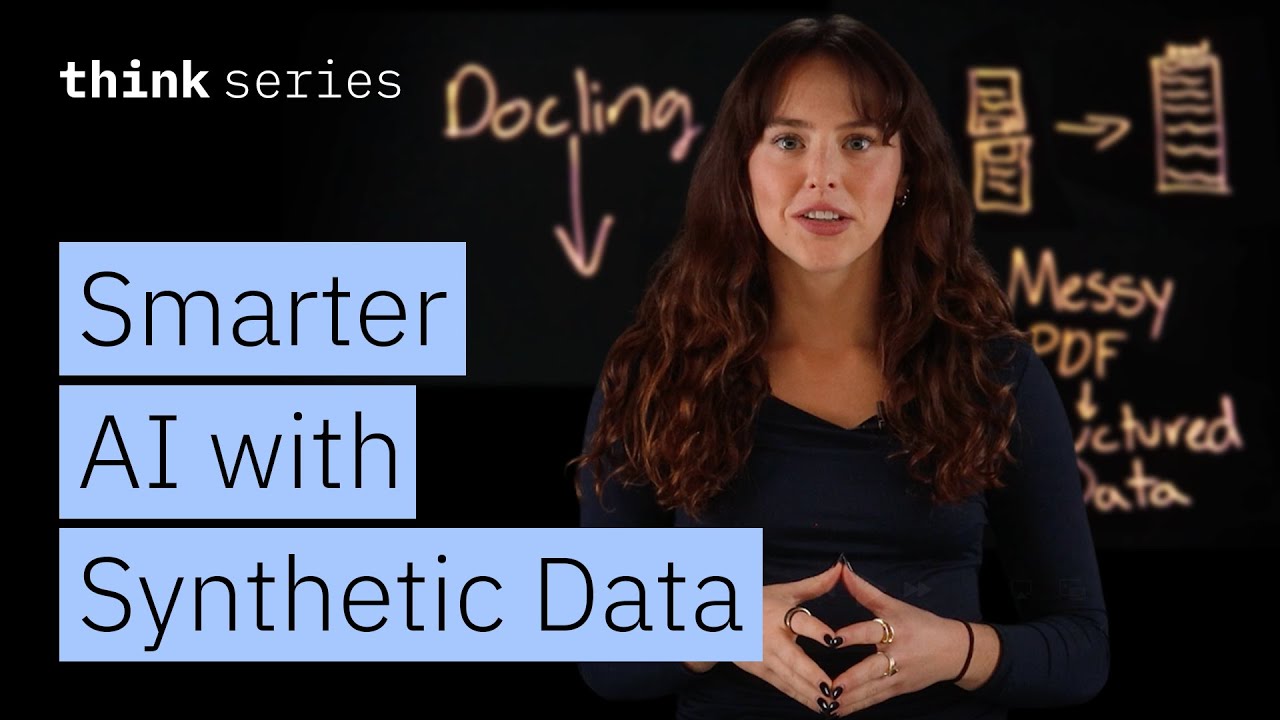
These synthetic data generation (SDG) flows involve a rigorous pipeline of generation, transformation, and validation. Crucially, SDG ensures faithfulness to the original source, relevance, and diversity in the generated output. This allows developers to balance rare data classes, augment limited domains, and thoroughly test their AI pipelines before deployment.
The control offered by synthetic data is a game-changer for enterprise AI. It enables the development of more accurate and ethical models, whether fine-tuning a small domain-specific model or building sophisticated agents to answer complex questions from technical documents. This reproducibility and scalability are essential for future AI advancements, driving the adoption of synthetic data generation across industries.