


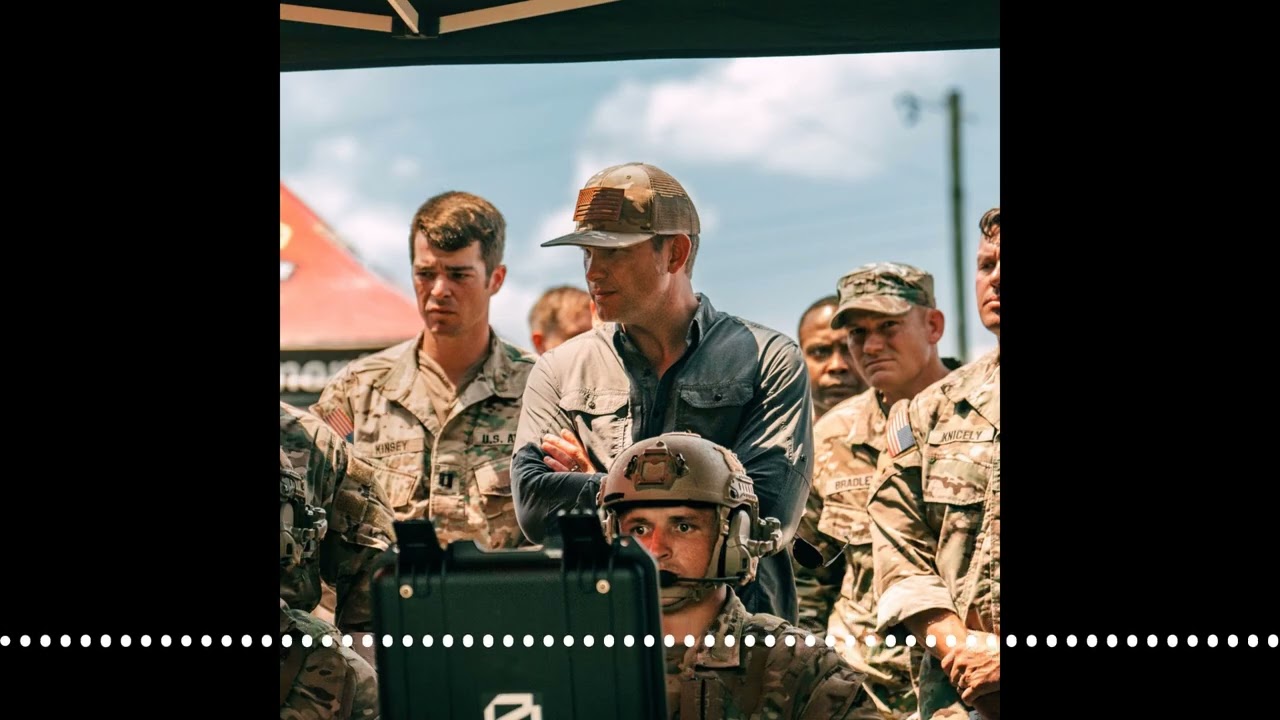
The U.S. military's integration of artificial intelligence into its operations, particularly in the realm of drone warfare, is a rapidly evolving landscape. Recent developments highlight both the advancements and the inherent complexities of relying on AI for critical decision-making in conflict scenarios. The Pentagon's decision to sever ties with the AI firm Entropic underscores the growing scrutiny and ethical considerations surrounding the deployment of these technologies. This move signals a more cautious approach, emphasizing the need for robust safety protocols and human oversight in AI-driven military applications.
Entropic's AI Contract Termination
The Pentagon has officially terminated its contract with Entropic, an AI company known for its AI tools used in drone warfare. This decision stems from concerns over Entropic's AI capabilities and the potential risks associated with their application in military contexts. Specifically, the Pentagon cited a lack of assurances that Entropic's technology would not make lethal decisions autonomously or engage in mass surveillance of American citizens. This action reflects a broader trend within the Department of Defense to reassess and refine its partnerships with AI developers to ensure alignment with ethical guidelines and national security interests.
AI in Drone Warfare: A Double-Edged Sword
The integration of AI into drone operations promises significant advantages, including enhanced precision, increased operational speed, and reduced risk to human soldiers. However, the reliance on AI also introduces a new set of challenges. The potential for algorithmic bias, unforeseen errors, and the difficulty in ensuring accountability for AI-driven actions are critical concerns. The incident with Entropic highlights the delicate balance between leveraging AI for tactical superiority and maintaining ethical boundaries in warfare.
The full discussion can be found on Bloomberg Podcast's YouTube channel.
The 'Black Box' Problem and Human Oversight
A key issue discussed in relation to military AI is the 'black box' problem, where the decision-making processes of complex AI systems can be opaque and difficult to understand. This lack of transparency raises questions about how to ensure that AI systems are acting in accordance with human values and legal frameworks, especially in high-stakes situations. The Pentagon's decision to seek assurances from Entropic indicates a demand for greater explainability and predictability in AI systems used for military purposes. The ultimate goal is to ensure that human judgment remains central to critical decisions, particularly those involving the use of lethal force.