

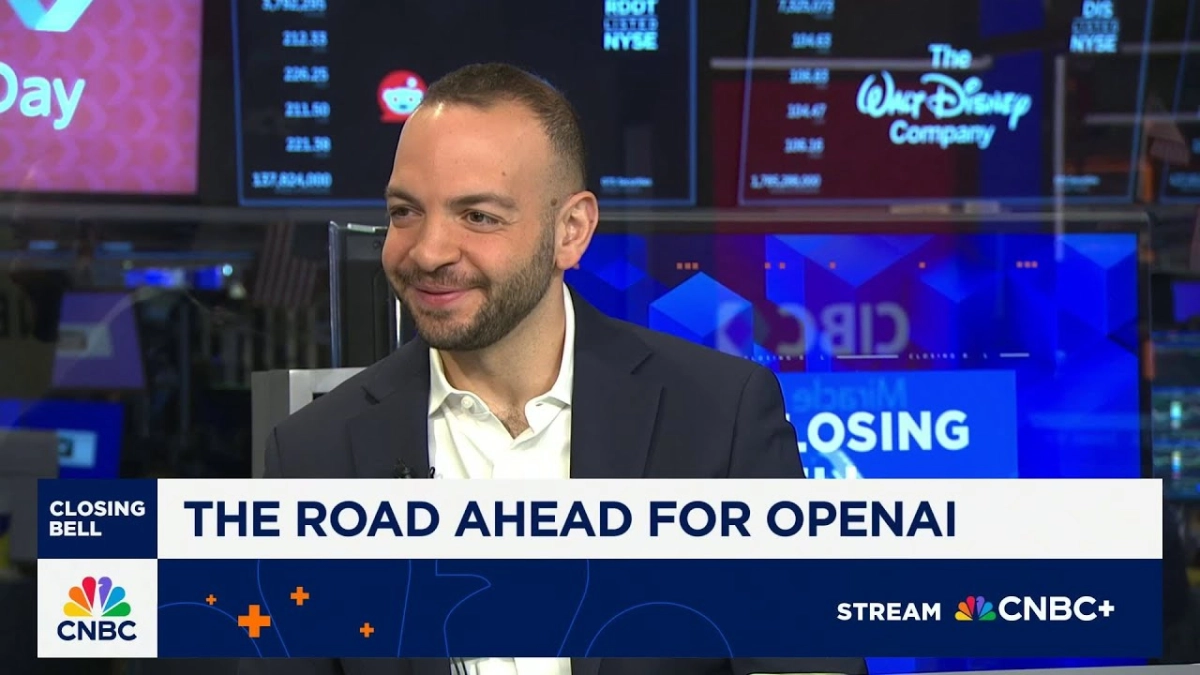
The current iteration of ChatGPT, while undeniably transformative, is merely a precursor to the ambitious visions its creators and competitors harbor. This sentiment, articulated by Big Technology founder Alex Kantrowitz, underscores a critical juncture for OpenAI and the broader AI industry. Kantrowitz, speaking with CNBC’s Scott Wapner on "Closing Bell," offered a sharp commentary on the trajectory of OpenAI, its competitive landscape, and the financial realities shaping its future. The discussion centered on whether OpenAI can maintain its leadership, the necessity of enterprise AI adoption, and the eventual path to an IPO.
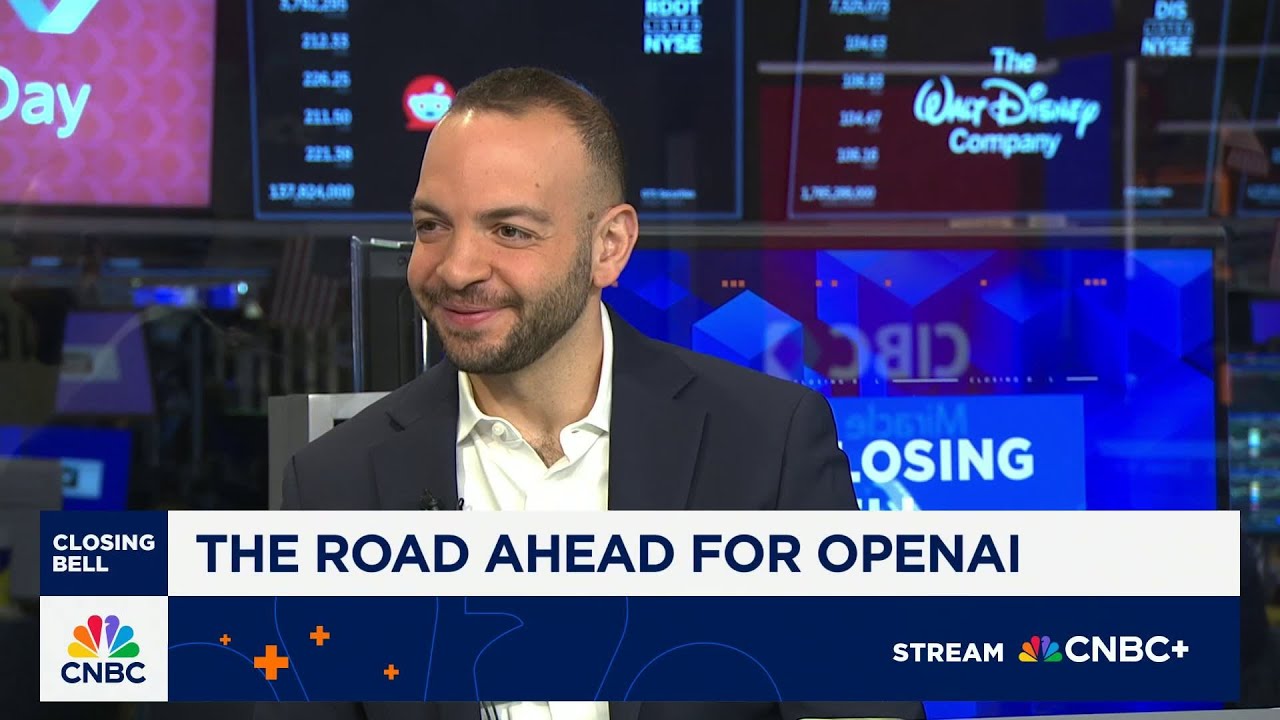
Kantrowitz highlighted that "the ChatGPT that we have today is nowhere near what the companies are aiming for." This perspective reframes the celebrated chatbot not as a finished product, but as a potent foundational technology. Even in its nascent state, it has profoundly impacted various sectors, from legal and medical to industrial applications, by revolutionizing data discovery and document processing. The current capabilities, impressive as they are, represent a fraction of the power yet to be unleashed as models continue to evolve and specialize.
Despite OpenAI’s groundbreaking entry and current market dominance, its long-term leadership position is far from guaranteed. Kantrowitz acknowledged that while ChatGPT remains "the best chatbot out there," internal assessments within OpenAI reportedly suggest that Google has already surpassed it in certain areas with its Gemini model. This competitive pressure indicates that the AI landscape is not destined for a single, monolithic leader but rather a fragmented ecosystem where various players excel in specialized niches. Companies like Anthropic are actively carving out their own segments, focusing on enterprise solutions or specific functionalities such as coding, while Google leverages its existing infrastructure and research prowess to challenge OpenAI's generalist lead.
The fragmentation of the AI market means that "what you might see is companies picking off little parts of what OpenAI has done well." This suggests a future where enterprises might integrate a suite of specialized AI tools rather than relying solely on one provider. For instance, one AI might handle advanced coding tasks, another might excel in creative content generation, and yet another in legal research. This nuanced competition implies that OpenAI must not only innovate broadly but also defend its core strengths against targeted incursions from rivals.
A pivotal factor in OpenAI's future success, Kantrowitz argued, is the widespread adoption of AI within enterprises. While the consumer-facing ChatGPT has garnered immense public attention, the real economic leverage and sustained growth for OpenAI will come from its integration into corporate workflows and specialized industry applications. However, this adoption curve is expected to be slow in the near term, presenting a significant pressure point for the company. Enterprise integration requires not just robust technology, but also tailored solutions, stringent security, and seamless compatibility with existing systems, challenges that differ greatly from consumer product rollouts.