

Mythos AI Finds Hundreds of Firefox Vulnerabilities

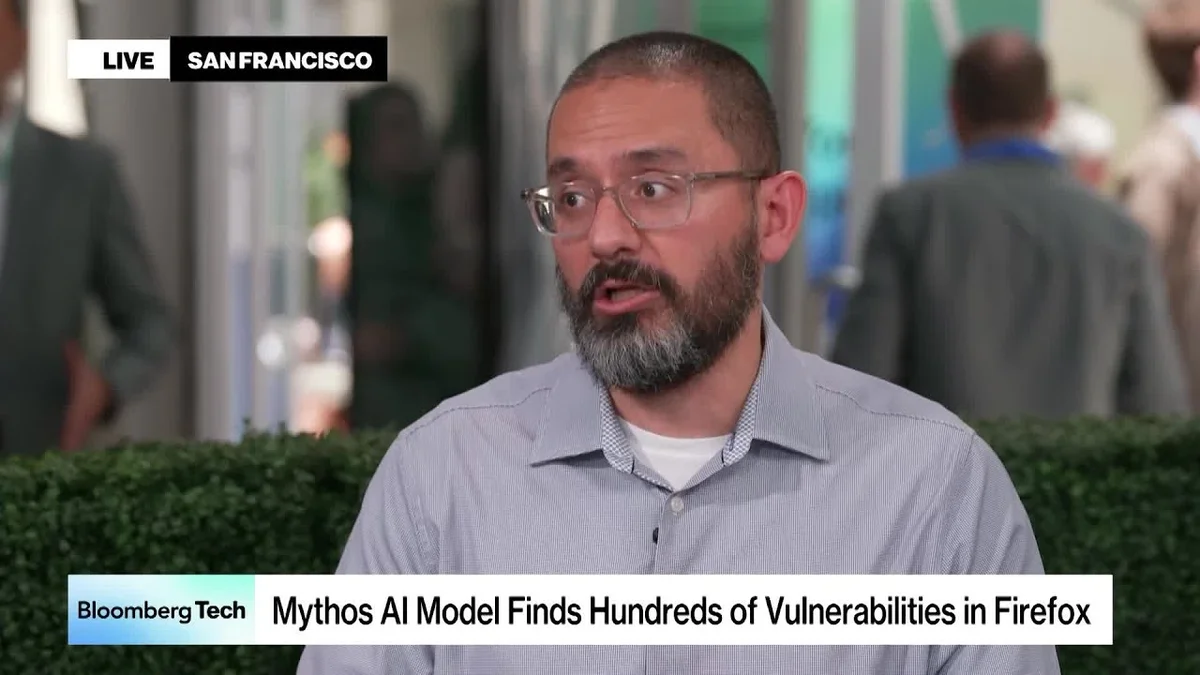
Mozilla's Chief Technology Officer, Raffi Krikorian, discusses how the Mythos AI model has uncovered hundreds of vulnerabilities in the Firefox browser.

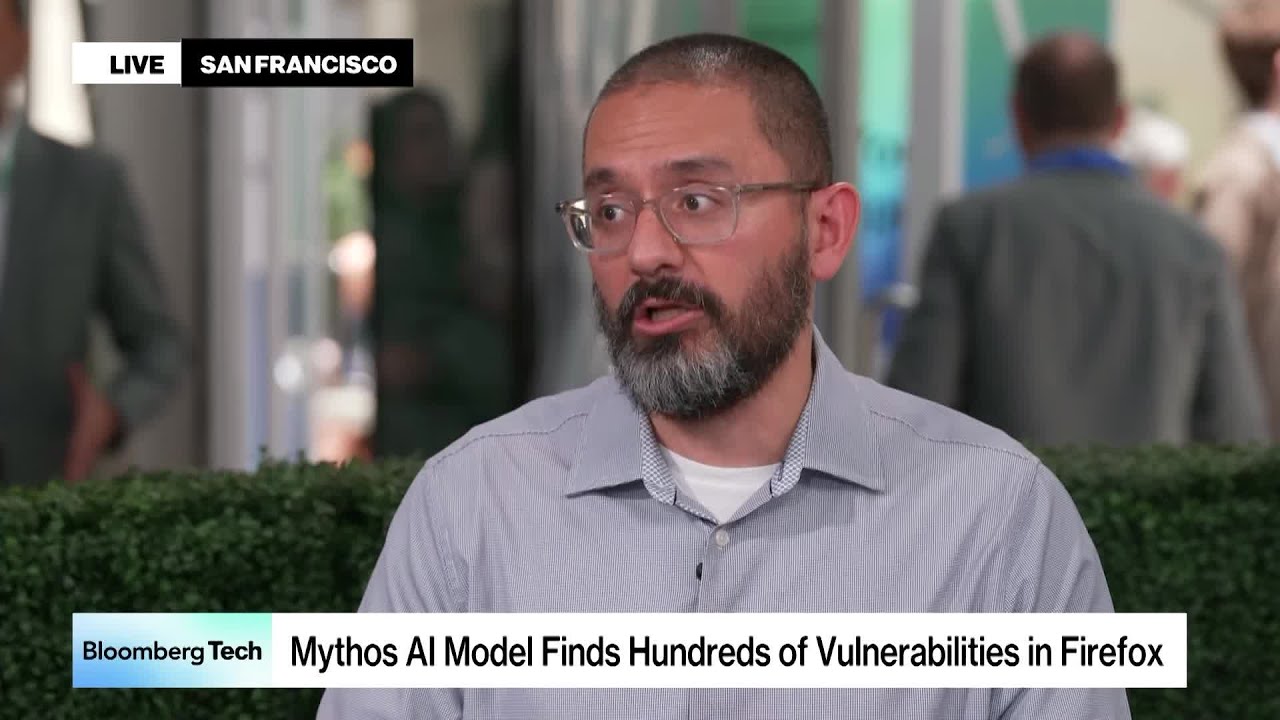
Raffi Krikorian, Chief Technology Officer at Mozilla, speaking.
Bloomberg Podcast
Contents(3)

In a significant demonstration of artificial intelligence's growing role in cybersecurity, the Mythos AI model has successfully identified hundreds of previously unknown vulnerabilities within the Firefox web browser. The findings, presented by Raffi Krikorian, Chief Technology Officer at Mozilla, showcase the power of AI in uncovering complex security flaws that might elude traditional human analysis. This development signals a potential shift in how software security is approached, with AI becoming an indispensable tool for proactive defense.

AI's Impact on Vulnerability Discovery

Krikorian explained that AI models like Mythos are capable of performing tasks that are incredibly time-consuming or complex for human researchers. The Mythos model, in particular, has been trained to analyze code and identify patterns indicative of vulnerabilities. This includes the ability to detect issues that could allow for the execution of malicious code, a critical concern for any software that handles user data and internet interactions.

The effectiveness of Mythos was highlighted by its capacity to discover vulnerabilities that had remained hidden from human oversight. Krikorian noted that these AI-driven discoveries could lead to a more secure digital environment by enabling developers to patch critical flaws before they can be exploited by malicious actors. This proactive approach is crucial in the ever-evolving landscape of cybersecurity, where threats are constantly emerging.

The full discussion can be found on Bloomberg Podcast's YouTube channel.
Mythos AI Model Finds Hundreds of Vulnerabilities in Firefox - Bloomberg Podcast
Mythos AI Model Finds Hundreds of Vulnerabilities in Firefox, from Bloomberg Podcast

The Scale of the Findings

The sheer number of vulnerabilities identified by Mythos underscores the complexity and potential weaknesses inherent in large software projects like web browsers. While the exact nature and severity of each vulnerability were not detailed, the fact that hundreds were found suggests a broad range of potential security gaps. Krikorian's statement that the AI found bugs that could not have been found by an elite human researcher emphasizes the complementary role AI can play alongside human expertise.

This research also points to the rapid advancement of AI's capabilities in specialized fields like software security. As AI models become more sophisticated, they are proving to be powerful allies in the ongoing battle to secure digital infrastructure. The ability of Mythos to rapidly scan and analyze vast amounts of code could significantly accelerate the process of identifying and mitigating security risks.

Implications for the Tech Industry

The success of the Mythos AI model has broad implications for the technology industry. It suggests that AI-driven security testing could become a standard practice, supplementing traditional methods. For companies like Mozilla, this means a more efficient way to identify and address security concerns, ultimately leading to more robust and trustworthy software for users.

Furthermore, the findings raise questions about the future of bug bounty programs and the role of human researchers. While AI can uncover a significant number of vulnerabilities, human oversight remains critical for validating findings, assessing severity, and developing effective patches. The future likely involves a collaborative approach, where AI acts as a force multiplier for human security experts.

© 2026 StartupHub.ai. All rights reserved. You may not republish this article in full without a license. Search engines and AI research tools may crawl and summarize for reference. Bulk reproduction or model training requires a license. See our terms.
Daniel Singer

Written by

Daniel Singer

Editor, StartupHub.ai

Daniel Singer is the editor of StartupHub.ai, a technology expert and thought leader on AI and its applications across sectors, from fintech and healthcare to developer tooling and consumer software. He writes and tests the tools covered here thoroughly and regularly, and built StartupHub.ai to give founders, operators and buyers a clearer read on what they are actually being sold.