

Mosaic SoC raises $3.8M for spatial intelligence chips

Mosaic SoC raises $3.8M for chips that bring real-time spatial intelligence to devices, enabling advanced perception with minimal power consumption.

Mosaic SoC spatial intelligence chip for real-time environmental understanding
Mosaic SoC's innovative chips enable devices to perceive and understand their surroundings.

The next generation of consumer devices will not just capture the world; they will understand it. This shift hinges on real-time perception capabilities, a feat that has remained elusive for many power-constrained devices. Zurich-based Mosaic SoC is building the chips to change that, raising $3.8 million in pre-seed funding.

The funding round, led by Founderful with participation from Kick Foundation, will fuel the development of next-generation perception chips. These integrated circuits are designed to grant devices, from AR glasses to smartphones, the ability to see and comprehend their surroundings with minimal power draw.
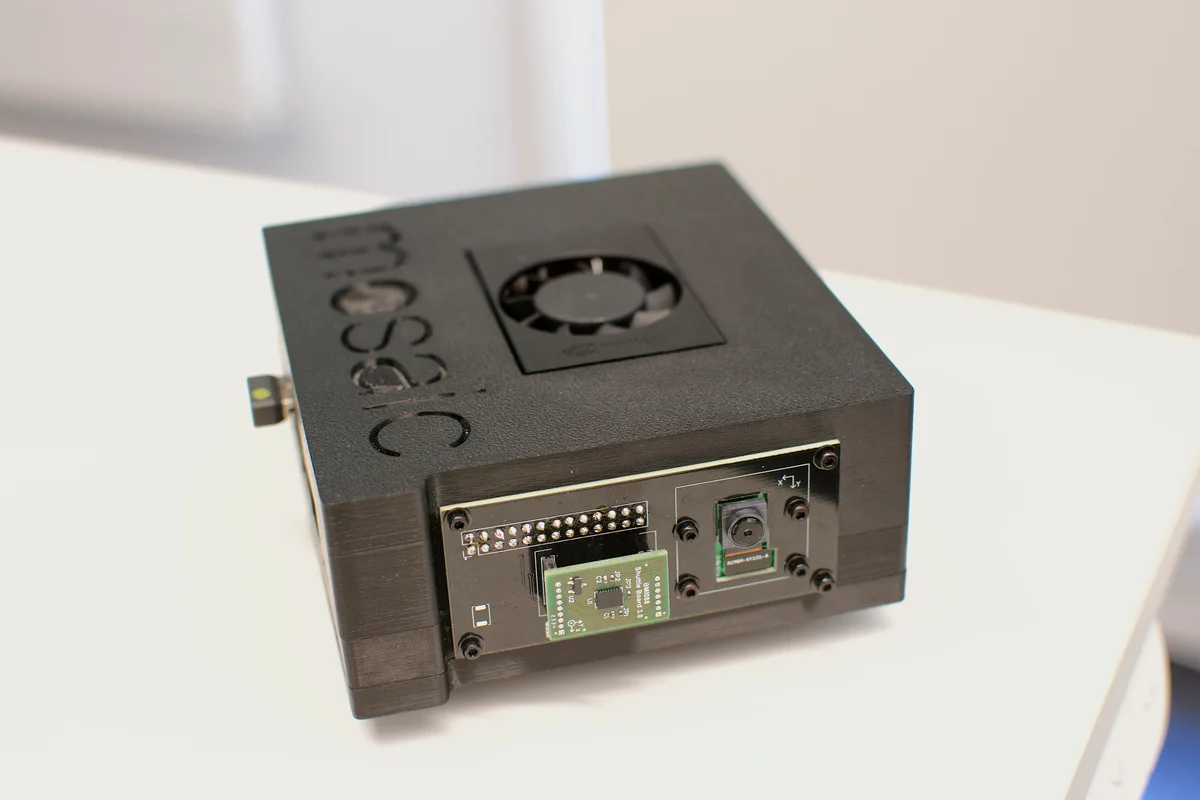
Mosaic SoC chip architecture diagram
Image credit: StartupHub.ai

Current devices often possess more sensors than intelligence to process the data. The computational demands for interpreting this data typically require power-hungry processors and GPUs, limiting advancements in wearable form factors. Mosaic SoC aims to democratize this capability.

"Spatial intelligence shouldn’t require an application-class processor and a GPU," said Alfio Di Mauro, CEO and co-founder of Mosaic SoC. "We built Mosaic SoC to deliver real-time perception at a fraction of the energy, so battery-powered devices can understand their environment without compromising form factor."

The company's chips process visual and positional sensor data, effectively turning space into actionable signals. This allows devices to build local maps of their environment and objects within it.

Features like recalling an item's last known location or generating floor plans on the fly become possible. For smartphones, the chips can act as a co-processor for the front camera, enabling always-on tracking and classification at significantly reduced power consumption.

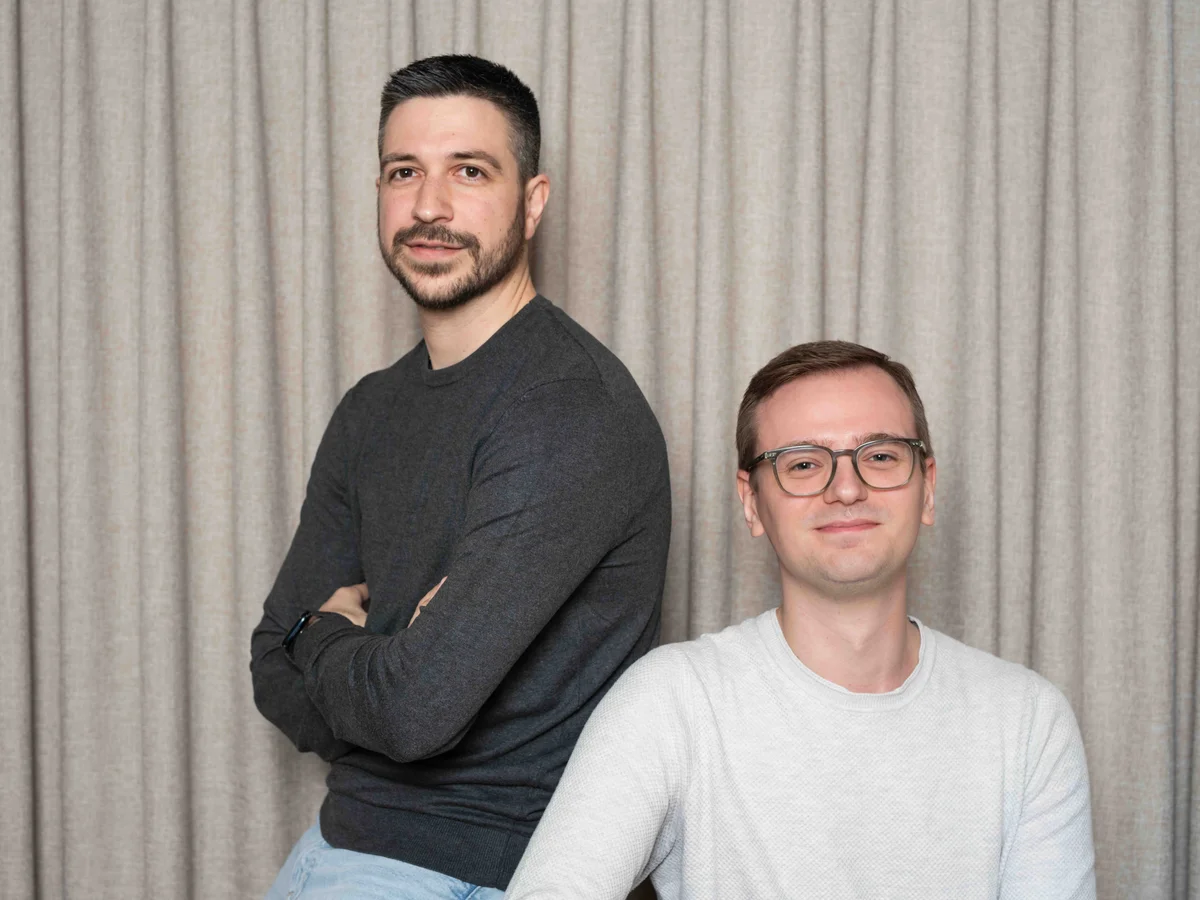
Founded by ETH Zurich PhDs Moritz Scherer and Alfio Di Mauro, Mosaic SoC identified a gap between the demand for edge intelligence and existing hardware limitations. Their chips are designed to simplify integration for Original Design Manufacturers (ODMs), offering a pre-developed perception layer.

This approach reduces complexity for ODMs, who can build upon Mosaic SoC's provided application layer rather than developing perception capabilities from scratch. The ambition is to make spatial intelligence practical for a wider range of devices.

Mosaic SoC has already secured NRE contracts with ODM partners, generating revenue in its first year. The company anticipates a shift towards scalable product revenue from chip sales as its technology reaches the market.

Architectural Edge

The core differentiation of Mosaic SoC's approach lies in its proprietary multi-core architecture. Unlike typical single- or dual-core ARM designs, Mosaic SoC employs eight or more cores engineered for maximum performance per watt, making persistent, always-on perception feasible.

Beyond hardware, Mosaic SoC is developing AI deployment toolchains and compilers. This positions the company to evolve from a chip vendor to a platform supplier for spatial computing applications.

"The next billion smart devices will see and understand the world around them. Mosaic SoC's product is the chip that makes that possible at scale," stated Antonia Albert, Investor at Founderful. "Moritz and Alfio have the architecture, the platform vision, and the team to make it happen."

Mosaic SoC aims to set the standard for edge spatial intelligence, enabling advanced perception in wearables and mobile devices without the power and complexity trade-offs that have previously hindered the category. This innovation could unlock new possibilities for real-time spatial intelligence, pushing the boundaries of what consumer electronics can achieve.

© 2026 StartupHub.ai. All rights reserved. Do not enter, scrape, copy, reproduce, or republish this article in whole or in part. Use as input to AI training, fine-tuning, retrieval-augmented generation, or any machine-learning system is prohibited without written license. Substantially-similar derivative works will be pursued to the fullest extent of applicable copyright, database, and computer-misuse laws. See our terms.