

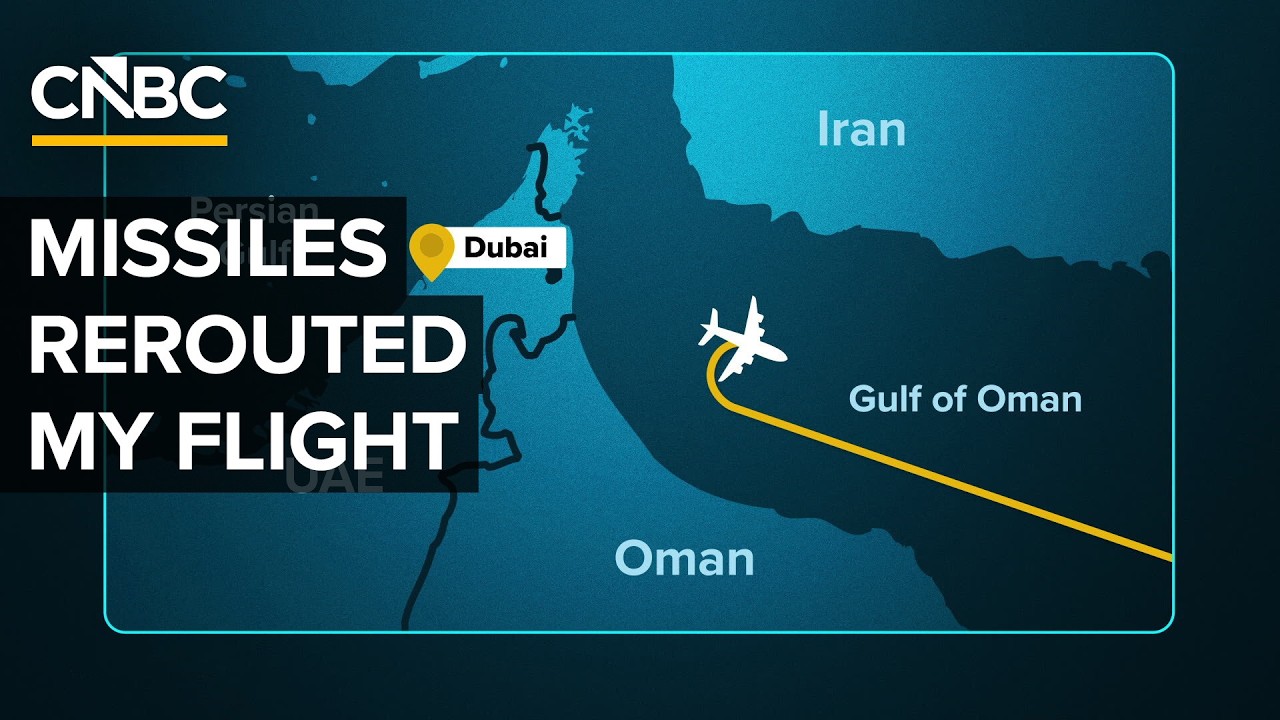
The recent escalation of conflict in the Middle East has had a tangible and immediate impact on global travel, particularly for those operating in or transiting through the region. Emma Graham, CNBC's Middle East Bureau Chief, shared a firsthand account of her experience returning to the UAE on a flight that was forced to divert due to the unfolding geopolitical situation. Her narrative provides a stark reminder of how rapidly global events can disrupt everyday life and business operations.
Who Is Emma Graham?
Emma Graham serves as the Middle East Bureau Chief for CNBC. In this capacity, she is responsible for reporting on the significant economic, political, and business developments across the region. Her role requires her to be on the ground, providing real-time insights and analysis to a global audience, making her perspective particularly valuable when events directly impact regional stability and travel.
The Impact of Geopolitical Tensions on Air Travel
Graham's account details her journey back to Dubai from Goa, India. She had departed from Sharjah Airport on a Wednesday, anticipating a smooth return to her work commitments in the UAE. However, the escalating conflict, which began on Saturday, led to unforeseen consequences for air travel. By Sunday, it became apparent that the situation was more volatile than initially predicted, significantly impacting flight operations.
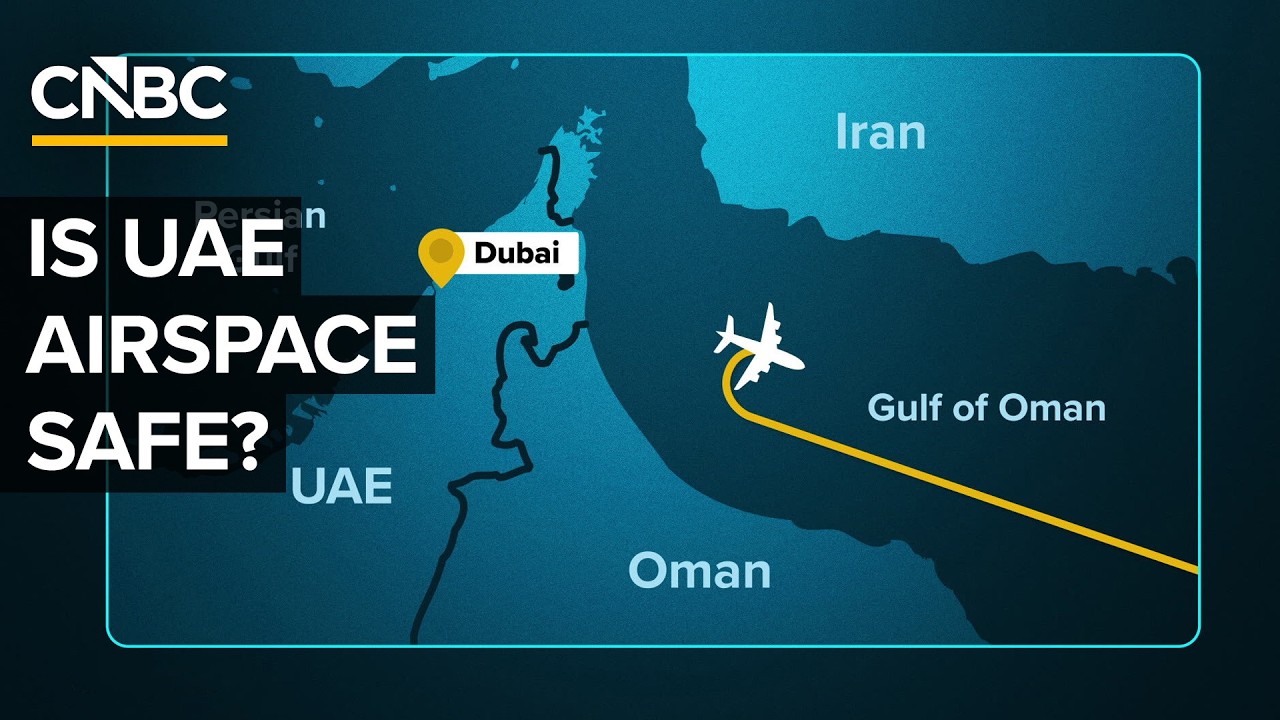
The most critical development was the closure of UAE airspace, a decision that directly affected Graham's flight. She recounts the moment the pilot announced the diversion: "We were supposed to take [the flight] on Sunday afternoon to get back in time for work on Monday. We were in the Arabian Sea, but we weren't in the Persian Gulf... We knew what was going on. We had heard the news about the missiles fired from Iran." This statement highlights the palpable tension and uncertainty faced by passengers and crew alike.
A Diverted Flight and a Race Against Time
The planned flight was forced to turn back approximately 20 minutes before its scheduled landing in Dubai. The decision was made by Emirates, in coordination with UAE air traffic control, to ensure passenger safety. Graham described the experience of being turned around as "nerve-wracking." She noted that the flight was escorted by two UAE fighter jets, a measure that, while reassuring in its demonstration of security, also underscored the gravity of the situation.
Upon returning to Mumbai, the situation had worsened. All flights to and from the UAE had been canceled, including the Emirates flight that had been diverted. Graham observed the departure board at Mumbai airport, noting that almost all flights destined for the Middle East, including cities like Riyadh, Kuwait, and Bahrain, were marked as canceled. The only flight still listed as operating was an early morning flight to Dubai, which they managed to secure.
The Experience of Returning to Dubai
The flight back to Dubai on the subsequent morning was a stark contrast to the usual bustling airport environment. Graham described Dubai International Airport as "eerily quiet." She noted that their flight was the only one arriving at that time, evidenced by the blank arrival screens. This emptiness served as a visual representation of the broader impact of the regional tensions on international travel and business.
Despite the uncertainty and the difficult decisions made by airlines and air traffic control, Graham expressed a sense of relief and a pragmatic acceptance of the circumstances. She stated, "I think the past 72 hours have just been a series of difficult decisions... I don't feel right about being outside. My job is here, my team is here, my life is here... I didn't feel right about being outside, but I haven't heard any explosions as of yet." This sentiment reflects the complex reality faced by many in the region, balancing personal safety with the demands of their professional lives.
Broader Implications for the Region
Graham's personal account serves as a microcosm of the broader challenges posed by geopolitical instability in the Middle East. The incident highlights the interconnectedness of global security and the fragility of international travel infrastructure. The swift response from UAE authorities and Emirates in rerouting and ensuring the safety of the diverted flight demonstrates a commitment to mitigating risks, even in the face of significant threats.
The experience also underscores the importance of real-time information and adaptable travel plans. Passengers and businesses alike must remain vigilant and prepared for potential disruptions. The account from Emma Graham offers a valuable, human perspective on the real-world consequences of international conflict, demonstrating how quickly the operational landscape can shift and the critical role of swift, decisive action in ensuring safety and continuity.


