


Sadek Wahba, Founder, Chairman, and Managing Partner of iSquared Capital, recently shared a discerning perspective on the burgeoning AI data center market during an interview on CNBC's 'Money Movers'. While acknowledging the undeniable momentum, Wahba articulated a strategic investment philosophy that prioritizes long-term stability and fundamental value over what he terms "over-exuberant" megaprojects, offering a crucial counterpoint to the prevailing market frenzy.
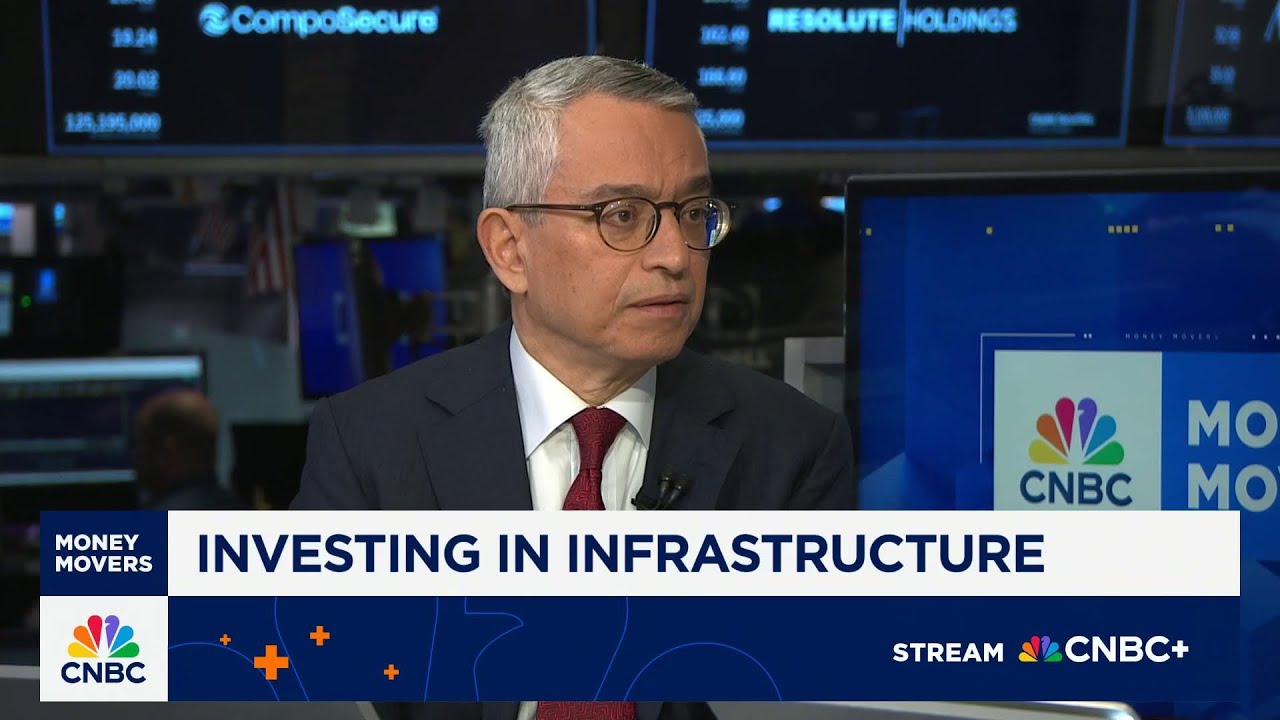
Wahba’s firm, a significant infrastructure investment player with over $50 billion in assets under management, is actively engaged in the AI infrastructure space. He clarifies that iSquared is not "sitting out the AI boom" as some might interpret his cautious stance. Instead, their approach is deeply rooted in understanding the intricate details and long-term viability of each investment. "Are we investing in AI data centers? The answer is absolutely yes," Wahba affirmed, directly addressing the misconception that his firm is shying away from the sector entirely.
This affirmative stance is backed by concrete examples. iSquared is collaborating with Google on a substantial 400-megawatt data center in Illinois, a project designed with 90% carbon capture technology. Crucially, Google has committed to purchasing all the power from this facility under a 20-year contract. This model exemplifies iSquared's strategy: securing long-term, fixed-revenue agreements with established hyperscalers, thereby de-risking the investment. "Rather than do it on a single asset or on a portfolio of AI, I'm doing it directly with Google Energy, where they're buying the power directly from us," Wahba explained. This direct engagement provides a level of contractual certainty that many speculative ventures lack.
Beyond direct data center power, iSquared is also strategically investing in foundational components essential for the broader AI ecosystem. The firm is deploying $800 million into battery manufacturing in Indiana, recognizing the critical role energy storage will play in powering future data centers. These batteries, manufactured domestically for US data centers, are deemed a vital part of the infrastructure buildout. This forward-thinking investment in the supply chain underscores iSquared's holistic and long-term view of infrastructure needs, rather than focusing solely on the end-user data center.
Wahba's central tenet is to meticulously identify areas for long-term investment, avoiding speculative risks. He distinguishes his firm's approach from the "tens, twenty, thirty billions that people want to allocate to data centers without fundamentally understanding the nature of the contracts, the fundamental change in technology that is happening as we speak." This critique highlights a significant concern for infrastructure investors: the rapid evolution of AI technology and its consumption models introduces a high degree of uncertainty regarding long-term profitability and asset obsolescence. Predicting which AI models or platforms will dominate, or how energy consumption patterns will shift, remains a challenge.