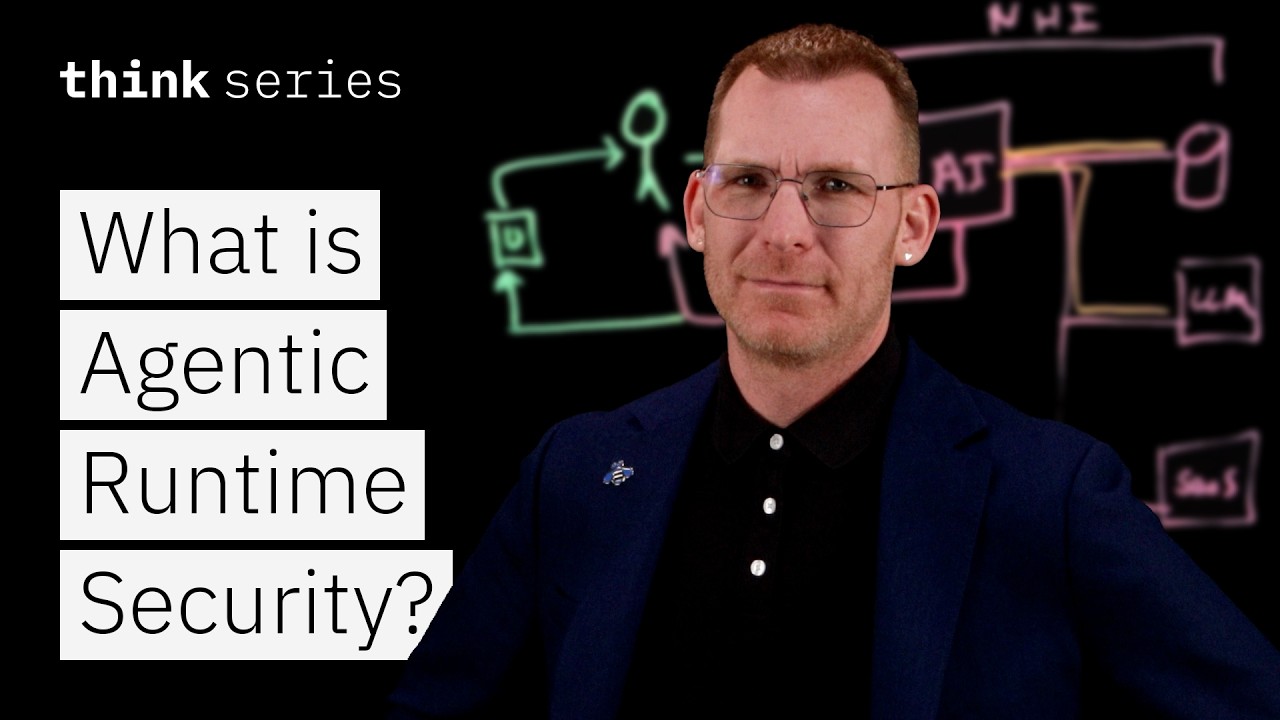


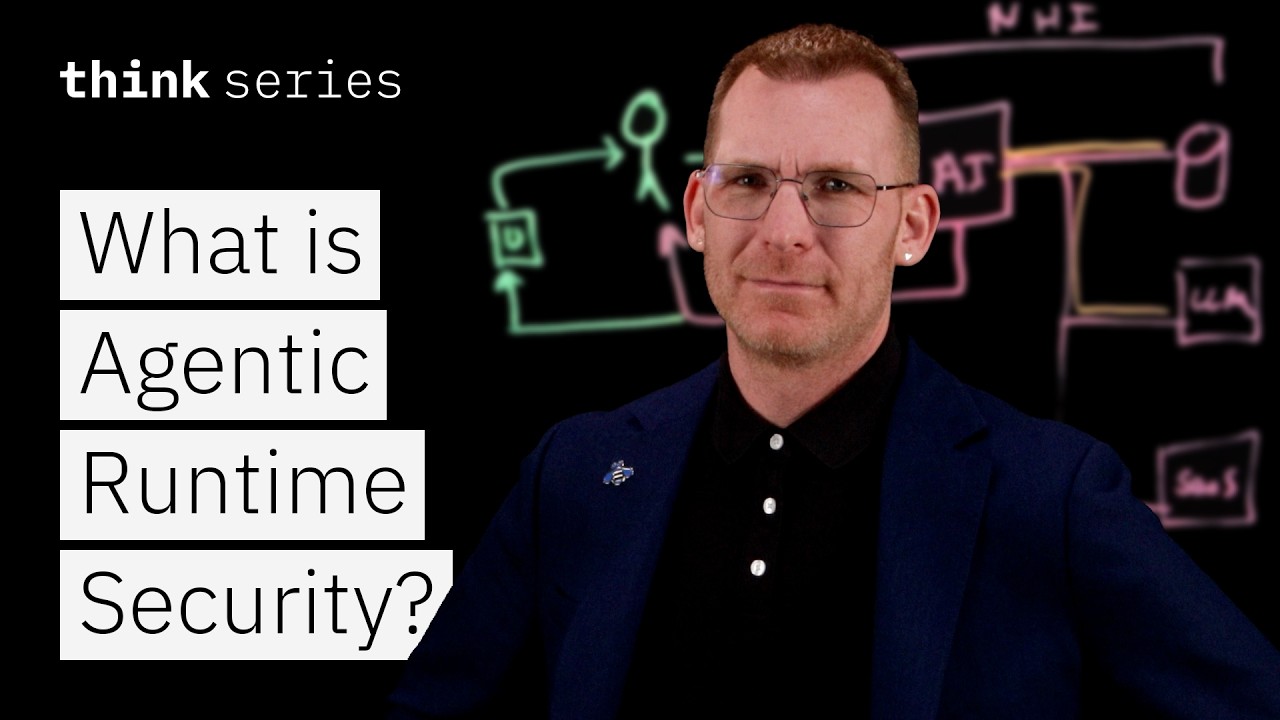
In a recent IBM Think series video, Tyler Lynch, Field CTO at IBM, delves into the critical topic of securing AI agents. As organizations increasingly adopt AI technologies, the challenge of ensuring these agents operate securely and responsibly becomes paramount. Lynch highlights that while AI agents are powerful tools, their utility is often unlocked through external connections to various data sources and services, which in turn creates new security considerations.
Companies working on this
StartupHub profiles of the companies this article names, with funding and a one-liner from our database.

Who Is Tyler Lynch?
Tyler Lynch serves as the Field CTO for IBM, a role that places him at the forefront of technological innovation and client engagement. With extensive experience in enterprise technology solutions, Lynch's expertise lies in understanding and articulating the practical applications and security implications of emerging technologies, particularly within the cloud and AI domains. His position allows him to bridge the gap between complex technical concepts and real-world business needs, making him a key voice in discussions around AI adoption and security.