

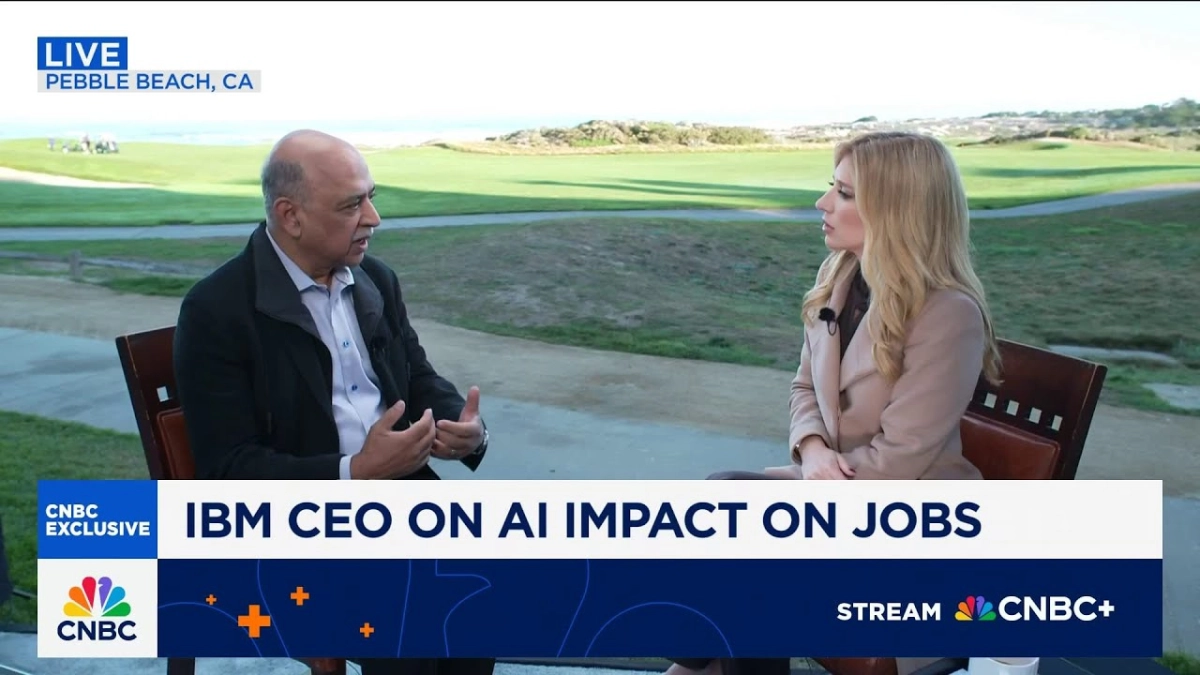
“I expect our net hiring will be up. We are going to be hiring more people over the next 12 months than we actually have done in any of the previous five years.” This bold statement from Arvind Krishna, IBM’s Chair and CEO, immediately cut through prevailing anxieties during his recent CNBC exclusive interview with Sara Eisen at Citi’s tech leadership summit in Pebble Beach, California. Krishna addressed critical topics ranging from the impact of artificial intelligence on employment to whether the surging interest in AI constitutes an economic bubble, offering a measured and strategic perspective for tech leaders and investors.
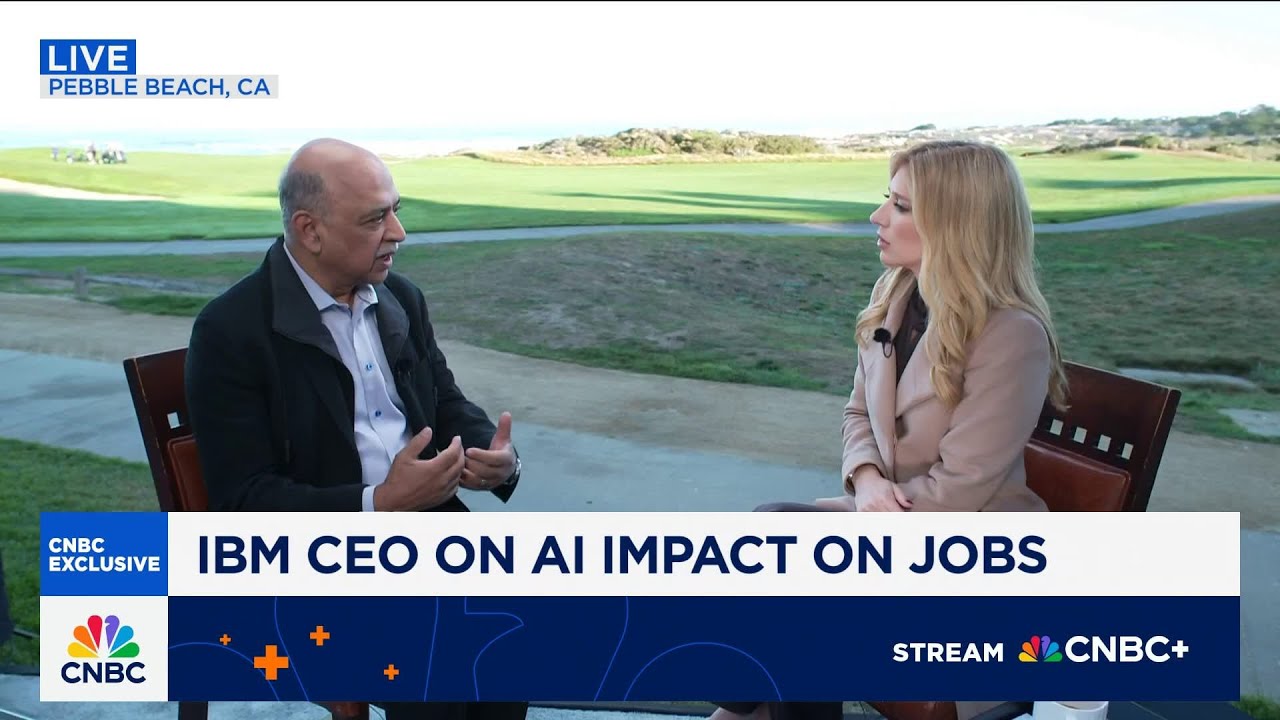
Krishna’s commentary directly confronted recent news of IBM’s workforce reductions. He clarified that while there is a "rebalancing of the workforce" occurring, it is not a net loss but rather a strategic reallocation. Positions are being shed in areas where productivity gains from AI are significant, but these are being offset by increased hiring in high-growth, skill-intensive domains.
This strategic shift prioritizes talent in cutting-edge fields. Krishna emphasized IBM’s focus on bringing in individuals with skills in AI, quantum computing, and cloud technologies. The company is actively seeking college graduates, acknowledging that with a few months of targeted training, these new hires can become as proficient as those with five to ten years of experience, effectively accelerating their impact.
Regarding the broader market sentiment, Krishna dismissed concerns of an "AI bubble" as "overblown." He conceded that significant technological shifts often lead to overinvestment, a natural byproduct of capitalism and innovation. However, he maintained that the fundamental value and transformative potential of AI are undeniable.
IBM’s own experience serves as a testament to this underlying value. Over the past nine quarters, the company has generated a substantial $9.5 billion book of business in AI, signaling robust client adoption and a clear demand for AI solutions. This tangible revenue generation suggests a solid foundation, rather than speculative froth.