

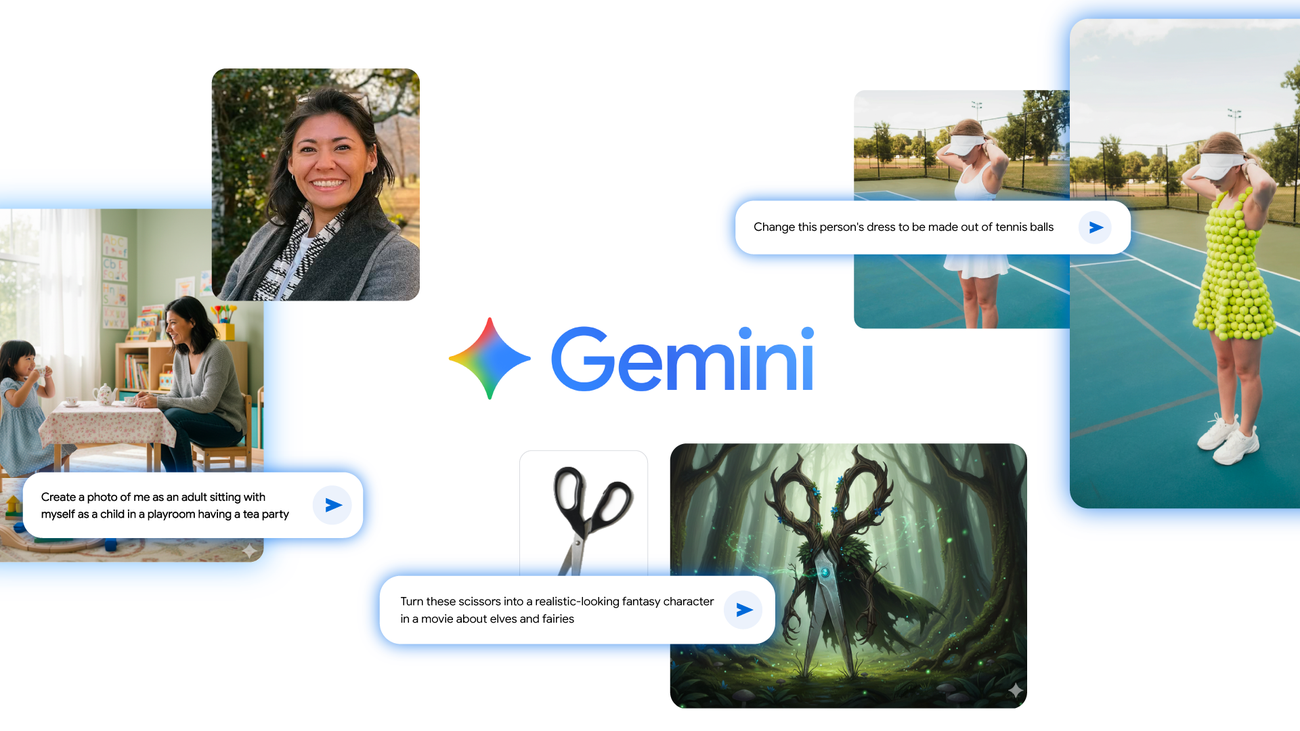
Google is pushing its AI ambitions deeper into consumer workflows with the introduction of Gemini native image editing, a move that fundamentally changes how users will interact with visual content directly within the AI assistant. This isn't just about minor touch-ups; it's about embedding sophisticated, AI-powered photo manipulation into a mainstream application, making advanced creative tools accessible to a far broader audience. The integration signals a clear intent from Google to position Gemini as a comprehensive, multimodal hub for both text and visual creation.
The announcement, highlighted by ten distinct examples of the new capabilities, suggests a range of powerful features. According to the announcement, users can now leverage generative AI to perform tasks like object removal, background changes, style application, or even more complex generative fills without ever leaving the Gemini environment. This seamless integration eliminates the friction of switching between apps, often a barrier for casual users intimidated by dedicated photo editing software. For the everyday user, this means transforming a mundane photo into something more polished or imaginative is now as simple as typing a prompt into their AI assistant.
This strategic pivot by Google isn't just about convenience; it's a significant play in the burgeoning AI landscape. By bringing advanced image editing natively into Gemini, Google is directly challenging the established order of photo editing software, from Adobe's professional suite to a myriad of mobile-first editing apps. It also intensifies competition with other AI-driven platforms that specialize in image generation and manipulation. Google's approach emphasizes ubiquity and ease of access, potentially setting a new standard for in-app AI functionality and democratizing tools once reserved for designers and power users.
The implications for creative workflows are substantial. Imagine a social media manager crafting a post, generating text with Gemini, and then instantly tweaking an accompanying image, removing distractions, changing the mood, or adding elements, all within the same interface. This integrated experience promises to accelerate content creation and lower the barrier to entry for high-quality visual output. It blurs the lines between generative AI and traditional editing, suggesting a future where the two are indistinguishable and always at the user's fingertips.
The Broader AI Ecosystem Impact
Google's move with Gemini native image editing also underscores its commitment to embedding AI across its entire ecosystem. This isn't a standalone feature; it's part of a larger strategy to make Gemini the central intelligence layer for all digital interactions. By making its AI assistant capable of not just understanding and generating text, but also manipulating and creating visual content, Google is building a more robust and indispensable tool. This multimodal capability is key to its long-term vision, ensuring Gemini remains competitive against rivals like OpenAI's ChatGPT and Microsoft's Copilot, which are also rapidly expanding their visual AI capabilities.