


The era of complex, code-heavy AI development is rapidly giving way to an intuitive, natural language-driven approach, dramatically democratizing creation. At the forefront of this shift is Google AI Studio, a platform designed to accelerate the journey from concept to fully functional AI application in minutes. This new "vibe coding" experience, showcased by Logan Kilpatrick, Product Lead at Google DeepMind, on "The Agent Factory" podcast, highlights a suite of powerful tools that promise to reshape how developers, founders, and tech professionals engage with artificial intelligence.
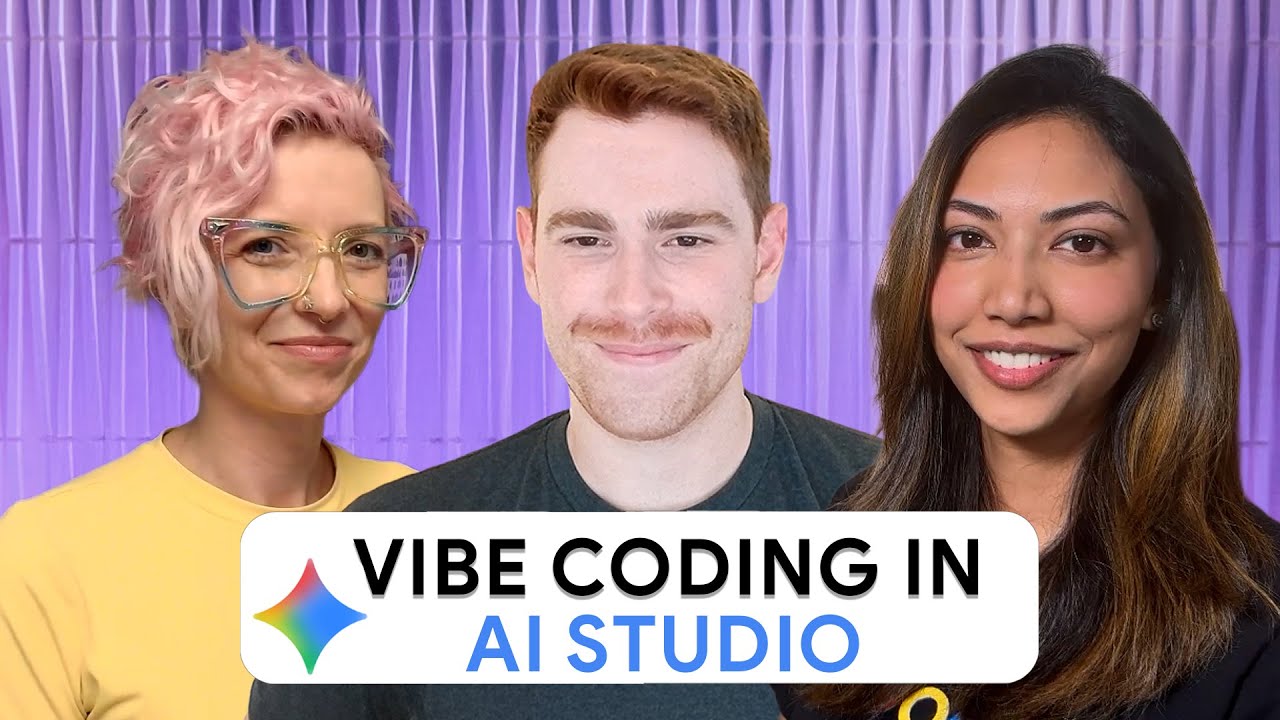
Logan Kilpatrick, a key figure in developer relations, having previously contributed significantly to OpenAI's growth, now focuses on shaping the future of the Gemini API at Google. Alongside hosts Mollie Pettit and Smitha Kolan, Kilpatrick provided a hands-on tour of Google AI Studio, demonstrating how its latest features empower developers to build faster and better with AI. The discussion centered on practical applications and the underlying technological advancements making this accessibility possible.
Google AI Studio's "vibe coding" philosophy is built on the premise of reducing friction and accelerating development cycles. Kilpatrick aptly captured the sentiment, tweeting, "I just want to vibe code AI apps," a desire rooted in the platform's ability to turn a simple prompt into a tangible application. The platform offers a gallery of pre-built examples and an "I'm feeling lucky" button to kickstart projects, effectively tackling the blank-slate problem many developers face. This approach significantly lowers the barrier to entry, enabling a broader range of innovators to build AI-powered solutions.
One of the platform's standout demonstrations was the creation of a "Virtual Food Photographer" app. Kilpatrick simply prompted the AI to build an application that could generate realistic, high-end food photography from a text-based menu, complete with style toggles like "Rustic/Dark" or "Bright/Modern." The system, powered by Google's Nano Banana (a Gemini 2.5 Flash image model) and Imagen, rapidly generated a functional web app. Further iterations allowed for image editing, such as adding butter to popcorn, showcasing the blend of generative and editing AI capabilities within a streamlined workflow. This rapid prototyping, often achieved in less than 60 seconds, underscores a core insight: "The idea here is like accelerate how quickly folks can build specifically AI-powered apps."
Another compelling feature highlighted was "grounding with Google Maps," enabling AI agents to interact with real-time geospatial data without complex API setups. Kilpatrick demonstrated a "Local Tour Guide" app where he asked for cool Italian restaurants in Chicago he hadn't visited. The AI responded with detailed information about specific establishments, including reviews and an embeddable map component. This seamless integration of real-world data directly into the AI's capabilities represents a significant step towards more intelligent and context-aware agents. "The Maps API is actually like super widely used by developers," Kilpatrick noted, underscoring the broad utility of this direct integration.